

China Supplier Freight Forwarding for Amazon Sellers: 2026 Guide
Navigating the complexities of international logistics is a primary challenge for modern e-commerce entrepreneurs. Finding reliable Logistics From China ensures your inventory arrives at Amazon fulfillment centers without unnecessary delays or hidden costs. This guide explores how china supplier freight forwarding for amazon sellers functions in the current 2026 market landscape to maximize your profit margins.

What is China Supplier Freight Forwarding for Amazon Sellers?
Freight forwarding acts as the essential bridge between your manufacturing partners in Asia and your target customers in the West. Specifically, china supplier freight forwarding for amazon sellers involves managing the pickup, consolidation, and international transport of goods destined for FBA warehouses.
Moreover, these specialized agents handle the intricate requirements set by Amazon regarding palletization, labeling, and delivery appointments. Consequently, working with an expert ensures that your products are not rejected upon arrival at the fulfillment center.
Furthermore, the logistics landscape has evolved significantly by early 2026, with digital integration becoming the standard for tracking and documentation. Therefore, sellers must choose partners who offer real-time visibility into their supply chain operations.
Indeed, a professional forwarder manages everything from the moment the goods leave the factory floor until they are checked into the Amazon inventory system.
How Does Sea Freight Compare to Other Shipping Options?
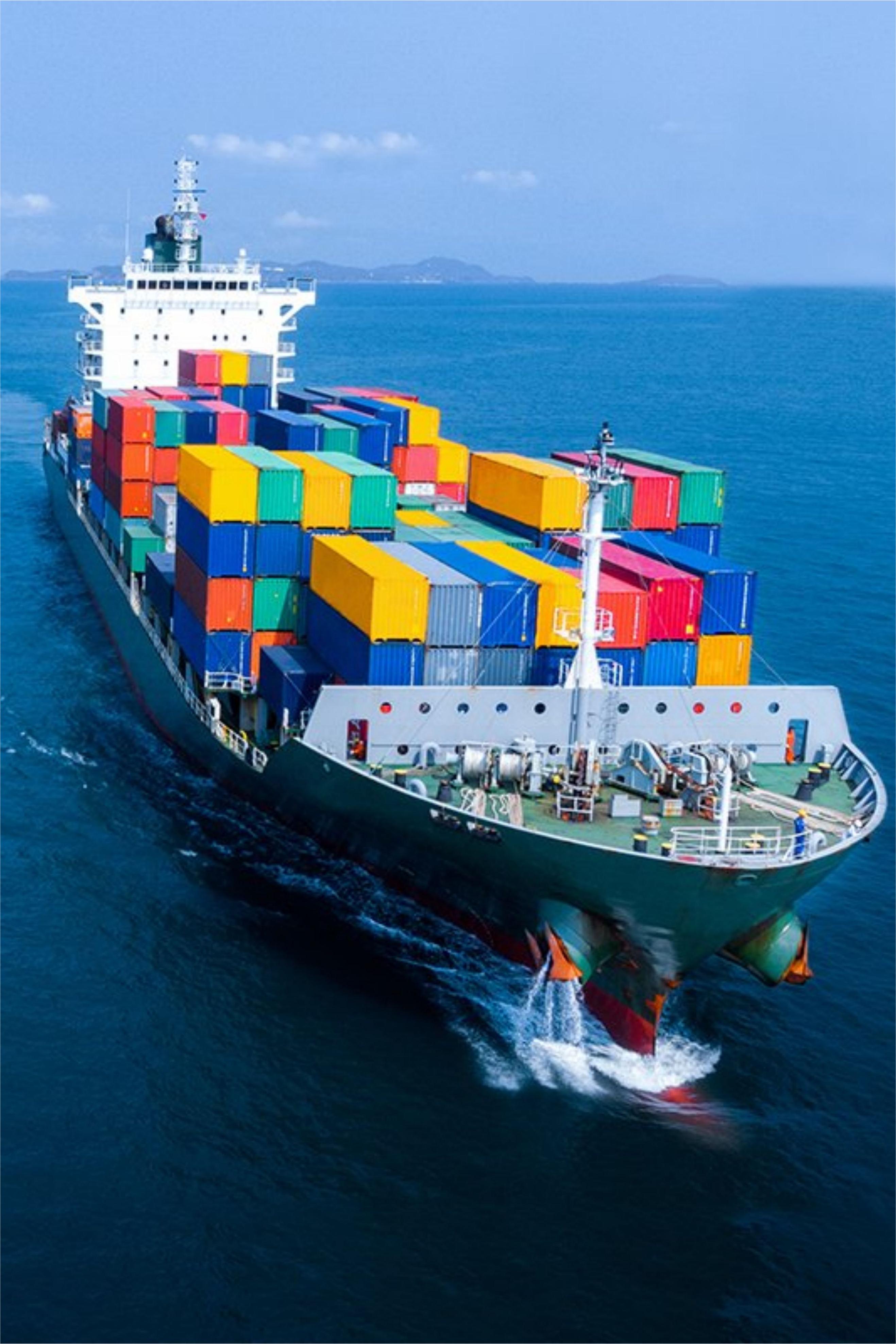
Choosing the right transport mode is the most critical decision affecting your landed cost and inventory turnover. While sea freight remains the most economical choice for high-volume shipments, it requires significant lead time planning.
On the other hand, air freight provides the speed necessary for product launches or inventory stock-outs, albeit at a much higher price point. Rail freight has emerged as a balanced alternative for European sellers, offering faster transit than ships and lower costs than planes.
In contrast, express services are ideal for small parcels or urgent samples but are rarely cost-effective for bulk inventory. To summarize, each method serves a specific strategic purpose within a diversified supply chain.
| Shipping Method | Cost Range | Transit Time | Best For |
|---|---|---|---|
| Sea Freight (FCL) | $1,500 – $4,500 | 25 – 45 Days | Bulk inventory and heavy goods |
| Air Freight | $5 – $12 per kg | 5 – 9 Days | High-value or urgent restocks |
| Rail Freight | $1.5 – $3 per kg | 18 – 24 Days | Mid-weight shipments to Europe |
| Express Service | $8 – $15 per kg | 3 – 5 Days | Samples and small test batches |
Maximizing Efficiency with Amazon FBA Logistics
Efficiently managing Amazon FBA logistics requires a deep understanding of the platform strict prep requirements. Many forwarders in China now offer value-added services such as kitting, poly-bagging, and FNSKU labeling at the source.
Additionally, consolidating shipments from multiple suppliers into a single container can drastically reduce your per-unit shipping costs. Consequently, this strategy allows smaller sellers to leverage the lower rates typically reserved for larger enterprises.
Meanwhile, the 2026 market has seen a rise in specialized FBA prep centers located within Chinese free trade zones. For instance, these facilities ensure that every box meets Amazon’s weight and dimension limits before it ever reaches the port.
Without a doubt, preventing non-compliance at the origin is far cheaper than paying Amazon’s hefty unplanned service fees or dealing with returned shipments.
The Critical Role of Customs Brokerage in 2026
Navigating international trade regulations is increasingly complex due to shifting tariffs and environmental compliance laws. Utilizing a professional customs brokerage service is no longer optional for serious Amazon sellers.
Accordingly, your forwarder must ensure that all HTS codes are accurately assigned to avoid overpaying duties or triggering audits. For example, misclassification can lead to shipment seizures or permanent bans from importing into certain regions.
Furthermore, as of Q1 2026, new digital customs declarations are required in most major ports to streamline the flow of cargo. Therefore, having a tech-savvy broker ensures your paperwork is filed correctly and on time to prevent port storage fees.
Indeed, smooth clearance is the difference between a successful Q4 sales season and a logistical nightmare that drains your capital.
Case Study 1: Sea Freight from Shenzhen to Los Angeles
Route: Shenzhen, China to Los Angeles, USA. Cargo: 500 sets of ergonomic office chairs, 18 CBM, 4,200 kg. Container: LCL (Less than Container Load). Shipping Details: Major carrier via direct trans-Pacific route. Port of Loading: Shenzhen. Port of Discharge: Los Angeles.
Cost Breakdown: Ocean Freight: $2,150. Origin Charges: $450. Destination Charges: $680. Customs and Duties: $1,100. Total Landed Cost: $4,380. Timeline: Booking to Loading: 4 days. Sea Transit: 16 days. Customs Clearance: 3 days. Total Door-to-Door: 28 days.
Key Insight: By choosing LCL instead of air freight, the seller saved over $15,000 in shipping costs, allowing for a more competitive retail price point on Amazon. Market data suggests this remains the most popular route for US-based sellers in 2026.
Case Study 2: Air Freight from Guangzhou to London
Route: Guangzhou, China to London, UK. Cargo: 1,200 units of premium electronics, 2.5 CBM, 600 kg. Shipping Method: air freight. Port of Loading: Guangzhou Baiyun International. Port of Discharge: London Heathrow.
Cost Breakdown: Air Freight: $4,800. Origin Charges: $200. Destination Charges: $350. Customs and Duties: $950. Total Landed Cost: $6,300. Timeline: Booking to Loading: 2 days. Air Transit: 2 days. Customs Clearance: 1 day. Total Door-to-Door: 7 days.
Key Insight: This shipment was a restock for a top-selling item that went out of stock unexpectedly. Although the cost per unit was higher, the speed prevented the loss of the seller’s Amazon Best Seller Rank (BSR).
Which Option Should You Choose? A Decision Framework
Determining the best shipping strategy depends on your specific business goals, budget, and the nature of your products. If your priority is minimizing costs, sea freight is the undisputed winner for shipments larger than 2 CBM.
However, if you are launching a new product and need to test the market quickly, air freight or express shipping is the better choice. Sellers should also consider Door to Door services to simplify the entire process from factory to warehouse.
Additionally, consider the volume thresholds: for shipments under 100kg, express is usually best; between 100kg and 500kg, air freight is competitive; and over 500kg, sea freight becomes the standard.
Moreover, hybrid solutions like sea-air combinations can offer a middle ground for transit time and cost, especially during peak seasons like the lead-up to Prime Day.
| Priority | Recommended Method | Average Cost | Transit Time |
|---|---|---|---|
| Strict Budget | Sea Freight (LCL/FCL) | Low | 30-45 Days |
| Maximum Speed | Air Express | High | 3-7 Days |
| Balanced Value | Rail Freight (EU) | Medium | 18-25 Days |
| Small Samples | Courier/Express | Variable | 2-5 Days |

Strategic Cost-Saving Tips for 2026
Reducing your logistics expenses requires proactive planning and a deep understanding of freight market trends. For instance, booking your shipments at least 3-4 weeks in advance can help you secure lower rates before peak season price hikes.
Furthermore, optimizing your packaging to reduce wasted space within boxes can significantly lower your dimensional weight charges. Consequently, many sellers are now redesigning their retail packaging to be more ‘shipping-friendly’ for the FBA environment.
Another effective strategy is to negotiate Incoterms carefully with your supplier. While EXW might seem cheaper initially, FOB (Free On Board) often gives you more control over the international leg of the journey and reduces hidden local fees in China.
Finally, always request a comprehensive quote that includes all potential surcharges like fuel adjustments or peak season fees to avoid budget overruns. Note: Freight rates are subject to change based on fuel costs, carrier capacity, and seasonal demand. Contact us for a current quote tailored to your specific shipment.
Mastering Your Amazon Logistics Strategy
Successfully managing china supplier freight forwarding for amazon sellers is a cornerstone of a profitable e-commerce business. By understanding the trade-offs between speed and cost, you can make informed decisions that protect your inventory health and customer satisfaction.
Moreover, as the global trade environment continues to evolve in 2026, staying adaptable and working with experienced logistics partners will remain your greatest competitive advantage. Start optimizing your shipping routes today to ensure a prosperous year ahead.

Start Your Shipment
Ready to streamline your Amazon supply chain and reduce shipping costs? Our expert team specializes in china supplier freight forwarding for amazon sellers to help you scale faster in 2026. Contact us today for a custom quote and professional logistics consultation. Send Inquiry: msc-logistics-group.com
Request Quote