

Ocean Freight from China for Business: 2026 Strategic Shipping Guide
Navigating ocean freight from china for business requires a sophisticated understanding of global shipping dynamics and carrier networks. As we move through 2026, companies must prioritize cost-efficiency and transit reliability to remain competitive in an increasingly volatile global market. This comprehensive guide provides the essential intelligence needed to manage high-volume imports while minimizing overhead expenses.

The Strategic Importance of Ocean Freight from China for Business in 2026
Modern enterprises rely on sea transport to move the vast majority of global trade due to its unmatched capacity and cost-effectiveness. Consequently, choosing the right maritime strategy can significantly impact your bottom line and overall operational agility. Organizations that leverage standardized container shipping often see a substantial reduction in per-unit costs compared to other transport modes.
Market intelligence for Q1 2026 suggests that while fuel prices remain fluctuating, the expansion of green shipping corridors has introduced new variables into the pricing equation. Furthermore, the integration of digital tracking technologies allows businesses to monitor their cargo handling in real-time. This visibility is crucial for maintaining a lean inventory and meeting tight delivery schedules.
Additionally, the sheer volume of goods moving from Chinese hubs like Shanghai and Ningbo ensures that businesses have access to frequent departures. Nevertheless, the complexity of managing these shipments necessitates a partnership with experienced logistics providers who understand the nuances of the China-to-global routes. By optimizing container utilization, companies can further enhance their environmental sustainability profiles while cutting waste.
How Does Ocean Freight Compare to Other Shipping Options?
Choosing between different transport methods depends heavily on your specific budget, timeline, and cargo requirements. While sea freight is the most economical choice for bulky goods, it requires longer lead times than air or rail alternatives. Therefore, businesses must plan their procurement cycles several months in advance to avoid stockouts.
In contrast, air transport offers rapid delivery but at a significant price premium that may erode profit margins for low-value items. Meanwhile, rail options provide a middle ground for Eurasian routes, though they are not applicable for destinations like Australia or North America. Understanding these trade-offs is essential for any logistics manager seeking to balance speed with expenditure.
Moreover, hybrid solutions such as sea-air combinations are gaining popularity in 2026 as a way to bypass port congestion while keeping costs manageable. For example, a shipment might travel by sea to a regional hub and then be flown to its final destination to save ten to fifteen days of transit time. This flexibility allows businesses to respond quickly to sudden shifts in consumer demand.
| Shipping Method | Cost Range | Transit Time | Best For |
|---|---|---|---|
| Ocean Freight | $1,500 – $6,000 | 14 – 45 Days | Bulk goods and high volume |
| Air Freight | $5,000 – $25,000 | 3 – 7 Days | Urgent or high-value items |
| Rail Freight | $2,500 – $5,000 | 15 – 22 Days | Trans-continental Europe routes |
| Express Service | $200 – $2,000 | 2 – 5 Days | Small parcels and samples |
Deciphering FCL and LCL Shipping Strategies
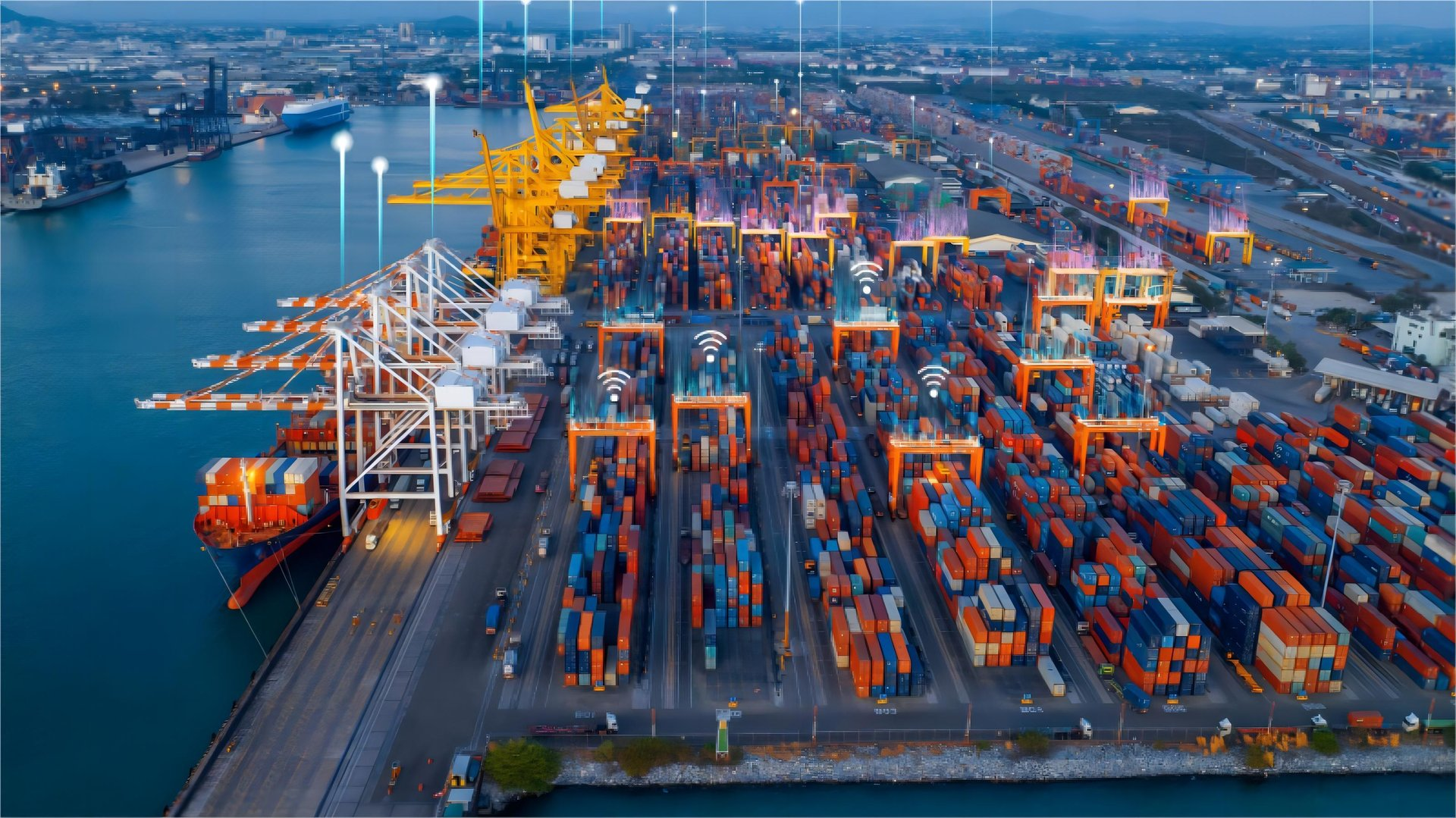
Full Container Load (FCL) shipping is typically the preferred method for businesses moving enough volume to fill a twenty-foot or forty-foot container. Indeed, FCL offers better security and faster transit because the container is sealed at the origin and does not need to be opened until it reaches the destination. This exclusivity reduces the risk of damage during cargo handling at various transshipment points.
On the other hand, Less than Container Load (LCL) allows smaller businesses to share container space with other shippers. Although LCL is more cost-effective for shipments under fifteen cubic meters, it often involves longer transit times due to the consolidation and deconsolidation processes. Businesses must weigh the lower upfront cost against the potential for slight delays in the delivery schedule.
Consequently, the decision between FCL and LCL should be based on a careful analysis of your inventory needs and shipping frequency. If your volume fluctuates, a flexible approach that utilizes both methods depending on the season may be the most efficient strategy. For instance, using LCL for mid-month top-offs and FCL for major quarterly restocks is a common practice among successful importers.
Volume Thresholds for Switching Methods
Industry benchmarks suggest that once a shipment exceeds 13 to 15 cubic meters, the cost of a 20GP container often becomes comparable to LCL rates. At this point, the added security and speed of FCL make it the superior choice. Conversely, for very small shipments under 2 cubic meters, air freight might actually be more competitive when factoring in port fees.
Navigating the Complexities of International Customs Brokerage
Successful importation depends heavily on seamless customs brokerage to avoid costly delays and penalties at the port of entry. As of 2026, customs authorities have implemented stricter digital filing requirements and environmental compliance checks. Therefore, ensuring that all documentation, including the Bill of Lading and Commercial Invoice, is perfectly accurate is more critical than ever.
Moreover, businesses must stay informed about changing tariff structures and trade agreements that could impact their total landed cost. Professional brokers help identify the correct Harmonized System (HS) codes, which determine the duty rates applicable to your specific products. Indeed, a single classification error can lead to thousands of dollars in unnecessary expenses or legal complications.
Additionally, many businesses are now opting for comprehensive insurance coverage to protect against unforeseen events during transit. Given the complexity of modern supply chains, having a robust risk management plan is no longer optional. Consequently, working with a provider that offers integrated brokerage and insurance services can streamline the entire import process.
Optimizing Your Supply Chain with Door to Door Logistics
Many modern enterprises are moving away from port-to-port shipping in favor of door to door solutions. This model simplifies the logistics chain by providing a single point of contact from the manufacturer’s warehouse in China to the final delivery address. As a result, business owners can focus on sales and marketing rather than managing multiple transport providers.
Furthermore, door-to-door services often include final-mile delivery, which is frequently the most complex part of the journey. Logistics providers use their local networks to ensure that goods are moved efficiently from the container terminal to the end-user. This integrated approach reduces the likelihood of communication breakdowns and ensures a more predictable delivery schedule.
Indeed, for businesses selling on platforms like Amazon, specialized Amazon FBA services are essential. These services ensure that cargo meets the strict labeling and packaging requirements of fulfillment centers. By automating this part of the supply chain, businesses can scale their operations more rapidly without increasing their internal headcount.
Major Shipping Routes and Transit Time Benchmarks for 2026
Transit times from China vary significantly depending on the destination region and the specific port of loading used. For example, shipping to the US West Coast is considerably faster than reaching the US East Coast or Northern Europe. Understanding these geographic realities is vital for setting realistic expectations with your customers and managing your cash flow.
According to industry benchmarks for early 2026, routes to Europe typically take between 30 and 40 days, depending on whether the vessel passes through the Suez Canal or around the Cape of Good Hope. Meanwhile, shipments to Australia remain relatively quick, often arriving within 12 to 18 days from major southern Chinese ports like Shenzhen.
Consequently, businesses should diversify their port selections to mitigate the risk of local labor disputes or terminal congestion. While Shanghai remains the world’s busiest container port, smaller alternatives like Ningbo-Zhoushan or Qingdao can sometimes offer faster processing times. Monitoring these logistics trends allows for more agile decision-making when global disruptions occur.
| Route | 20GP Container | 40HQ Container | Transit Time |
|---|---|---|---|
| China to USA West | $1,500 – $2,200 | $2,800 – $3,800 | 14 – 18 Days |
| China to USA East | $2,500 – $3,500 | $4,500 – $6,000 | 30 – 35 Days |
| China to Europe | $1,800 – $2,500 | $3,000 – $4,200 | 30 – 40 Days |
| China to Australia | $800 – $1,200 | $1,400 – $2,000 | 12 – 18 Days |
Case Studies: Real-World Logistics Success Stories
Reviewing actual shipping scenarios provides valuable insights into the costs and timelines associated with ocean freight from China for business. These examples reflect typical market conditions as of early 2026 and highlight the importance of proper planning. Each case demonstrates how different variables like cargo size and route selection influence the final outcome.
Case Study 1: Sustainable Energy Components. Route: Ningbo, China to Rotterdam, Netherlands. Cargo: Solar panels, 68 CBM, 14,000 kg. Container: 1x40HQ. Shipping Details: Direct service via major carrier. Cost Breakdown: Ocean Freight $3,400; Origin Charges $450; Destination Charges $600; Total Landed Cost $4,450. Timeline: Booking to Loading 5 days; Sea Transit 34 days; Customs Clearance 3 days; Total Door-to-Door 42 days. Key Insight: Early booking during the Q1 slack season saved the client 15% on freight rates.
Case Study 2: Consumer Electronics Expansion. Route: Shenzhen, China to Los Angeles, USA. Cargo: Smart home devices, 8 CBM, 1,200 kg. Container: LCL. Shipping Details: Transshipment via Busan. Cost Breakdown: Ocean Freight $720; Origin Charges $200; Destination Charges $350; Total Landed Cost $1,270. Timeline: Booking to Loading 4 days; Sea Transit 16 days; Customs Clearance 2 days; Total Door-to-Door 22 days. Key Insight: Utilizing LCL allowed the business to maintain weekly stock updates without the expense of a full container.
Case Study 3: Retail Furniture Distribution. Route: Shanghai, China to Sydney, Australia. Cargo: Office chairs, 28 CBM, 5,500 kg. Container: 1x20GP. Shipping Details: Direct route. Cost Breakdown: Ocean Freight $1,100; Origin Charges $300; Destination Charges $400; Total Landed Cost $1,800. Timeline: Booking to Loading 3 days; Sea Transit 14 days; Customs Clearance 2 days; Total Door-to-Door 19 days. Key Insight: Choosing a direct route minimized handling risks for fragile furniture components.
Which Option Should You Choose? Decision Framework
Determining the best shipping method requires a systematic evaluation of your business priorities. If your primary goal is budget optimization, ocean freight remains the undisputed leader for large volumes. However, if you are launching a new product with high market uncertainty, smaller air shipments may be more appropriate to test the waters.
For shipments where speed is a secondary concern, FCL ocean freight provides the best balance of cost and security. On the other hand, if you lack the volume for a full container, LCL is the logical choice, provided you can accommodate a slightly longer delivery window. Always consider the total landed cost, including duties and local trucking, rather than just the port-to-port rate.
Note: Freight rates are subject to change based on fuel costs, carrier capacity, and seasonal demand. Contact us for a current quote tailored to your specific shipment.
Mastering Global Trade with Ocean Freight
In summary, ocean freight from china for business continues to be the backbone of international commerce in 2026. By understanding the differences between FCL and LCL, navigating customs effectively, and choosing the right routes, businesses can achieve significant cost savings. Moreover, the integration of modern logistics technology and door-to-door services has made global shipping more accessible than ever.
As market conditions evolve, staying informed about logistics trends and maintainng flexible shipping strategies will be key to long-term success. Whether you are a small startup or a large corporation, the right maritime strategy is essential for scaling your operations and reaching new markets efficiently.
Need a tailored shipping solution?
Optimizing your ocean freight from china for business requires expert guidance and reliable execution. Contact our team today to receive a customized quote and streamline your international supply chain. Visit our inquiry page to get started with a professional logistics partner.