


China Freight Forwarding Service Factory Pickup: 2026 Logistics Guide
Managing international trade requires a reliable partner to handle the complexities of inland logistics. By utilizing a professional Logistics From China provider, you can streamline the entire movement of goods from the production line to your warehouse. This comprehensive approach ensures that your cargo is handled with care from the very first mile, reducing the risk of delays and unexpected costs in your 2026 supply chain operations.

What is a China Freight Forwarding Service Factory Pickup?
A factory pickup service involves a freight forwarder sending a truck directly to the manufacturer’s location to collect goods. Consequently, the buyer gains full control over the shipment timing rather than relying on the supplier’s domestic transport schedule.

This service is particularly vital for shipments handled under Ex-Works (EXW) terms. In this scenario, the forwarder manages the entire process, including inland haulage, export documentation, and port delivery.
Moreover, choosing a dedicated china freight forwarding service factory pickup allows for better coordination of multiple orders. You can consolidate goods from different suppliers into a single container to save on international shipping costs.
Furthermore, this method minimizes the risk of damage during domestic transit. Professional forwarders use specialized equipment and verified drivers to ensure the safety of your cargo from the moment it leaves the factory floor.
Why Choose Factory Pickup Over Standard FOB Terms?
Free on Board (FOB) terms often seem simpler because the supplier handles the transport to the port. However, this often hides domestic transport markups that the supplier adds to your invoice.
By taking control of the pickup, you eliminate these hidden fees and gain transparency. You can negotiate better rates directly with your logistics provider based on current 2026 market conditions.
Additionally, factory collection provides better visibility into the production status. If the forwarder arrives and the goods are not ready, you receive immediate notification rather than waiting for a port arrival delay.
Finally, this strategy simplifies the communication chain. You deal with one logistics partner for the entire journey instead of coordinating between a supplier’s local trucker and an international carrier.
How Does Factory Pickup Compare to Other Shipping Options?
Selecting the right logistics strategy depends on your budget, timeline, and cargo volume. While direct factory pickup offers the most control, it is essential to compare it with other standard methods.
For example, door-to-door services often include factory pickup as the initial step of a comprehensive package. In contrast, port-to-port shipping requires you to handle the first and last miles separately.
As of early 2026, many businesses are moving toward integrated models to avoid the volatility of local trucking markets. Managing the pickup through your forwarder provides a buffer against seasonal driver shortages in industrial hubs like Dongguan or Ningbo.
| Shipping Method | Cost Range | Transit Time | Best For | Limitations |
|---|---|---|---|---|
| Direct Factory Pickup | Moderate | 1-3 days (Inland) | EXW Terms, High Value | Requires local coordination |
| Supplier Delivery (FOB) | Varies | 2-5 days (Inland) | Small suppliers | Hidden markups by factory |
| Consolidated Pickup | Low | 3-7 days (Inland) | Multiple small orders | Longer pickup windows |
| Express Collection | High | Same day | Urgent samples | Strict weight limits |
Choosing the Right Shipping Method for Your Cargo
Once the goods are collected from the factory, you must decide on the main transit mode. Consider sea freight for large shipments that are not time-sensitive.
Ocean transport remains the most economical choice for bulk commodities and large consumer goods in 2026. However, if you are moving high-value electronics or seasonal fashion, air freight provides the speed necessary to maintain inventory levels.
Rail freight has also become a robust alternative for shipments heading to Central Asia and Europe. It offers a middle ground between the speed of air and the low cost of sea transport.
Without a doubt, the choice of shipping method affects the total landed cost significantly. You should calculate the trade-offs between speed and expense based on your specific business requirements.
The Role of Customs Brokerage in Factory Pickups
Exporting from China involves complex documentation that must be perfectly aligned with the physical cargo. A professional customs brokerage service ensures that your factory-picked goods clear the Chinese border without delay.
The forwarder will typically review the commercial invoice, packing list, and export license provided by the factory. If the factory lacks an export license, the forwarder can provide solutions to facilitate the legal export of the goods.
In addition, having a broker handle the paperwork at the point of pickup prevents discrepancies at the port. They verify that the Harmonized System (HS) codes are accurate to avoid fines or seizures by customs authorities.
Consequently, integrating customs services into your pickup plan creates a seamless flow for your international trade operations.
Which Option Should You Choose? A Decision Framework
Budget priority: If your main goal is cost reduction, choose sea freight with a consolidated factory pickup. This minimizes the per-unit shipping cost even if the transit time is longer.
Speed priority: For urgent restocking, utilize express air freight with immediate factory collection. This ensures the goods are in the air within 24-48 hours of production completion.
Volume thresholds: For shipments under 15 CBM, Less than Container Load (LCL) is usually more efficient. For larger volumes, a Full Container Load (FCL) provides better security and lower risk of damage.
Cargo type considerations: Fragile or hazardous materials require specialized handling during the pickup phase. Ensure your forwarder has the appropriate certifications for these specific goods.
| Route | 20GP Container | 40HQ Container | Average Transit |
|---|---|---|---|
| China to USA West | $1,600 – $2,300 | $2,900 – $3,900 | 15-20 Days |
| China to Europe | $1,900 – $2,600 | $3,100 – $4,300 | 30-35 Days |
| China to Australia | $850 – $1,300 | $1,500 – $2,100 | 14-20 Days |
| China to UK | $2,100 – $2,900 | $3,600 – $4,600 | 32-40 Days |
Real Case Studies: Successful Factory Pickup Operations
Case Study 1: Electronics from Shenzhen to Los Angeles. A tech company required a china freight forwarding service factory pickup for 500 units of high-end monitors. By using North America shipping expertise, the cargo was picked up on Monday and cleared US customs by the following Friday via premium air freight.
The total landed cost for this shipment was $8,500, including a $400 inland haulage fee. This approach saved the client three days compared to the supplier’s suggested delivery schedule.
Case Study 2: Furniture from Ningbo to Rotterdam. A retailer used a door to door service for three 40HQ containers. The forwarder coordinated the pickup from two different factories in Zhejiang province.
By consolidating the containers at the Ningbo port, the client saved $1,200 in port fees. The sea transit took 32 days, and the goods arrived in perfect condition due to the forwarder’s strict loading supervision.
Note: Freight rates are subject to change based on fuel costs, carrier capacity, and seasonal demand. Contact us for a current quote tailored to your specific shipment.
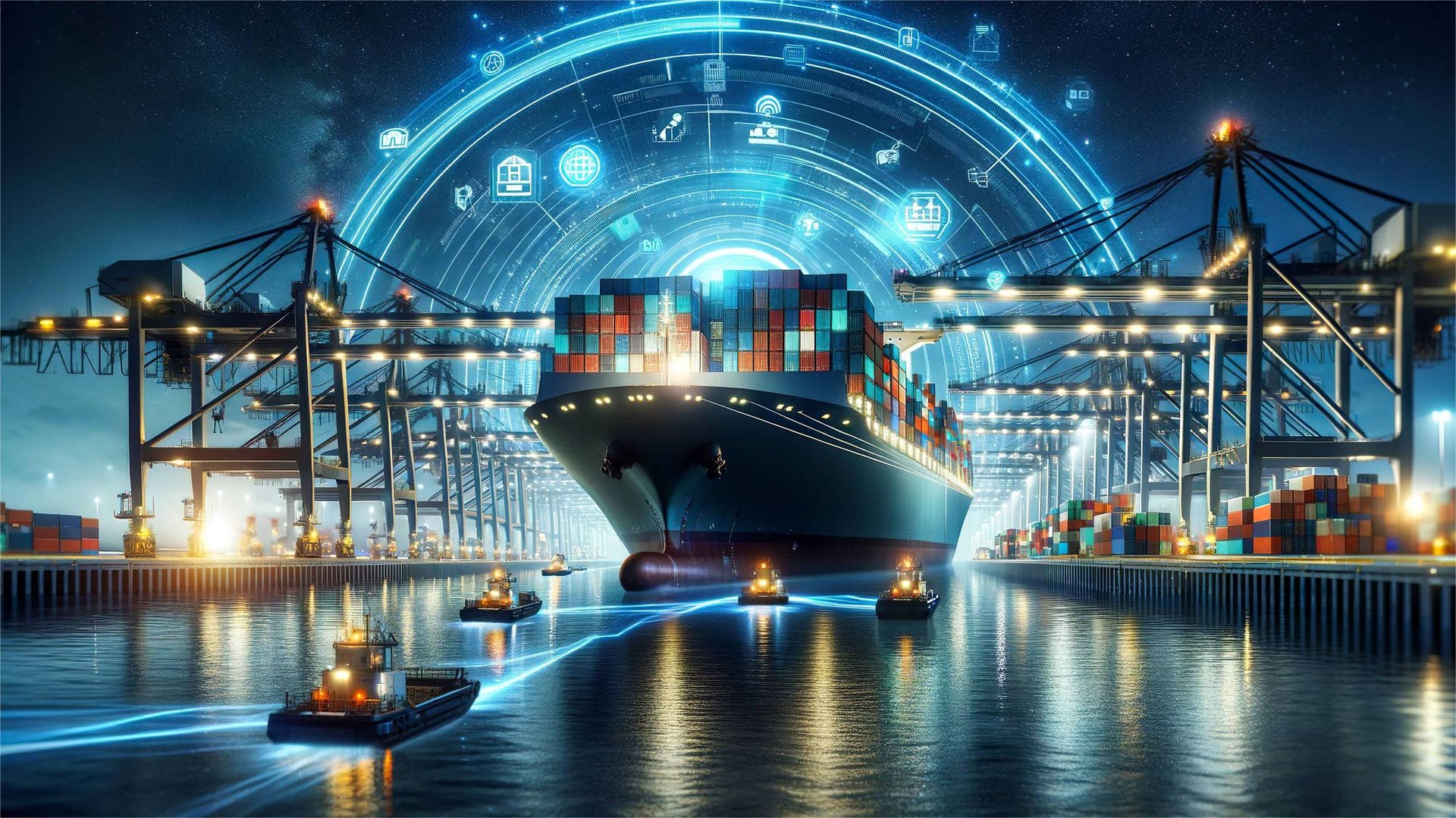
Cost Factors in Direct Factory Pickup and Inland Haulage
Inland transport costs are primarily determined by the distance between the factory and the nearest port or airport. Furthermore, the type of vehicle required, such as a flatbed or a refrigerated truck, will influence the final price.
Fuel surcharges often fluctuate in 2026, making it essential to get updated quotes regularly. Some forwarders offer fixed-rate inland haulage for high-volume routes to provide price stability.
Labor costs for loading and unloading at the factory may also apply if the manufacturer does not provide this service. It is vital to clarify these responsibilities in your purchase agreement to avoid surprise charges.
Indeed, understanding these variables allows you to budget more accurately for your total import expenses.
Mastering Your Logistics with Factory Collection
Implementing a china freight forwarding service factory pickup is a strategic move for any business looking to gain more control over its supply chain. It eliminates the uncertainties of supplier-managed transport and provides a transparent view of logistics costs.
Whether you are shipping via sea, air, or rail, the first mile of the journey sets the tone for the entire process. By partnering with a professional logistics provider, you ensure that your goods are handled efficiently and arrive at their destination on time.
As market conditions evolve in 2026, having a flexible and responsive pickup strategy will be a key competitive advantage. Start streamlining your operations today by taking charge of your cargo from the moment it leaves the factory.

Need a tailored shipping solution?
Ready to optimize your supply chain with a reliable china freight forwarding service factory pickup? Contact our team today for a customized quote and expert advice on your 2026 shipping strategy. Visit our website to learn more about our comprehensive logistics solutions and secure your cargo’s journey from factory to door. Send Inquiry: msc-logistics-group.com/contact