
China Freight for Wholesalers Same Day Quote: 2026 Logistics Guide
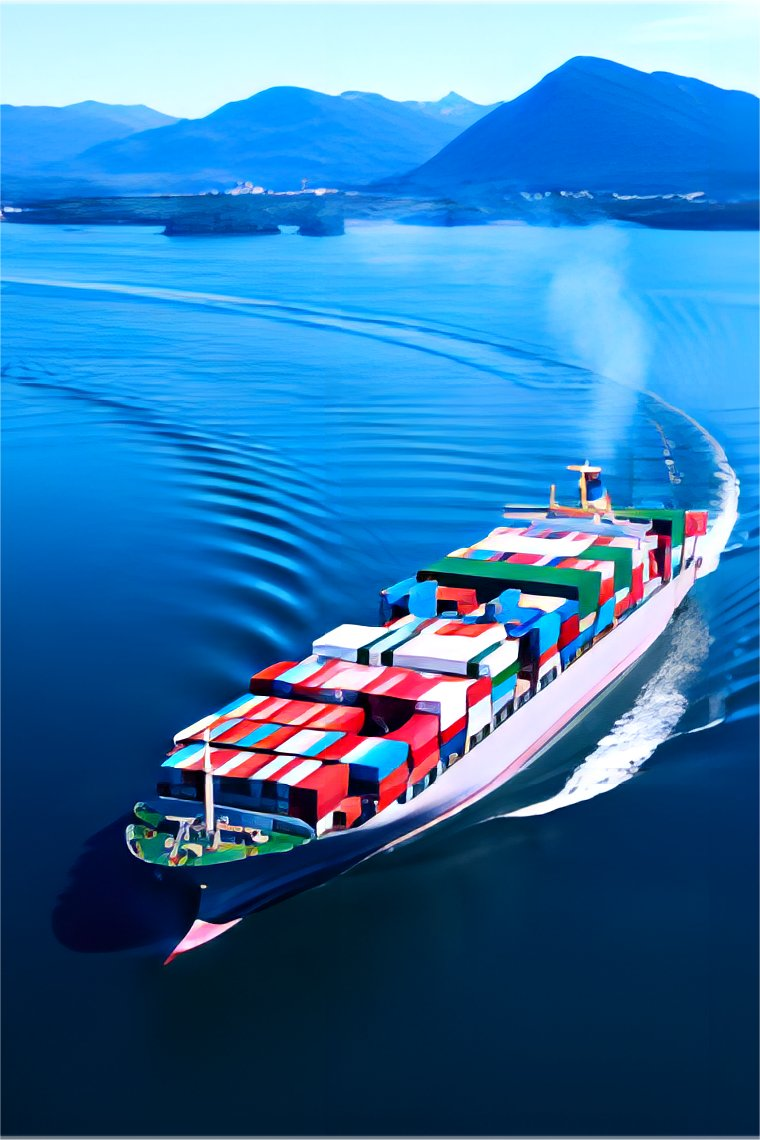
Finding a reliable China freight for wholesalers same day quote is essential for maintaining a competitive edge in the fast-paced global market of 2026. As supply chains become more complex, businesses must partner with experts like Logistics From China to ensure their cargo moves efficiently across borders. This comprehensive guide explores the various shipping methods available, provides current market pricing, and offers strategic advice for high-volume importers looking to streamline their operations.
✦
Why is a China Freight for Wholesalers Same Day Quote Essential?
Wholesalers operate on thin margins where timing and cost predictability are paramount to success. Consequently, waiting days for a shipping estimate can lead to missed opportunities or stockouts that damage retail relationships. Modern logistics platforms now offer instantaneous data integration to provide rapid pricing feedback.
Moreover, the volatility of fuel prices and carrier capacity in 2026 means that a quote received today might not be valid tomorrow. Therefore, securing a same day quote allows procurement teams to lock in rates and finalize their landed cost calculations immediately. This speed is particularly critical during peak seasons when space on vessels is limited.
Additionally, having access to quick pricing helps wholesalers negotiate better terms with their own clients. In addition, it facilitates more accurate budgeting for large-scale imports that require significant capital layout. Indeed, speed in the quoting process is often a reflection of the freight forwarder’s overall operational efficiency.
How Does Sea Freight Compare to Other Shipping Options?
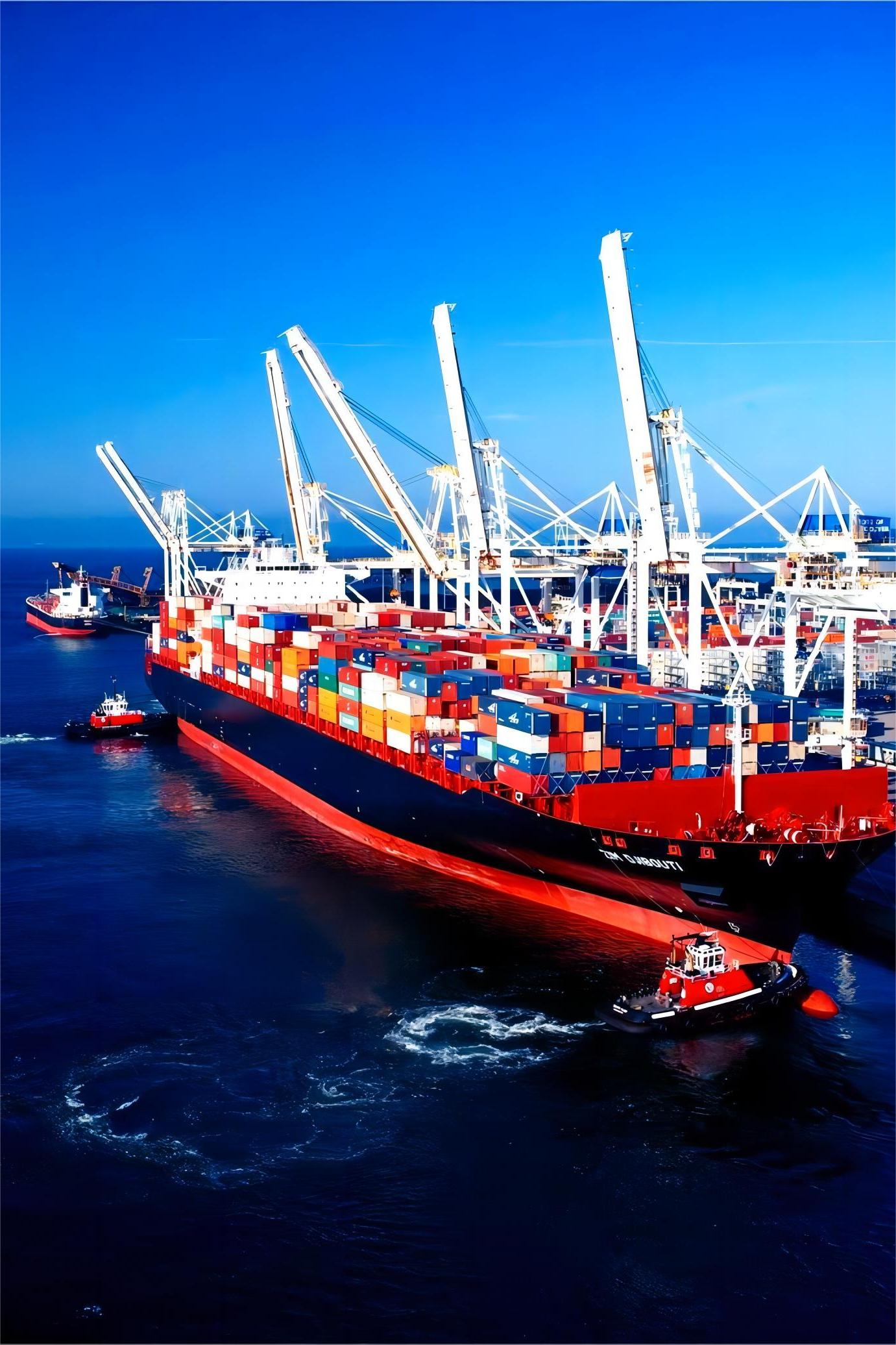
Analyzing different transport modes is vital for wholesalers who need to balance transit times against their total logistics spend. While sea freight remains the most cost-effective solution for massive volumes, it requires the longest lead times. In contrast, other methods offer speed at a significantly higher premium.
Furthermore, rail and air options provide necessary flexibility for urgent inventory replenishment or high-value electronics. Specifically, wholesalers must evaluate the nature of their goods before selecting a transit mode. For example, perishable items or seasonal fashion trends may justify the higher cost of faster transport.
Consequently, a hybrid approach often yields the best results for diversified inventories. Meanwhile, the following table provides a clear comparison of the primary shipping methods available from China to global destinations in early 2026.
| Shipping Method | Cost Range | Transit Time | Best For |
|---|---|---|---|
| Sea Freight (FCL) | Low ($1,500 – $4,500) | 18 – 40 Days | Bulk commodities |
| Air Freight | High ($4.50 – $9.00/kg) | 3 – 7 Days | High-value goods |
| Rail Freight | Medium ($2,000 – $3,500) | 15 – 22 Days | Mid-range urgency |
| Express Service | Very High ($8.00+/kg) | 2 – 4 Days | Samples and small lots |
Navigating 2026 Market Trends for China Freight
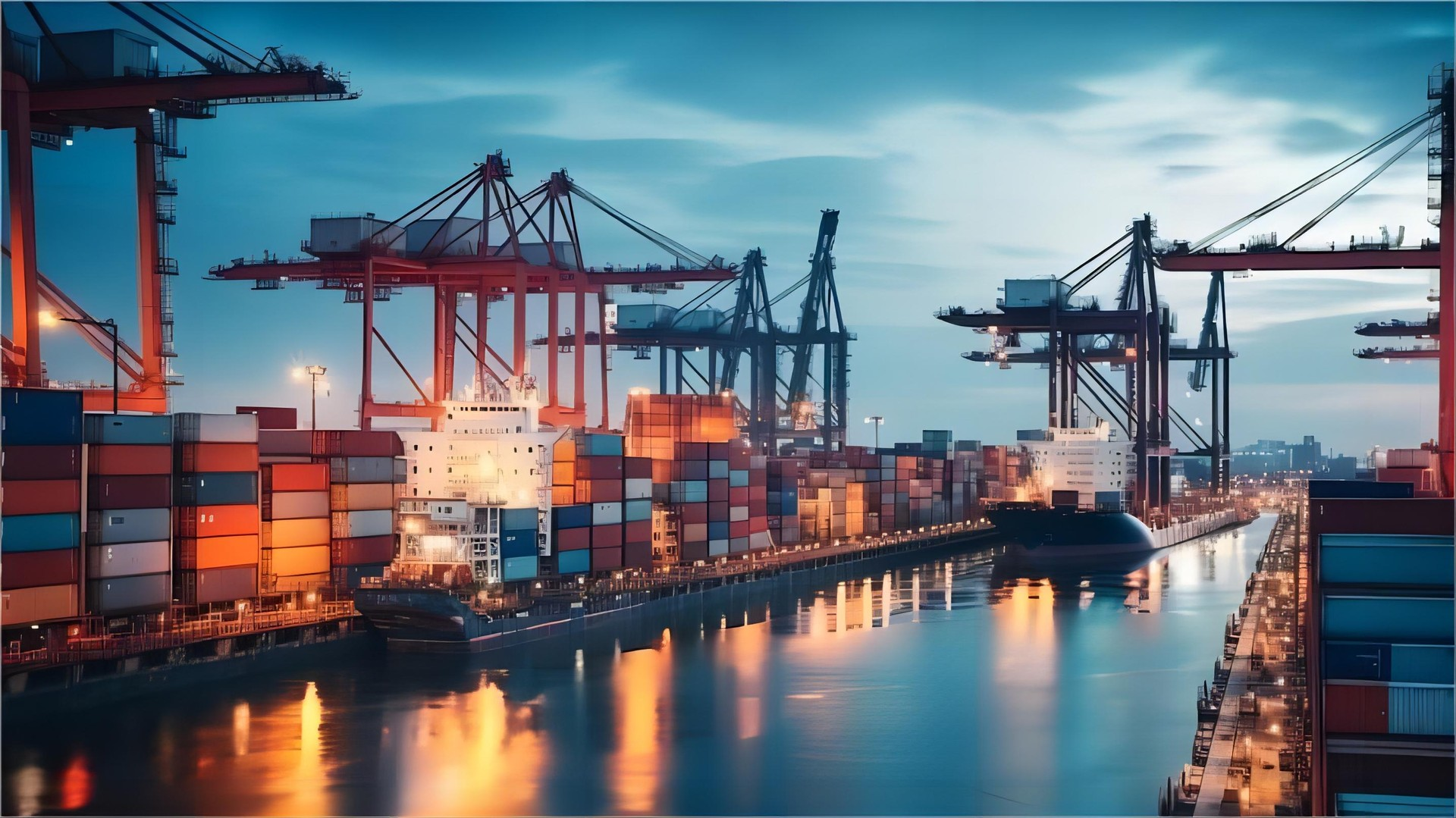
Industry benchmarks indicate that freight rates in 2026 have stabilized following the disruptions seen in previous years. However, seasonal spikes during the Golden Week and the Lunar New Year still cause temporary price surges of 15 to 25 percent. Therefore, wholesalers should plan their shipments at least six weeks in advance to avoid these peak surcharges.
Market data suggests that sustainability is now a major factor in carrier selection and pricing structures. Many shipping lines have introduced carbon offset fees, which are now integrated into the standard wholesale quote. Consequently, eco-friendly logistics options are becoming more prevalent in the global supply chain.
Technological advancements have also enabled better visibility for cargo handling and real-time tracking. As a result, wholesalers can now monitor their shipments with greater precision, reducing the risk of lost inventory. Nevertheless, choosing a partner with a robust digital infrastructure is necessary to leverage these benefits.
Evaluating Air Freight for Time-Sensitive Wholesale Orders
Utilizing air freight is often the preferred choice for wholesalers dealing with short product lifecycles. Although the cost per kilogram is higher than sea transport, the reduction in inventory holding costs can offset the initial expense. Furthermore, air transport offers superior security for sensitive or fragile wholesale products.
Additionally, the speed of air delivery allows businesses to respond quickly to sudden shifts in consumer demand. For instance, if a specific product goes viral on social media, air freight enables a rapid restock that sea freight simply cannot match. Consequently, many wholesalers allocate 10 to 20 percent of their logistics budget to air transport for emergency needs.
Indeed, the reliability of flight schedules in 2026 has improved, leading to more predictable arrival windows. However, wholesalers must still account for potential customs delays at major international hubs. Therefore, working with an experienced broker is essential to ensure that air shipments clear the airport without unnecessary storage fees.
The Rise of Rail Freight in 2026 Logistics
For wholesalers targeting the European market, rail freight offers a compelling middle ground between sea and air. It is approximately twice as fast as sea freight while costing about 60 percent less than air transport. Consequently, it has become a staple for mid-value wholesale goods like machinery parts and home appliances.
Moreover, the expansion of the New Silk Road infrastructure has increased the number of departure points across China. This regional diversity allows wholesalers to source from inland provinces and ship directly to Europe without first transporting goods to coastal ports. As a result, inland transit times and costs are significantly reduced.
Nevertheless, rail freight is subject to geopolitical stability along the transit corridors. Wholesalers must stay informed about regional developments that could impact rail schedules. To summarize, rail is an excellent alternative for those who need faster delivery than sea but cannot justify the expense of air.

Real Case Studies: Successful Wholesale Shipments
Examining real-world scenarios helps wholesalers understand the practical application of different shipping strategies. These examples reflect actual market conditions as of early 2026 and highlight the importance of choosing the right method for specific cargo types. Note: Freight rates are subject to change based on fuel costs, carrier capacity, and seasonal demand. Contact us for a current quote tailored to your specific shipment.
Case Study 1: Electronics to the United States
Route: Shenzhen, China to Los Angeles, USA. Cargo: Consumer electronics, 28 CBM, 4500 kg. Container: 40GP. Shipping Details: Major carrier via direct route. Port of Loading: Shenzhen. Port of Discharge: Los Angeles. Cost Breakdown: Ocean Freight: $3,200. Origin Charges: $450. Destination Charges: $600. Customs and Duties: $1,200. Total Landed Cost: $5,450. Timeline: Booking to Loading: 4 days. Sea Transit: 16 days. Customs Clearance: 2 days. Total Door-to-Door: 22 days. Key Insight: Choosing a direct route saved 6 days compared to transshipment options.
Case Study 2: Textile Bulk Order to the United Kingdom
Route: Ningbo, China to Felixstowe, UK. Cargo: Apparel and textiles, 12 CBM, 2000 kg. Container: LCL. Shipping Details: Transshipment via Singapore. Port of Loading: Ningbo. Port of Discharge: Felixstowe. Cost Breakdown: Ocean Freight: $1,100. Origin Charges: $300. Destination Charges: $400. Customs and Duties: $800. Total Landed Cost: $2,600. Timeline: Booking to Loading: 5 days. Sea Transit: 34 days. Customs Clearance: 3 days. Total Door-to-Door: 42 days. Key Insight: LCL was the most economical choice for this volume despite the longer transit time.
Which Option Should You Choose for Bulk Shipments?
Deciding on the best shipping method requires a clear understanding of your business priorities and cargo specifications. If your primary goal is cost minimization and your lead times are flexible, sea freight is the undisputed winner. On the other hand, if speed is the most critical factor, air freight is the necessary choice despite the cost.
Furthermore, volume thresholds often dictate the transition from LCL to FCL shipping. Generally, when a shipment exceeds 15 CBM, booking a full 20GP container becomes more cost-effective than paying for individual cubic meters. Consequently, wholesalers should consolidate orders whenever possible to maximize container utilization.
Specifically, for shipments destined for landlocked regions or specific European hubs, rail freight should be considered. To summarize, the decision framework involves weighing budget, urgency, and cargo volume. Typical rates as of early 2026 suggest that sea freight remains the backbone of the wholesale industry.
Understanding Customs Brokerage and Documentation
Navigating the complexities of international trade requires professional customs brokerage services to prevent costly delays. Wholesalers must ensure that all documentation is accurate and compliant with the regulations of both the exporting and importing countries. Inaccurate paperwork is the leading cause of port congestion and additional storage fees.
Additionally, understanding the Harmonized System (HS) codes for your products is crucial for calculating duties and taxes correctly. Misclassification can lead to heavy fines or even the seizure of goods by customs authorities. Therefore, investing in expert brokerage services is a strategic move that protects your bottom line.
Moreover, the documentation requirements can vary significantly depending on the destination and the type of goods. For example, food products or chemicals require additional certifications compared to standard consumer goods. The following table outlines the essential documents required for most wholesale shipments from China.
| Document Name | Purpose | Provider |
|---|---|---|
| Commercial Invoice | Proof of transaction | Supplier |
| Packing List | Details of cargo contents | Supplier |
| Bill of Lading | Contract of carriage | Freight Forwarder |
| Certificate of Origin | Verifies manufacturing site | Chamber of Commerce |
Mastering Wholesale Logistics in 2026
To summarize, obtaining a China freight for wholesalers same day quote is a vital component of modern supply chain management. By understanding the trade-offs between air, sea, and rail freight, wholesalers can make informed decisions that balance speed and cost. Furthermore, staying updated on market trends and maintaining accurate documentation ensures that goods move smoothly through international borders.
Ultimately, the success of a wholesale business depends on the reliability of its logistics partners. As we navigate the complexities of 2026, those who prioritize fast quoting and efficient shipping will be best positioned for growth. We encourage all wholesalers to leverage the data and strategies provided in this guide to optimize their importing processes and achieve long-term success.