

LCL Shipping China International: Rates, Routes, and Best Practices
Navigating the complexities of global trade requires efficient and scalable logistics solutions for modern businesses. Logistics From China provides expert support for companies managing LCL shipping China international to maintain a competitive edge. This guide explains how sea freight consolidation saves money while streamlining your global supply chain operations.

What is LCL Shipping China International?
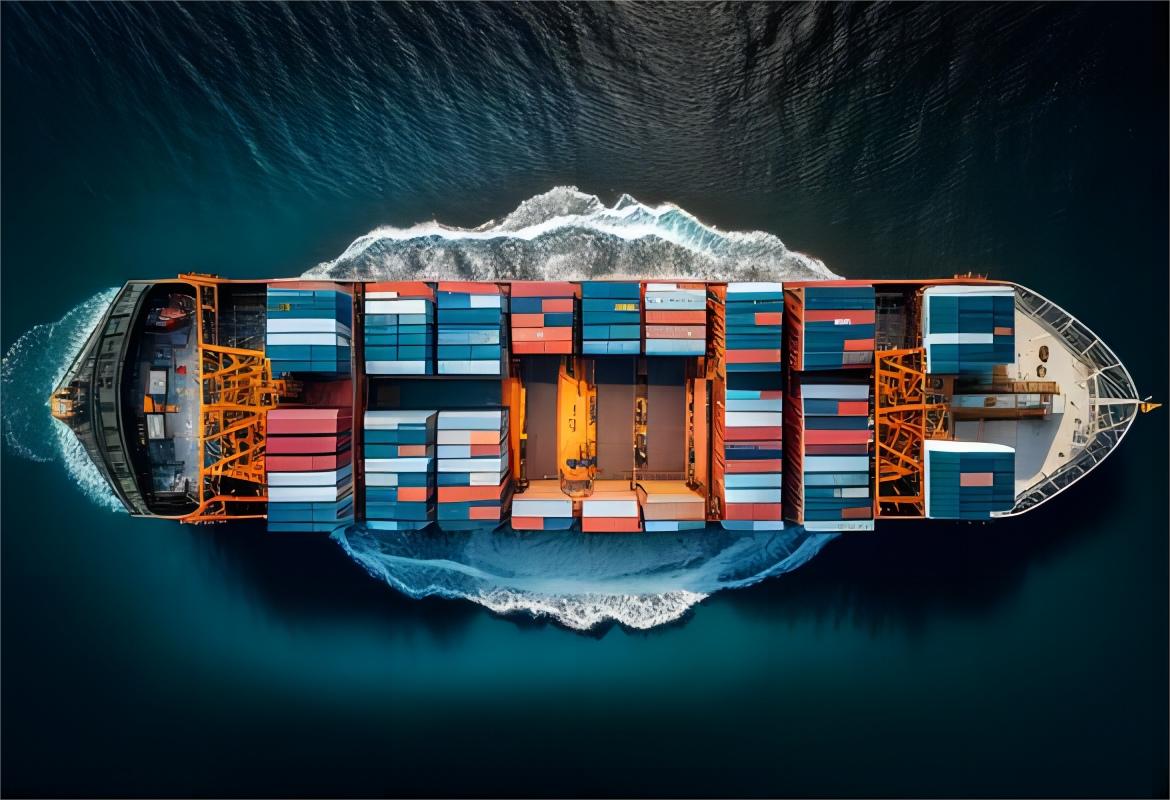
LCL shipping China international refers to Less than Container Load shipments where multiple shippers share space within a single ocean container. Consequently, this method allows small and medium-sized enterprises to move goods without paying for an entire 20ft or 40ft container. Many importers choose this strategy when their cargo volume does not justify the cost of a full container.
Specifically, the consolidation process happens at a Container Freight Station where various shipments are grouped together based on their destination. Furthermore, this approach provides immense flexibility for businesses that need to maintain frequent inventory turnovers. Therefore, understanding the mechanics of consolidation is vital for optimizing your logistics budget.

However, shippers must account for the additional handling involved in LCL logistics compared to full loads. Because the cargo is handled more frequently during loading and unloading, proper packaging becomes a top priority for safety. Meanwhile, the cost-sharing nature of this service remains its most attractive feature for growing brands.
How Does LCL Shipping Compare to Other Shipping Options?
Choosing the right transport mode depends heavily on your specific budget, timeline, and cargo volume requirements. While sea freight offers the lowest cost for large volumes, LCL fills the gap for smaller batches. Additionally, businesses must weigh the speed of transport against the total landed cost of their goods.
On the other hand, air freight provides much faster delivery times but at a significantly higher price point. For instance, a shipment that costs 200 dollars via LCL might cost over 2000 dollars if sent by air. Consequently, LCL serves as the middle ground for non-urgent shipments that exceed express courier weight limits.
Moreover, rail freight has emerged as a viable alternative for routes connecting China to the Eurasian continent. Nevertheless, sea-based LCL remains the dominant choice for global trade due to its massive capacity and reach. Shippers should evaluate each method based on the following comparison criteria.
| Shipping Method | Cost Range | Transit Time | Best For |
|---|---|---|---|
| LCL Sea Freight | 50 to 150 USD per CBM | 25 to 45 Days | Small business inventory |
| FCL Sea Freight | 1500 to 4500 USD per Box | 20 to 40 Days | Bulk orders and large stock |
| Air Freight | 4 to 10 USD per KG | 3 to 7 Days | Urgent or high-value items |
| Rail Freight | 100 to 200 USD per CBM | 15 to 22 Days | Mid-range speed for Europe |

Understanding LCL Shipping Rates and Calculation Methods
Freight forwarders calculate LCL rates primarily based on the volume of the cargo measured in Cubic Meters. In addition to the ocean freight, shippers must pay for origin and destination charges which cover handling and documentation. Indeed, these local charges can sometimes exceed the actual ocean freight cost for very small shipments.
Most carriers use a Weight or Measure rule to determine the billable volume of your international cargo. For example, if your shipment is exceptionally heavy, the carrier may bill based on weight rather than physical dimensions. Accordingly, you should always provide accurate measurements to avoid unexpected surcharges at the port.
Furthermore, seasonal demand significantly impacts the pricing of LCL shipping China international throughout the year. During peak seasons like the weeks before Lunar New Year, rates often spike due to limited space and high demand. Therefore, booking your shipments at least two weeks in advance can help secure better pricing.
Key Factors Influencing Transit Times for LCL Cargo
Transit times for LCL shipments are generally longer than FCL because of the time required for consolidation and deconsolidation. Specifically, the cargo must wait at the warehouse until the container is full and ready for departure. As a result, you should factor in an extra five to seven days for these warehouse operations.
Port congestion and customs inspections also play a major role in determining the final delivery date of your goods. If one shipment in a consolidated container faces a customs hold, it may delay the entire container for all parties involved. Nevertheless, choosing experienced partners can minimize the risk of such logistical bottlenecks.
Moreover, the specific route and number of transshipment points will influence how long your goods remain at sea. Direct routes from major hubs like Shanghai or Shenzhen to Los Angeles are much faster than routes involving multiple stops. Consequently, always ask your forwarder about the estimated schedule and potential for transshipment delays.
| Destination Region | Major Port | Estimated Transit | Route Type |
|---|---|---|---|
| North America | Los Angeles | 18 to 25 Days | Direct |
| Europe | Rotterdam | 30 to 38 Days | Direct/Transship |
| Australia | Sydney | 15 to 22 Days | Direct |
| United Kingdom | Felixstowe | 32 to 40 Days | Direct |
The LCL Shipping Process: Step-by-Step
The journey begins with a booking request where you provide the freight forwarder with cargo details and destination info. Once confirmed, you can arrange door to door pickup or deliver the goods to the designated warehouse. Afterward, the warehouse staff inspects the cargo and measures the dimensions for final billing.
During the consolidation phase, workers carefully load your goods into a container alongside products from other businesses. Meanwhile, the forwarder prepares the master bill of lading and other essential transport documents for the voyage. Subsequently, the container is hauled to the terminal and loaded onto the designated vessel for departure.
Upon arrival at the destination port, the container undergoes the deconsolidation process at a local warehouse. At this stage, each individual shipment is separated and prepared for final customs clearance and delivery. Without a doubt, this multi-step process requires precise coordination to ensure no items are lost or damaged during the transition.
Essential Customs Documents for International LCL Shipments
Accurate documentation is the foundation of a successful international shipping operation and helps avoid costly storage fees. Every shipment requires a commercial invoice, a packing list, and a bill of lading to pass through border controls. Additionally, certain products may require specific certificates of origin or safety data sheets depending on their nature.
Working with a professional customs brokerage service ensures that your paperwork complies with both Chinese export laws and destination import rules. For instance, incorrect HS codes can lead to overpayment of duties or even legal penalties from customs authorities. Therefore, double-checking every detail on your documents is a necessary step for every importer.
Furthermore, you should keep digital copies of all records for at least five years to satisfy potential audit requirements. If you are shipping to Europe, ensure you have your EORI number ready for the clearance process. Consequently, proactive preparation remains the best defense against administrative delays at the port of entry.
Real Case Studies: Success Stories in LCL Shipping
Case Study 1: Electronics Distribution to North America. Route: Shenzhen to Los Angeles. Cargo: 500 units of consumer electronics, 4.5 CBM, 1200 kg. Shipping Method: LCL Sea Freight. Ocean Freight: 420 USD. Origin Charges: 150 USD. Destination Charges: 280 USD. Total Landed Cost: 850 USD. Timeline: 24 days door-to-door. Key Insight: Consolidating small electronics batches allowed the client to maintain lean inventory without the high cost of air freight.
Case Study 2: Textile Import for European Retail. Route: Ningbo to Hamburg. Cargo: 150 rolls of fabric, 8 CBM, 2000 kg. Shipping Method: LCL Sea Freight via Major Carrier. Ocean Freight: 680 USD. Origin Charges: 210 USD. Destination Charges: 340 USD. Total Landed Cost: 1230 USD. Timeline: 36 days. Key Insight: Using LCL allowed the retailer to test new fabric designs in the market before committing to a full container load.
Case Study 3: Custom Furniture for Australian Market. Route: Guangzhou to Sydney. Cargo: Handcrafted wooden chairs, 3 CBM, 450 kg. Shipping Method: LCL Sea Freight. Ocean Freight: 280 USD. Origin Charges: 120 USD. Destination Charges: 200 USD. Total Landed Cost: 600 USD. Timeline: 19 days. Key Insight: Careful palletizing ensured the fragile furniture arrived without damage despite multiple handling points during consolidation.
Which Option Should You Choose for Your Business?
Determining whether to use LCL or FCL depends on your total shipment volume and your need for speed. Generally, if your shipment is between 1 and 15 Cubic Meters, LCL is the most cost-effective solution available. However, if your volume exceeds 15 CBM, you might find that booking a full 20ft container is cheaper due to the flat rate structure.
For those managing Amazon FBA inventory, LCL is often the preferred choice for regular restocking of smaller items. It allows you to send goods directly to fulfillment centers without overwhelming your storage limits or capital reserves. Additionally, this method supports a more agile supply chain that can react quickly to changing consumer trends.
Ultimately, you should choose LCL when your primary goal is cost reduction and your timeline allows for a few extra days of transit. If your goods are extremely fragile or high-value, you might consider the added security of a dedicated container. Therefore, evaluate your priorities carefully before making a final booking decision.
Final Thoughts on LCL Shipping
Mastering LCL shipping China international allows businesses of all sizes to participate in the global marketplace with minimal financial risk. By sharing container space, you can significantly reduce your overhead costs while maintaining a steady flow of goods to your customers. Moreover, the flexibility offered by consolidation services supports sustainable growth and better cash flow management.
To summarize, success in LCL logistics requires careful planning, accurate documentation, and the right professional partners. While the process involves more handling than full container loads, the cost savings often outweigh the minor increase in transit time. Consequently, many of the world’s most successful importers rely on LCL as a core component of their international trade strategy.
Ready to streamline your logistics?
Ready to optimize your supply chain with reliable LCL shipping China international? Contact our team today to receive a competitive quote and expert guidance for your next shipment. Visit our website to learn more about our comprehensive logistics solutions. Send Inquiry: https://msc-logistics-group.com/contact-us/
Request Quote