

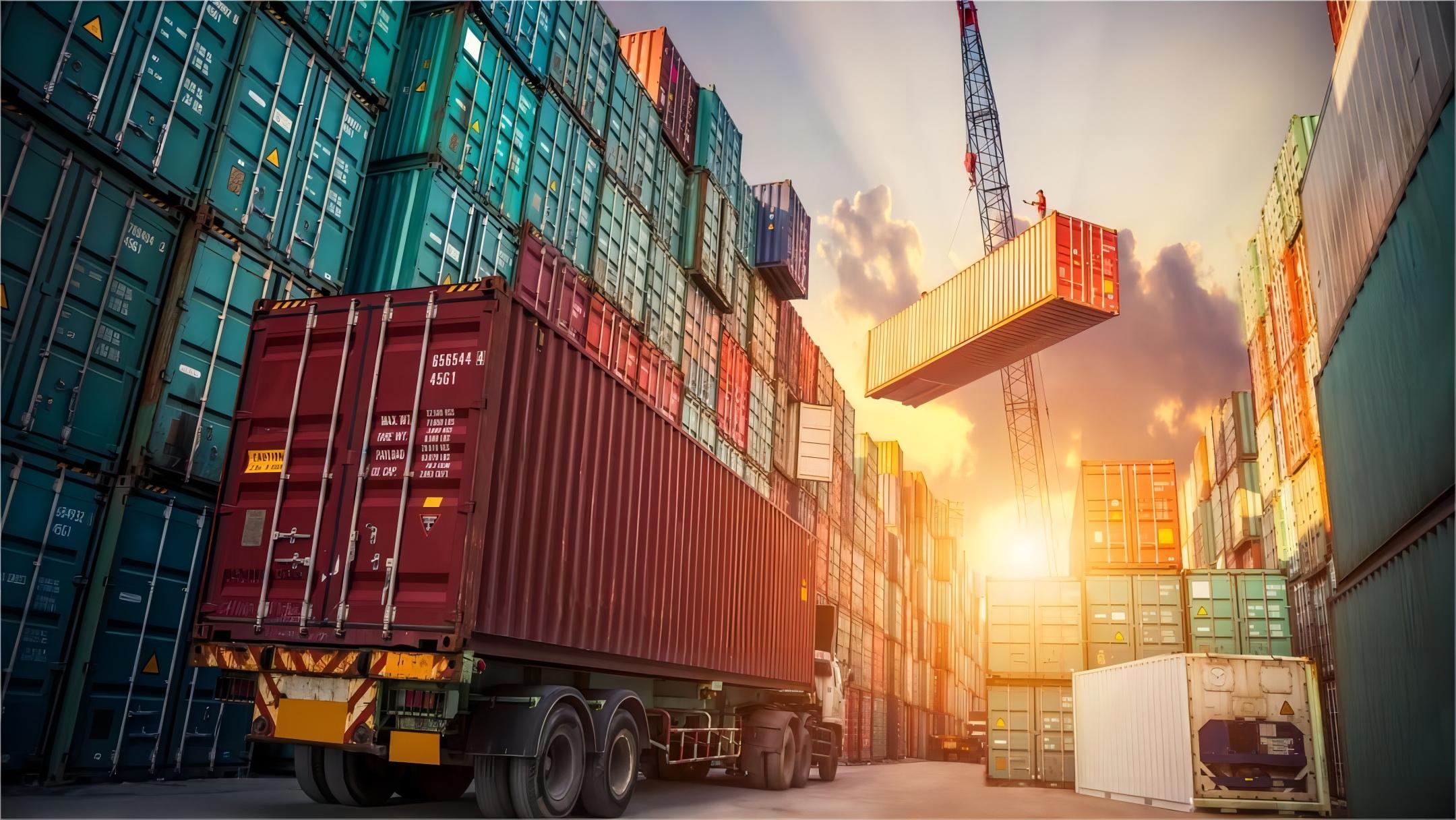
China Warehouse Shipping Agent Same Day Quote: 2026 Logistics Guide
“Securing a reliable china warehouse shipping agent same day quote is the first step toward building a resilient supply chain in 2026. Businesses today require immediate pricing data to make informed decisions about inventory movement and landed costs. Consequently, our team focuses on providing rapid, accurate estimates that reflect the current market conditions of the global logistics industry.”
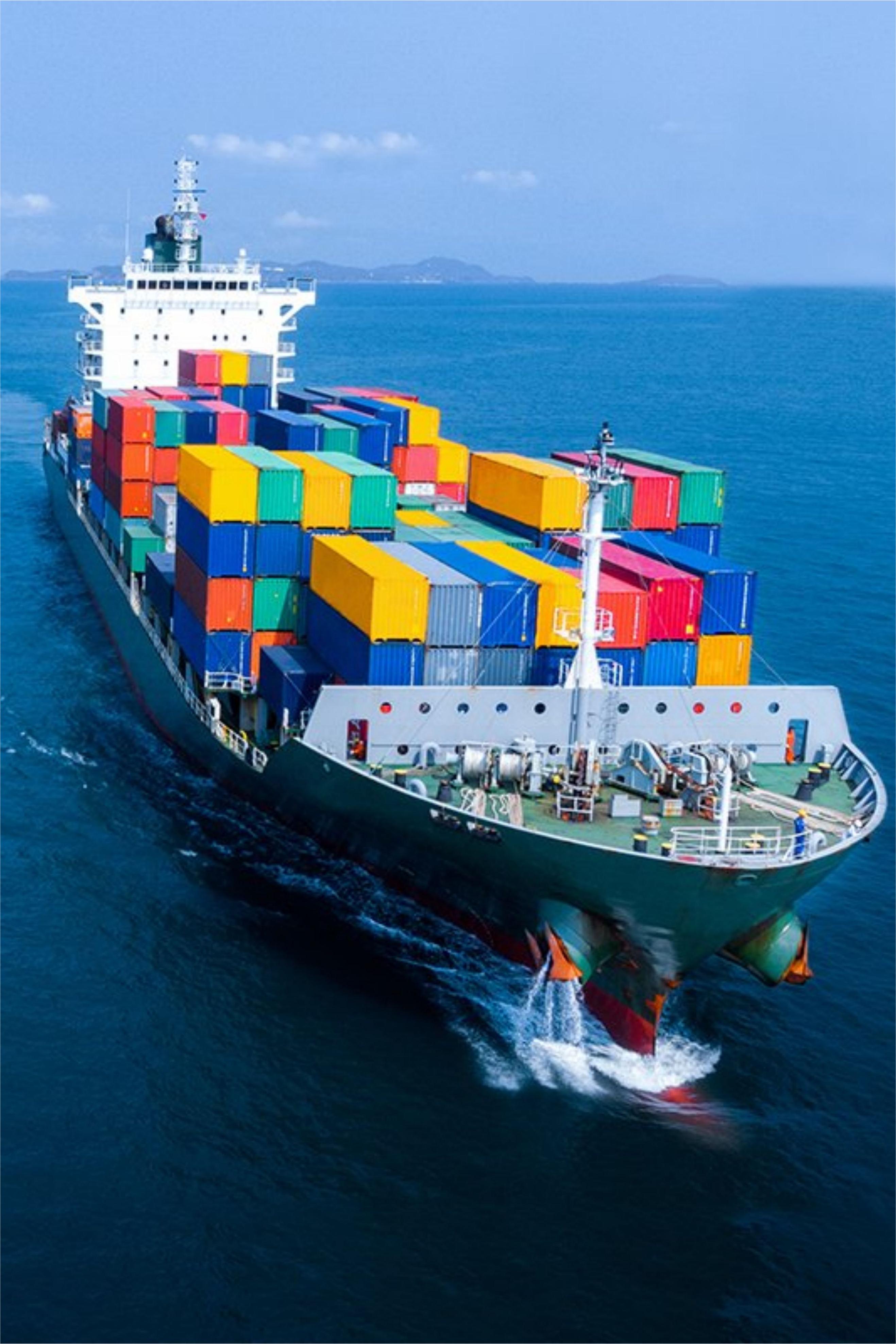
Why You Need a China Warehouse Shipping Agent Same Day Quote
❖Speed is the most critical factor in modern international trade, especially when dealing with high-volume manufacturing hubs. Moreover, market volatility in early 2026 has made price stability a challenge for many importers. Therefore, getting an immediate quote allows you to lock in rates before they fluctuate due to fuel surcharges or seasonal demand.
Efficiency in the quoting process reflects the overall operational capability of your logistics provider. If an agent takes days to respond to a simple inquiry, they are likely to be slow in handling your actual cargo. Meanwhile, a responsive partner ensures that your goods do not sit idle in a warehouse, incurring unnecessary storage fees.
Accuracy remains equally important as speed when evaluating shipping costs. A professional agent will include all potential charges, from local trucking to destination port fees, preventing unexpected expenses later. Consequently, this transparency helps you maintain healthy profit margins and predictable delivery schedules for your customers.
How to Choose the Right China Warehouse Shipping Agent
❖Selecting a partner requires a deep understanding of their service network and regional expertise. You should prioritize agents who maintain physical warehouse locations in major ports like Shenzhen, Ningbo, or Shanghai. Furthermore, verify their experience with specific product categories, as hazardous materials or oversized machinery require specialized handling.
Communication protocols serve as a primary indicator of a successful partnership. A top-tier agent provides a dedicated account manager who understands your unique business requirements. Additionally, they should offer digital tracking tools that provide real-time visibility into your shipment’s journey from the factory floor to the final destination.
Consider utilizing door to door services to simplify your logistics management. This approach minimizes the number of touchpoints and reduces the risk of communication breakdowns between different service providers. As a result, you can focus on your core business operations while experts manage the complexities of international transport.
Comparing Shipping Methods: Air, Sea, and Rail
❖Different cargo types demand different transport strategies based on budget and urgency. For instance, high-value electronics often travel via air freight to minimize transit time and reduce the risk of theft. On the other hand, bulk commodities and large consumer goods are typically better suited for ocean transport.
Rail freight has emerged as a middle-ground solution for shipments traveling from China to Europe. It offers faster transit than the sea but at a significantly lower cost than air transport. However, you must evaluate the current stability of rail corridors before committing to this mode of transport in 2026.
Each method has distinct trade-offs regarding environmental impact and cost-efficiency. To summarize, your choice should align with your specific inventory turnover goals and customer expectations for delivery speed.
| Shipping Method | Average Cost | Transit Time | Best For |
|---|---|---|---|
| Air Freight | $5.00 – $9.00 per kg | 3 – 7 Days | Urgent, high-value goods |
| Sea Freight (FCL) | $3,000 – $5,500 per 40HQ | 25 – 40 Days | Large volume, low cost |
| Rail Freight | $150 – $250 per CBM | 15 – 22 Days | Mid-range budget to Europe |
| Express Service | $8.00 – $12.00 per kg | 2 – 5 Days | Samples and small parcels |

How Does Sea Freight Compare to Other Shipping Options?
❖Analyzing sea freight reveals why it remains the backbone of global trade. While it is the slowest method, its ability to move massive quantities of goods at a low unit cost is unmatched. Consequently, most e-commerce businesses rely on ocean transport for their primary inventory replenishment.
Direct routes from China to the USA West Coast currently take approximately 14 to 18 days. In contrast, shipping to the East Coast via the Panama Canal can take upwards of 30 days. Therefore, your choice of discharge port significantly impacts your overall transit time and inland distribution costs.
Hybrid solutions, such as sea-air combinations, provide an alternative for businesses caught between budget constraints and tight deadlines. These routes involve shipping by sea to a hub like Dubai or Singapore, then flying the cargo to the final destination. This strategy often saves 40% in costs compared to pure air freight while cutting sea transit time in half.
| Method | Cost Range | Transit Time | Limitations |
|---|---|---|---|
| Sea Freight | Lowest | 30-45 Days | Slow, port congestion |
| Air Freight | Highest | 5-7 Days | Weight/Size limits |
| Rail Freight | Medium | 18-24 Days | Geopolitical risks |
| Sea-Air Hybrid | Medium-High | 15-20 Days | Complex handling |
Which Shipping Option Should You Choose?
❖Decision-making in logistics should follow a structured framework based on your business priorities. If your primary goal is cost reduction, sea freight is almost always the preferred choice for shipments over 2 CBM. Conversely, if you are launching a new product and need to test the market quickly, air freight provides the necessary agility.
Volume thresholds play a vital role in determining the most economical method. For example, shipments under 100kg are usually cheaper via express courier. Once you exceed 500kg, the gap between air freight and sea freight becomes significant enough to warrant a change in strategy.
Cargo type also dictates the necessary service level. Fragile or perishable items may require the temperature-controlled environments found in specialized air containers. Meanwhile, durable consumer goods can easily withstand the longer durations and humidity variations of ocean travel.
Understanding Customs Clearance and Documentation
❖Navigating the complexities of customs brokerage is essential for avoiding costly delays at the border. Every country has specific requirements for commercial invoices, packing lists, and certificates of origin. Furthermore, incorrect HS code classification can lead to heavy fines or seizure of goods by customs authorities.
Professional agents handle the submission of all necessary paperwork to ensure a smooth transition through the port. Indeed, they act as a liaison between your business and government agencies, managing duty payments and inspections. This expertise is particularly valuable during periods of changing trade regulations or tariff adjustments.
Documentation accuracy cannot be overstated in the international shipping process. Even a minor discrepancy in weight or value can trigger an audit. Consequently, working with an experienced agent who double-checks every document before departure is a critical safeguard for your supply chain.
Case Studies: Real-World Shipping Success in 2026
❖Case Study 1: Solar Panel Distribution to North America. Route: Ningbo, China to Los Angeles, USA. Cargo: 500 Solar Panels, 45 CBM, 12,000 kg. Container: 1 x 40HQ. Carrier: COSCO. Ocean Freight: $3,200. Total Landed Cost: $4,850. Transit: 16 days sea, 22 days door-to-door. Insight: Early booking saved 15% on peak season surcharges.
Case Study 2: Fast Fashion Apparel to Europe. Route: Shenzhen, China to Rotterdam, Netherlands. Cargo: 2,500 kg of garments. Method: Air Freight. Cost: $16,250. Customs: $850. Total: $17,100. Timeline: 6 days door-to-door. Insight: Using air freight allowed the client to meet a critical retail launch window despite manufacturing delays.
Case Study 3: Industrial Machinery to Australia. Route: Shanghai, China to Melbourne, Australia. Cargo: CNC Machine, 12 CBM. Method: Sea Freight LCL. Cost: $1,450. Transit: 18 days. Insight: LCL was more cost-effective than a 20GP container for this specific volume. Note: Freight rates are subject to change based on fuel costs and seasonal demand. Contact us for a current quote.
Cost-Saving Strategies for International Shipping
❖Reducing your logistics spend requires a proactive approach to cargo consolidation. By combining multiple small orders into a single shipment, you can take advantage of lower FCL (Full Container Load) rates. Additionally, optimizing your packaging to reduce wasted space can significantly lower your chargeable weight for air shipments.
Negotiating long-term contracts with your agent can provide price stability in a volatile market. While spot rates might occasionally be lower, a fixed contract protects you from the sudden price spikes common during the Q4 peak season. Moreover, loyal clients often receive priority equipment allocation when container shortages occur.
Consider the impact of Incoterms on your total shipping costs. Choosing FOB (Free on Board) instead of EXW (Ex Works) gives you more control over the international leg of the journey. Consequently, you can select your own agent and negotiate rates directly rather than relying on the factory’s chosen provider.
Final Thoughts on Finding a China Warehouse Shipping Agent Same Day Quote
Securing a china warehouse shipping agent same day quote is more than just a convenience; it is a strategic advantage. By obtaining rapid pricing, you can react faster to market changes and ensure your goods are always in the right place at the right time. Furthermore, the combination of speed, accuracy, and expert guidance ensures that your international trade operations remain profitable.
Logistics in 2026 demands a partner who understands both the micro-details of warehousing and the macro-trends of global freight. Whether you are shipping by air, sea, or rail, the right agent will help you navigate the complexities of customs and transit times. Therefore, prioritize transparency and responsiveness when choosing your next shipping partner to ensure long-term success.

Ready to streamline your logistics?
Ready to streamline your supply chain with a China warehouse shipping agent same day quote? Our team of logistics experts is standing by to provide you with the most competitive rates and reliable service in the industry. Contact us today to receive your personalized shipping plan and move your cargo with confidence. Send Inquiry: https://msc-logistics-group.com/
Request Quote