

China to Germany Air Cargo for Amazon Sellers: 2026 Logistics Guide
Selling on the European market requires a robust and agile supply chain to stay competitive against local vendors. Logistics From China provides the specialized support needed to navigate the complexities of international trade. Utilizing china to germany air cargo for amazon sellers is the most effective strategy for maintaining high inventory turnover and meeting strict Prime delivery windows in 2026.
✦Why Choose Air Cargo for Your Amazon Germany Business?
Speed remains the primary advantage for e-commerce entrepreneurs who need to replenish stock quickly. Consequently, air freight allows sellers to respond to sudden market trends without waiting weeks for sea vessels. Furthermore, the reduced transit time minimizes the capital tied up in inventory during the long voyage across the ocean.
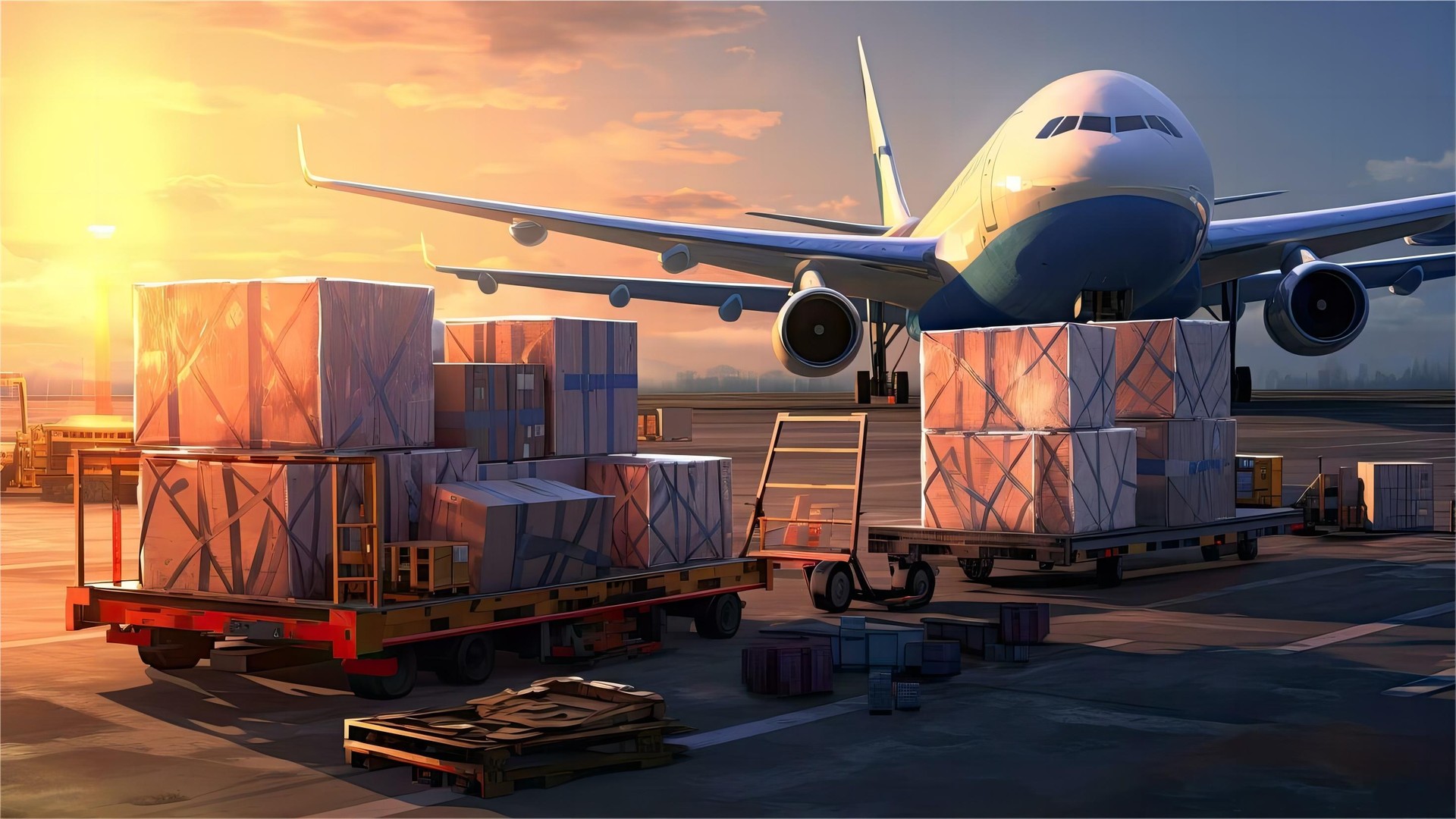
Security is another critical factor when handling high-value electronics or fragile consumer goods. Because air transport involves fewer touchpoints than rail or sea, the risk of damage or theft is significantly lower. Additionally, the reliable schedules provided by major airlines ensure that your Amazon restock dates remain predictable and consistent.
Choosing air freight enables you to maintain a lean inventory model. This approach reduces long-term storage fees at German fulfillment centers. Moreover, the agility provided by flight schedules allows for better management of seasonal peaks like Prime Day or the Q4 holiday rush.

How Does Air Cargo Compare to Other Shipping Options?
Evaluating the best transport mode requires a balance between cost, speed, and volume. While air cargo is faster, other methods like rail or sea might be more suitable for bulky items. Therefore, understanding the trade-offs is essential for maximizing your profit margins in the competitive German marketplace.
Sea freight remains the most economical choice for large-scale shipments exceeding 2 cubic meters. However, the transit time can exceed 35 days, which is often too slow for fast-moving consumer goods. In contrast, rail freight offers a middle ground but has faced various geopolitical disruptions throughout 2025 and early 2026.
Hybrid solutions such as sea-air combinations have gained popularity for sellers looking to save costs without sacrificing too much time. For instance, shipping by sea to Dubai and then flying to Frankfurt can save 30 percent on costs compared to pure air freight. Nevertheless, direct air cargo remains the gold standard for urgent Amazon FBA inventory.
| Shipping Method | Cost Range | Transit Time | Best For |
|---|---|---|---|
| Air Freight | $4.50 – $8.00/kg | 5-8 Days | Urgent Restocks |
| Sea Freight (LCL) | $150 – $300/CBM | 35-45 Days | Bulky Goods |
| Rail Freight | $1.20 – $2.50/kg | 18-25 Days | Stable Demand |
| Express Courier | $7.00 – $12.00/kg | 3-5 Days | Small Samples |
Understanding Air Freight Rates from China to Germany in 2026
Market conditions in early 2026 suggest that fuel surcharges and carrier capacity continue to fluctuate. Specifically, rates from major hubs like Shenzhen and Shanghai to Frankfurt generally range between 4.50 and 8.00 dollars per kilogram. These prices often depend on whether you choose standard air freight or deferred services.
Weight brackets play a significant role in determining your final invoice. For example, shipments over 100kg often qualify for better rates than smaller parcels. Additionally, the chargeable weight is calculated based on either actual weight or volumetric weight, whichever is higher, using the standard 1:6000 ratio.
Seasonal demand typically causes prices to spike during the late third quarter. To avoid these high costs, many successful sellers book their space at least two weeks in advance. Note: Freight rates are subject to change based on fuel costs, carrier capacity, and seasonal demand. Contact us for a current quote tailored to your specific shipment.
The Role of Amazon FBA Prep and Labeling
Compliance with Amazon Germany strict warehouse requirements is non-negotiable for international sellers. Every carton must feature the correct FNSKU labels and meet specific palletization standards once it arrives in Europe. Consequently, many sellers utilize Amazon FBA prep services in China to ensure everything is perfect before departure.
Incorrect labeling can lead to rejected shipments or significant delays at the fulfillment center. Furthermore, Amazon Germany requires specific dimensions for pallets, usually following the Euro-pallet standard of 800 by 1200 millimeters. Failure to adhere to these rules can result in additional handling fees or inventory being returned to the sender.
Professional logistics providers handle these details at the origin to streamline the process. They verify that the outer carton labels are visible and that the weight of each box does not exceed 23 kilograms. As a result, your goods move through the German network without manual intervention or administrative roadblocks.
Customs Clearance and Documentation for German Imports
Navigating German customs requires a thorough understanding of the Union Customs Code and local tax regulations. Every importer must have a valid EORI number to bring commercial goods into the European Union. Moreover, the correct classification of goods using HS codes is vital for determining the applicable duty rates.
Value Added Tax (VAT) is another critical component of the landed cost. Currently, the standard VAT rate in Germany is 19 percent, which is calculated based on the customs value plus duties. Utilizing a professional customs brokerage service helps ensure that your declarations are accurate and that you utilize tax deferment schemes where available.
Documentation must be precise to avoid lengthy inspections at Frankfurt or Leipzig airports. Essential papers include the commercial invoice, packing list, and the Air Waybill. Additionally, for certain products like electronics or toys, CE certification and a Declaration of Conformity are mandatory for legal sale within Germany.
Which Option Should You Choose for Your Business?
Deciding on a logistics strategy depends heavily on your specific business goals and product margins. If your priority is maintaining a high IPI score on Amazon, the speed of air cargo is often worth the premium price. On the other hand, for low-margin items with steady demand, a sea-rail combination might be more sustainable.
Budget-conscious sellers should consider consolidate shipping to reduce individual costs. By grouping smaller shipments together, you can access the lower rates typically reserved for larger volume cargo. Furthermore, using a door to door service simplifies the entire process by combining freight, customs, and last-mile delivery into one price.
Volume thresholds often dictate when it is time to switch methods. For instance, once your monthly volume exceeds 500kg, you might find that air freight becomes more cost-effective due to economies of scale. Conversely, for shipments under 30kg, express courier services like DHL or UPS are generally the most practical choice for German delivery.
Real Case Study: Electronics from Shenzhen to Hamburg
Case Study 1: High-Demand Consumer Electronics. Route: Shenzhen, China to Hamburg, Germany. Cargo: Smart Home Devices, 4.5 CBM, 850 kg. Shipping Method: Standard Air Cargo via Frankfurt.
Shipping Details: Major carrier used for direct flight to FRA. Port of Loading: Shenzhen Baoan International. Port of Discharge: Frankfurt Airport. Route Type: Direct flight with truck transfer to Hamburg.
Cost Breakdown: Air Freight: $4,250. Origin Charges: $210. Destination Charges: $185. Customs and Duties: $1,150. Total Landed Cost: $5,795. Timeline: Booking to Loading: 2 days. Air Transit: 1 day. Customs Clearance: 1 day. Total Door-to-Door: 6 days.
Key Insight: By using air cargo, the seller was able to capitalize on a viral social media trend. The shipment arrived 30 days faster than sea freight, resulting in a 400 percent return on investment despite the higher shipping costs. Based on Q1 2026 market rates.
Real Case Study: Fashion Apparel from Ningbo to Munich
Case Study 2: Seasonal Fashion Launch. Route: Ningbo, China to Munich, Germany. Cargo: Organic Cotton T-shirts, 2.2 CBM, 400 kg. Shipping Method: Deferred Air Freight.
Shipping Details: Transshipment via Istanbul to reduce costs. Port of Loading: Ningbo Lishe International. Port of Discharge: Munich Airport. Route Type: Transshipment.
Cost Breakdown: Air Freight: $1,920. Origin Charges: $150. Destination Charges: $140. Customs and Duties: $620. Total Landed Cost: $2,830. Timeline: Booking to Loading: 3 days. Air Transit: 4 days. Customs Clearance: 2 days. Total Door-to-Door: 11 days.
Key Insight: Using a deferred air service saved the seller 25 percent compared to direct air freight. This strategy allowed them to meet their launch date while maintaining a healthier profit margin for their clothing line. Typical rates as of early 2026.
Cost-Saving Strategies for Air Cargo Shipments
Reducing the volumetric weight of your packaging is the most effective way to lower air freight costs. Use vacuum sealing for textiles or custom-fit boxes for electronics to eliminate wasted space. Consequently, you will pay for the actual weight rather than the air inside the boxes.
Consolidating multiple smaller orders into a single large shipment can unlock significant volume discounts. Many freight forwarders offer consolidation services at their warehouses in Shenzhen or Guangzhou. In addition, scheduling your shipments for mid-week departures can sometimes yield lower rates than weekend flights.
Negotiating long-term contracts with a logistics partner can provide price stability in a volatile market. While spot rates are useful for occasional shipments, a dedicated service agreement ensures priority space during peak seasons. Moreover, exploring Europe regional hubs like Liege or Leipzig can sometimes offer cheaper landing fees than Frankfurt.
Final Thoughts on Air Freight for Amazon Germany
Navigating the logistics landscape from China to Germany requires a strategic approach to timing, documentation, and cost management. Throughout 2026, air cargo remains the most reliable method for Amazon sellers to ensure their products are available for customers exactly when needed.
By understanding the nuances of customs clearance and leveraging the speed of air transport, you can build a resilient business that thrives in the European market. Remember to stay updated on the latest china to germany air cargo for amazon sellers trends to maintain your competitive edge.
Partnering with an experienced freight forwarder will help you avoid common pitfalls and focus on growing your brand. Whether you are shipping high-value electronics or seasonal apparel, the right logistics strategy is the foundation of your success.