


China to Canada Shipping Service Reliable: Your 2024 Logistics Guide
Shipping products from East Asia to North America involves many moving parts and complex logistics regulations. Importers often struggle with unexpected delays, hidden fees, and the safety of their cargo during the long journey across the Pacific Ocean. Therefore, finding a china to canada shipping service reliable enough to manage these risks is the first step toward building a successful international business. This comprehensive guide will explore the best logistics strategies to ensure your products arrive safely and on time while maintaining your profit margins.
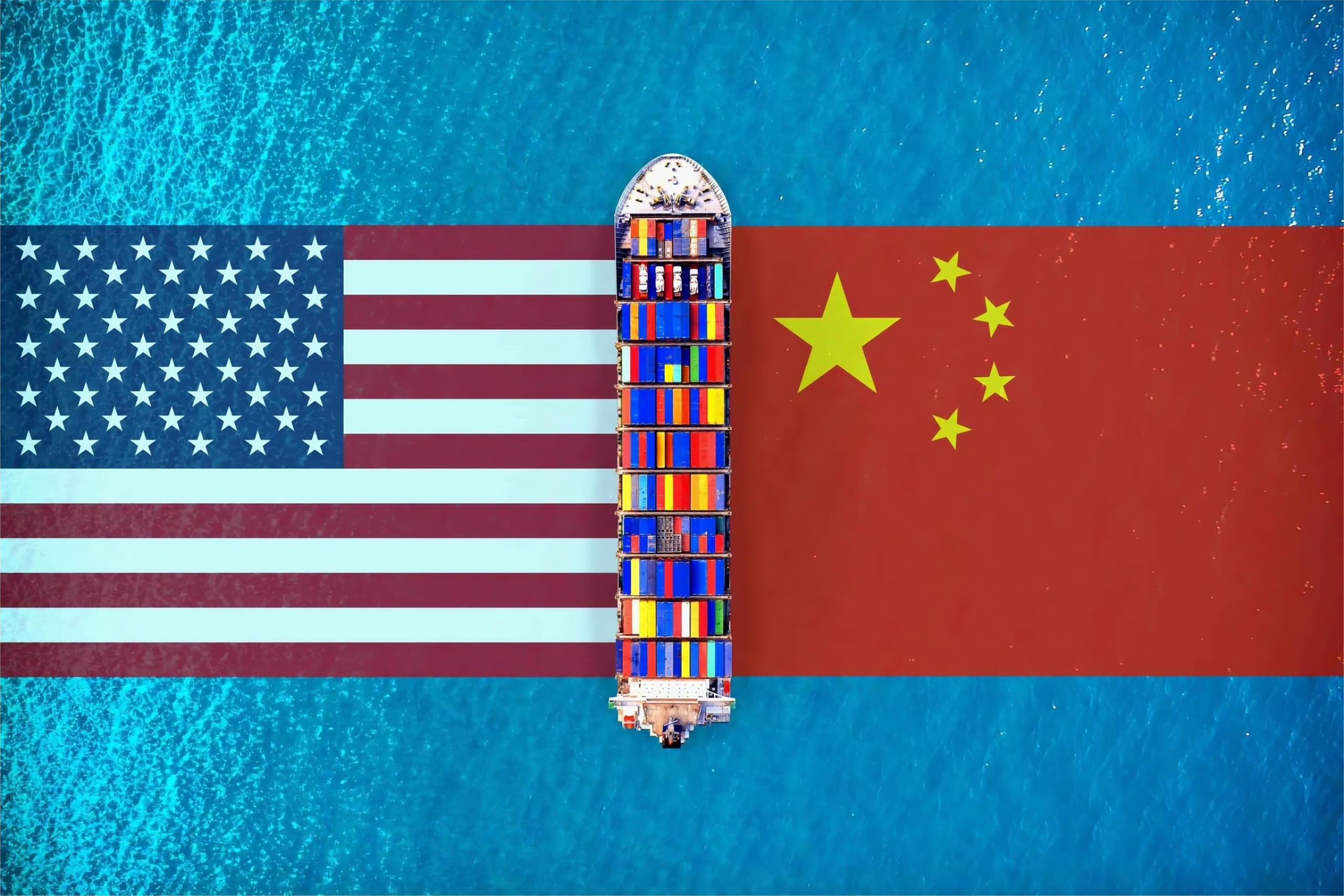
Why a China to Canada Shipping Service Reliable Partner Matters
Reliability in logistics is not just about speed but also about consistency and transparency. When you choose a freight forwarder, you are entrusting them with your inventory and your reputation with customers. Consequently, a dependable partner helps you avoid the common pitfalls of international trade such as port congestion and documentation errors.
Moreover, the current global economic climate requires businesses to be more agile than ever before. Fluctuating fuel prices and changing trade policies can impact your bottom line if your logistics provider is not proactive. A professional service will provide real-time tracking and clear communication to keep you informed at every stage of the journey.
Furthermore, Canadian customs regulations are strict regarding product safety and tax compliance. An experienced provider ensures that all paperwork is filed correctly to prevent costly seizures or fines. Ultimately, the peace of mind that comes with a trustworthy shipping partner allows you to focus on growing your business rather than worrying about transit issues.
Comparing Air Freight and Sea Freight Options
Choosing the right transportation method is a critical decision for any importer. For many businesses, air freight is the preferred choice when speed is the absolute priority. Although it is more expensive, it significantly reduces the lead time for high-value or perishable goods.
In contrast, sea freight offers a much more economical solution for large volumes of cargo. Most heavy machinery and consumer electronics move via ocean routes because the cost per unit is significantly lower. However, you must account for longer transit times, which can range from three to six weeks depending on the destination port.
Additionally, businesses must consider the environmental impact of their shipping choices. Air transport has a much higher carbon footprint compared to ocean vessels. Therefore, companies looking to improve their sustainability often opt for sea freight whenever the schedule permits.
| Method | Cost Range | Transit Time | Best For |
|---|---|---|---|
| Air Freight | $5.00 – $12.00/kg | 3-7 Days | High-Value Goods |
| Sea Freight | $1,500 – $4,500/cntr | 20-40 Days | Bulk Shipments |
| Express Service | $8.00 – $20.00/kg | 2-5 Days | Small Packages |
| Sea-Air Hybrid | Moderate | 15-22 Days | Balanced Needs |
How Does Sea Freight Compare to Other Shipping Options?
When evaluating a sea freight strategy, it is important to understand how it stacks up against alternatives like rail or air. For the China to Canada route, sea freight is the backbone of the supply chain due to the lack of direct rail links across the ocean. While sea freight costs roughly 2,000 to 3,500 USD for a 40HQ container, air freight for the same volume could exceed 20,000 USD.
Consequently, the cost savings of ocean transport are massive for businesses that can manage longer inventory cycles. However, sea freight is more susceptible to weather conditions and port strikes. If a shipment is delayed at the Port of Vancouver, it can ripple through your entire distribution network.
On the other hand, sea-air hybrid solutions are gaining popularity as a middle ground. Goods are shipped by sea to a hub like Dubai or Singapore and then flown to Canada. This method saves about 30 to 50 percent in costs compared to pure air freight while being twice as fast as pure sea freight.
| Method | Cost Efficiency | Reliability | Limitations |
|---|---|---|---|
| Direct Sea | Highest | Medium | Slow Transit |
| Direct Air | Lowest | High | Weight Limits |
| Sea-Air Hybrid | Medium | Medium | Complex Handling |
| Transshipment | High | Lower | Potential Delays |

Choosing Between FCL and LCL for Canadian Imports
Managing your cargo volume effectively can lead to significant cost reductions. If you have enough goods to fill a 20-foot or 40-foot container, Full Container Load (FCL) is usually the most efficient choice. This method provides better security since your goods are not mixed with other shippers’ products.
Conversely, Less than Container Load (LCL) is ideal for smaller shipments that do not justify the cost of an entire container. In this scenario, you only pay for the space you use, which is measured in cubic meters. However, LCL shipments often take longer because the carrier must consolidate multiple orders at the origin and de-consolidate them at the destination.
Furthermore, many businesses utilize door to door shipping to simplify the FCL and LCL process. This service handles everything from the factory floor in China to your warehouse in Canada. It removes the burden of managing multiple logistics providers and ensures a smoother transition through various transit points.
Navigating Customs Brokerage and Canadian Import Duties
Clearing customs is often the most stressful part of the shipping process for new importers. Canada has specific requirements for commercial invoices, packing lists, and certificates of origin. Therefore, hiring a professional customs brokerage is highly recommended to avoid delays.
Indeed, errors in tariff classification can lead to overpaying duties or facing penalties from the Canada Border Services Agency (CBSA). A broker will help you determine the correct Harmonized System (HS) codes for your products. This ensures that you pay the legal minimum in duties and taxes while remaining fully compliant.
Moreover, you must be aware of the Goods and Services Tax (GST) that applies to most imported items. This tax is usually 5 percent of the landed value of the goods. Understanding these costs upfront allows you to price your products accurately for the Canadian market.
| Document Name | Required By | Purpose | Common Errors |
|---|---|---|---|
| Commercial Invoice | CBSA | Valuation | Incorrect Price |
| Packing List | Warehouse | Cargo Audit | Missing Items |
| Bill of Lading | Carrier | Title of Goods | Wrong Address |
| HS Code | Customs | Duty Rating | Wrong Category |
Case Studies: Successful Shipments to Canada
Reviewing real-world examples can provide valuable insights into the logistics process. Below are two scenarios based on typical market rates from early 2024. These cases highlight the importance of choosing the right method for specific cargo types and destinations.
Case Study 1: Electronics from Shenzhen to Vancouver. Route: Shenzhen, China to Vancouver, Canada. Cargo: Consumer Electronics, 28 CBM, 4500 kg. Container: 40GP. Shipping Details: Carrier: Major ocean carrier. Port of Loading: Shenzhen. Port of Discharge: Vancouver. Route Type: Direct. Cost Breakdown: Ocean Freight: 2,900 USD. Origin Charges: 450 USD. Destination Charges: 600 USD. Customs and Duties: 1,200 USD. Total Landed Cost: 5,150 USD. Timeline: Booking to Loading: 4 days. Sea Transit: 16 days. Customs Clearance: 2 days. Total Door-to-Door: 22 days. Key Insight: Choosing a direct route to the West Coast saved ten days compared to transshipment.
Case Study 2: Fashion Apparel from Guangzhou to Toronto. Route: Guangzhou, China to Toronto, Canada. Cargo: Seasonal Clothing, 4 CBM, 800 kg. Method: LCL Sea Freight. Shipping Details: Carrier: Consolidation service. Port of Loading: Guangzhou. Port of Discharge: Toronto via Montreal rail link. Route Type: Transshipment. Cost Breakdown: Ocean Freight: 950 USD. Origin Charges: 200 USD. Destination Charges: 350 USD. Customs and Duties: 800 USD. Total Landed Cost: 2,300 USD. Timeline: Booking to Loading: 6 days. Sea Transit: 32 days. Customs Clearance: 3 days. Total Door-to-Door: 41 days. Key Insight: Using LCL was 70 percent cheaper than air freight for this non-urgent seasonal inventory.
Note: Freight rates are subject to change based on fuel costs, carrier capacity, and seasonal demand. Contact us for a current quote tailored to your specific shipment.

Which Option Should You Choose? Decision Framework
Selecting the best shipping strategy depends on your specific business priorities. If your primary goal is budget optimization, sea freight is the clear winner for any shipment over 2 CBM. However, if you are launching a new product and need to meet a strict deadline, air freight is the only viable option.
For shipments between 0.5 and 2 CBM, the cost difference between air and sea becomes smaller. In these cases, you should consider the urgency of the inventory. If the goods are high-value electronics, the added security and speed of air transport often justify the extra cost.
Additionally, businesses selling on platforms like Amazon should look into specialized Amazon FBA services. These providers understand the strict labeling and scheduling requirements of Canadian fulfillment centers. Consequently, using a specialized service reduces the risk of shipment rejections and additional storage fees.
Cost-Saving Strategies for International Logistics
Reducing your shipping expenses requires a proactive approach to supply chain management. One effective strategy is to consolidate shipments from multiple suppliers into a single container. This reduces the per-unit cost of documentation and port handling fees.
Furthermore, try to avoid shipping during peak seasons such as the weeks leading up to the Lunar New Year or the late Q3 holiday rush. During these times, rates can increase by 20 to 40 percent due to high demand. Planning your inventory arrivals for quieter months like March or April can lead to significant savings.
Finally, always request a detailed breakdown of all charges before booking. Hidden fees for fuel surcharges or port security can quickly erode your margins. A transparent provider will offer an all-in rate that covers the entire journey from origin to destination.
Summary of Reliable Shipping to Canada
In conclusion, successful importing requires a balance of speed, cost, and security. By understanding the differences between air and sea freight and utilizing professional customs brokerage, you can build a resilient supply chain. Remember that the cheapest option is not always the best if it leads to delays or damaged goods.
Finding a china to canada shipping service reliable enough to handle your specific needs is an investment in your company’s future. Whether you are shipping FCL, LCL, or using express services, clear communication and careful planning remain the keys to logistics success. Start evaluating your shipping partners today to ensure your business stays competitive in the global market.

Ready to streamline your logistics?
Ready to streamline your supply chain with a china to canada shipping service reliable and cost-effective? Contact Logistics From China today for a personalized quote and expert guidance on your next shipment. Our team is standing by to help you navigate the complexities of international trade and ensure your cargo arrives on time.
Request Quote