

China Factory Shipping Service 2026: The Ultimate Logistics Guide
Navigating the complexities of international trade requires a robust china factory shipping service 2026 strategy to maintain a competitive edge. As global markets evolve, businesses must adapt to new logistics trends and freight rate fluctuations to remain profitable. This comprehensive guide provides the essential insights needed to manage your imports effectively in the current year.
What is the Current State of China Factory Shipping Service 2026?
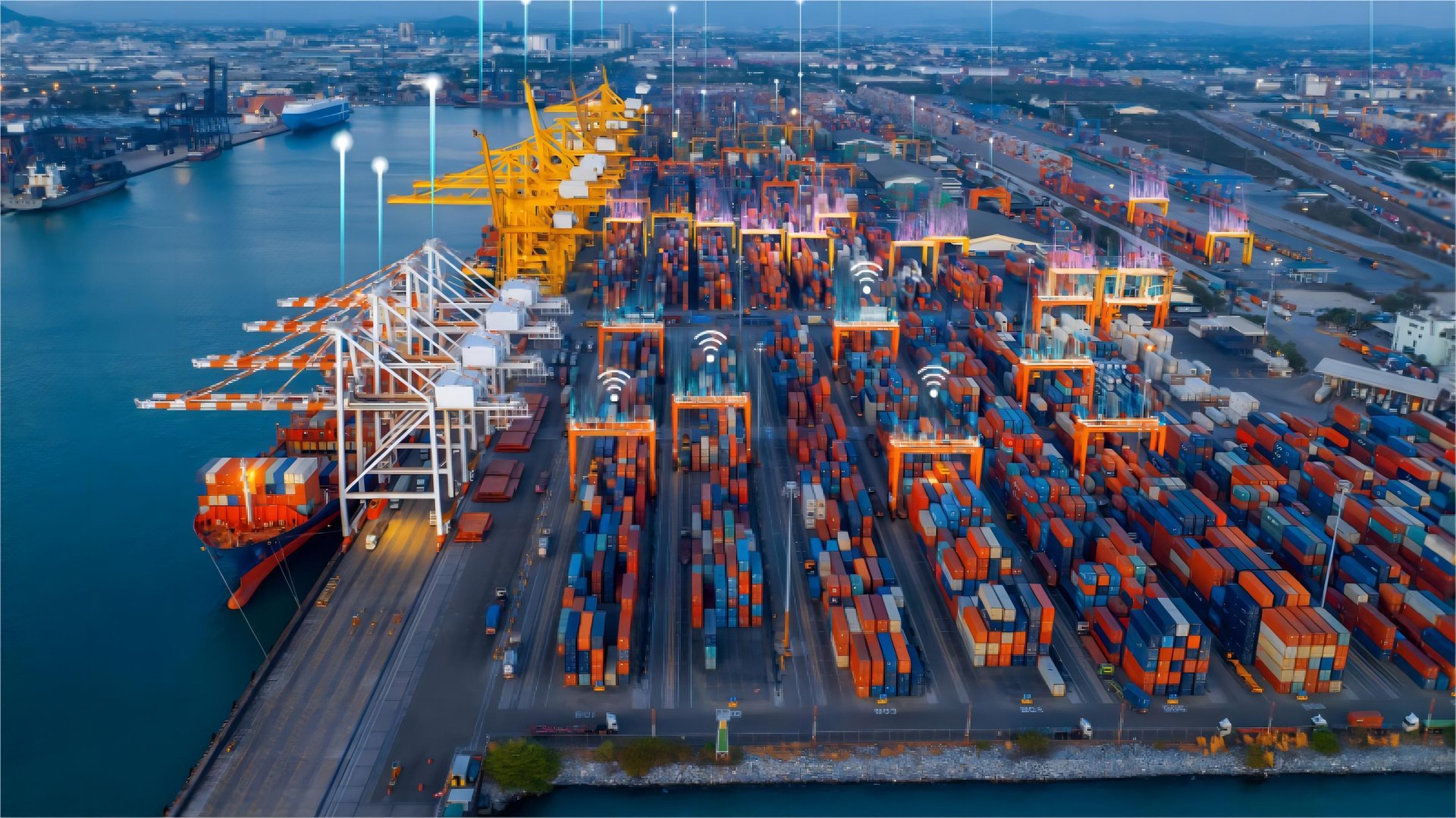
Market conditions in early 2026 show a significant stabilization of freight rates compared to the volatile periods of previous years. Moreover, technological advancements in port automation have reduced cargo handling times across major Chinese hubs like Shanghai and Ningbo. Consequently, importers can expect more predictable delivery schedules and improved reliability from their logistics providers.
Industry benchmarks indicate that supply chain optimization is now the primary focus for global enterprises. Furthermore, many companies are integrating AI-driven tracking to monitor shipments in real time. Indeed, the integration of smart logistics has transformed the traditional china factory shipping service 2026 into a high-tech operation.
Environmental regulations are also influencing how carriers operate in the current market. Specifically, many shipping lines have transitioned to greener fuels to meet international standards. As a result, some routes may see minor adjustments in transit times as vessels optimize for fuel efficiency.
How to Choose the Right China Factory Shipping Service 2026 for Your Business?
Selecting a reliable freight forwarder involves evaluating their experience with specific cargo types and destination requirements. For instance, a provider specializing in electronics might not be the best fit for heavy industrial machinery. Therefore, you should verify their track record and customer testimonials before signing a contract.
Cost considerations remain a top priority for most businesses importing from East Asia. However, the cheapest option is rarely the most efficient when considering potential delays. Additionally, you should look for a partner that offers comprehensive customs brokerage to avoid expensive compliance errors.
Communication is another critical factor in a successful partnership. A good shipping service will provide clear updates and proactive solutions to any logistical hurdles. Ultimately, your choice will impact your overall landed cost and customer satisfaction levels.
Comparing Sea Freight vs. Air Freight in 2026
Businesses often face a dilemma when choosing between speed and cost-effectiveness for their shipments. While sea freight remains the standard for bulk goods, air transport is essential for high-value or time-sensitive items. In addition, the gap between these methods has narrowed slightly due to faster sea transit options.
For example, premium ocean services now offer guaranteed arrival dates that rival some slower air cargo routes. On the other hand, air freight provides unmatched security and speed for urgent inventory replenishment. To summarize, the decision depends on your specific budget and inventory turnover requirements.
| Shipping Method | Average Cost | Transit Time | Best For |
|---|---|---|---|
| Sea Freight (FCL) | USD 3,000 – 4,500 | 25-35 Days | Bulk inventory |
| Air Freight | USD 5.50 – 8.00/kg | 3-7 Days | Urgent electronics |
| Rail Freight | USD 1,800 – 2,800 | 18-22 Days | Mid-range budget |
| Express Service | USD 9.00 – 12.00/kg | 2-4 Days | Small samples |

Why Rail Freight and Door to Door Services are Vital in 2026?
The expansion of the Silk Road Economic Belt has made rail freight a highly attractive middle-ground solution. Specifically, it offers faster transit than sea freight at a fraction of the cost of air transport. Consequently, it has become a staple for businesses shipping between China and various European destinations.
Implementing door to door logistics further simplifies the process for modern importers. This service covers every step of the journey, from the factory floor to the final warehouse. Indeed, it removes the burden of managing multiple carriers and local trucking companies.
Moreover, this integrated approach reduces the risk of cargo damage during transshipment. By using a single point of contact, you can ensure that your goods are handled with consistent care. Therefore, many small to medium enterprises prefer this comprehensive solution for their china factory shipping service 2026 needs.
Navigating Customs Documentation and Compliance
Customs regulations in 2026 have become more stringent regarding product safety and environmental impact. For instance, new digital filing requirements mean that all documentation must be perfectly accurate to avoid seizures. Additionally, importers should be aware of the specific tariff codes applicable to their goods.
Working with experts who understand Amazon FBA requirements is also vital for e-commerce sellers. These specialists ensure that labels and packaging meet strict platform standards. In contrast, failing to comply can lead to rejected shipments and significant loss of revenue.
To summarize, a proactive approach to compliance is the best way to prevent delays at the border. Always double-check your commercial invoice, packing list, and certificate of origin. Furthermore, consider obtaining marine insurance to protect your investment against unforeseen transit risks.
Regional Shipping Insights: North America, Europe, and Australia
Shipping routes to North America have seen increased capacity in 2026, particularly to West Coast ports. However, East Coast routes remain popular for those looking to avoid transcontinental trucking costs. Meanwhile, transit times have remained stable despite higher seasonal demand.
For those importing to Europe, the combination of rail and sea options provides excellent flexibility. Additionally, many ports in the Mediterranean have upgraded their infrastructure to handle larger container vessels. Consequently, southern European gateways are becoming more competitive.
The logistics landscape for Australia is unique due to its strict biosecurity laws. Therefore, ensuring your cargo is properly treated and documented is essential for a smooth entry. Without a doubt, choosing a forwarder with local expertise in the Australian market is a major advantage.
Real Case Studies: Successful 2026 Shipments
Case Study 1: Electronics Distribution to USA. Route: Shenzhen to Los Angeles. Cargo: 1,200kg of smart home devices. Method: Air Freight. Total Cost: USD 7,800. Transit Time: 5 days. Key Insight: Choosing air freight allowed the client to meet a critical product launch deadline during the Q1 peak season.
Case Study 2: Furniture Import to Australia. Route: Ningbo to Sydney. Cargo: 28 CBM (1x20GP). Method: Sea Freight. Total Cost: USD 1,650. Transit Time: 16 days. Key Insight: Proper packing and early booking secured a competitive rate before the August price hike.
Case Study 3: Industrial Machinery to Germany. Route: Chengdu to Hamburg. Cargo: 15 CBM LCL. Method: Rail Freight. Total Cost: USD 2,200. Transit Time: 21 days. Key Insight: Rail provided the perfect balance of speed and cost for mid-sized industrial components.
How Does Sea Freight Compare to Other Shipping Options?
Sea freight remains the backbone of global trade, but it is not always the best choice for every scenario. While it offers the lowest cost per unit for large volumes, the long transit times can tie up significant capital. Therefore, businesses must weigh the savings against the cost of carrying inventory for several weeks.
In contrast, air freight offers rapid turnaround but at a much higher price point. Rail freight serves as a viable alternative for landlocked regions or when sea freight is too slow. Additionally, express services are ideal for small parcels and urgent samples that require immediate delivery.
| Shipping Method | Cost Range | Transit Time | Best For |
|---|---|---|---|
| Direct Sea | Low | 14-30 Days | Large FCL orders |
| Transshipment | Very Low | 35-50 Days | Non-urgent goods |
| Rail-Sea Hybrid | Moderate | 20-25 Days | Central Asia routes |
| Air-Sea Hybrid | High | 10-15 Days | Urgent retail stock |
Which Option Should You Choose?
If your primary goal is budget priority, we recommend choosing standard sea freight for shipments over 15 CBM. For speed priority, air freight is the only logical choice for high-value items. However, if you are looking for a balance, rail freight is an excellent alternative for many routes.
Cargo type also plays a major role in your decision. Perishable goods or high-fashion items often require the speed of air or express services. Conversely, durable goods like construction materials or furniture are best suited for containerized sea transport. Industry average data suggests that most successful importers use a mix of these methods throughout the year.
Summary of 2026 Shipping Strategies
To summarize, managing a china factory shipping service 2026 requires a strategic blend of cost-efficiency and speed. By understanding the differences between sea, air, and rail freight, you can optimize your logistics for maximum profit. Moreover, staying informed about customs regulations and regional trends will help you avoid common pitfalls.
Indeed, the right logistics partner will provide the tools and expertise needed to navigate the global market successfully. Whether you are shipping to North America, Europe, or Australia, a proactive approach is key. Start planning your 2026 shipments today to ensure a smooth and profitable year of international trade.
Need a tailored shipping solution?
Ready to streamline your supply chain with a reliable china factory shipping service 2026? Contact our expert team today to receive a customized quote and expert advice for your next shipment. Visit our inquiry page to get started now: Send Inquiry