


China B2B Shipping Service Door Delivery: Ultimate 2026 Guide
China B2B shipping service door delivery solutions have become the backbone of modern international trade for companies seeking streamlined operations. Navigating the complexities of global logistics requires a partner that understands the nuances of customs, transit, and final mile delivery. Logistics From China offers comprehensive support to ensure your cargo moves from the factory floor directly to your warehouse without unnecessary delays. This guide explores how to optimize your supply chain using advanced shipping strategies in the 2026 market.

What is China B2B Shipping Service Door Delivery?
China B2B shipping service door delivery refers to a comprehensive logistics solution where the freight forwarder manages the entire journey of the goods. Specifically, this includes picking up cargo from a Chinese supplier and delivering it directly to the buyer’s specified business address.
Moreover, this service typically encompasses export customs clearance, international transit, and import duties management. Using a door to door service eliminates the need for the importer to coordinate multiple logistics providers.
Consequently, businesses can focus on their core operations while the shipping provider handles the technical aspects of the international supply chain. This model is particularly effective for small to medium enterprises that lack dedicated logistics departments.
Furthermore, modern providers in 2026 utilize advanced tracking technology to provide real-time visibility throughout the process. Indeed, having a single point of contact simplifies communication and reduces the risk of errors during transshipment.
The Benefits of Integrated Logistics for Modern Businesses
Efficiency remains the primary driver for choosing a professional China B2B shipping service door delivery model. By consolidating services, companies can significantly reduce the administrative burden associated with managing individual shipping legs.
Additionally, cost predictability is a major advantage because door-to-door quotes usually include most handling and transit fees. This allows for more accurate landed cost calculations, which is vital for maintaining healthy profit margins.
Reliability has also improved as of early 2026 due to better infrastructure and digital integration across major Chinese ports like Ningbo and Shanghai. Therefore, businesses can expect more consistent delivery schedules compared to traditional port-to-port shipping.
Meanwhile, professional handlers ensure that cargo handling follows strict safety protocols to minimize damage during transit. Risk mitigation is inherently built into the service through expert documentation and compliance checks.
How Does Door Delivery Compare to Other Shipping Options?
Analyzing different logistics models is essential for determining the most cost-effective strategy for your specific business needs. While port-to-port shipping might seem cheaper initially, the hidden costs of local trucking and customs brokerage often bridge the gap.
Moreover, sea freight remains the most popular choice for large volumes due to its economy of scale. However, for urgent shipments, air cargo provides a speed advantage that justifies the higher freight rates.
Hybrid solutions like rail-sea combinations have also gained traction for routes connecting China to inland destinations. These alternatives offer a balance between speed and cost that traditional methods might not provide.
Ultimately, the choice depends on your budget, cargo volume, and required transit time. Below is a detailed comparison of the primary methods used in 2026.
| Shipping Method | Cost Range | Transit Time | Best For |
|---|---|---|---|
| Sea Freight (FCL) | Low to Moderate | 25-40 Days | Bulk goods and large inventory |
| Air Freight | High | 3-7 Days | High-value or urgent electronics |
| Rail Freight | Moderate | 15-22 Days | Inland Europe destinations |
| Express Service | Very High | 2-5 Days | Samples and small parcels |
Selecting the Right Mode: Air vs Sea vs Rail
Choosing between different modes of transport requires a deep understanding of your product’s requirements and market demand. For instance, air freight is indispensable for seasonal products that must hit the shelves quickly.
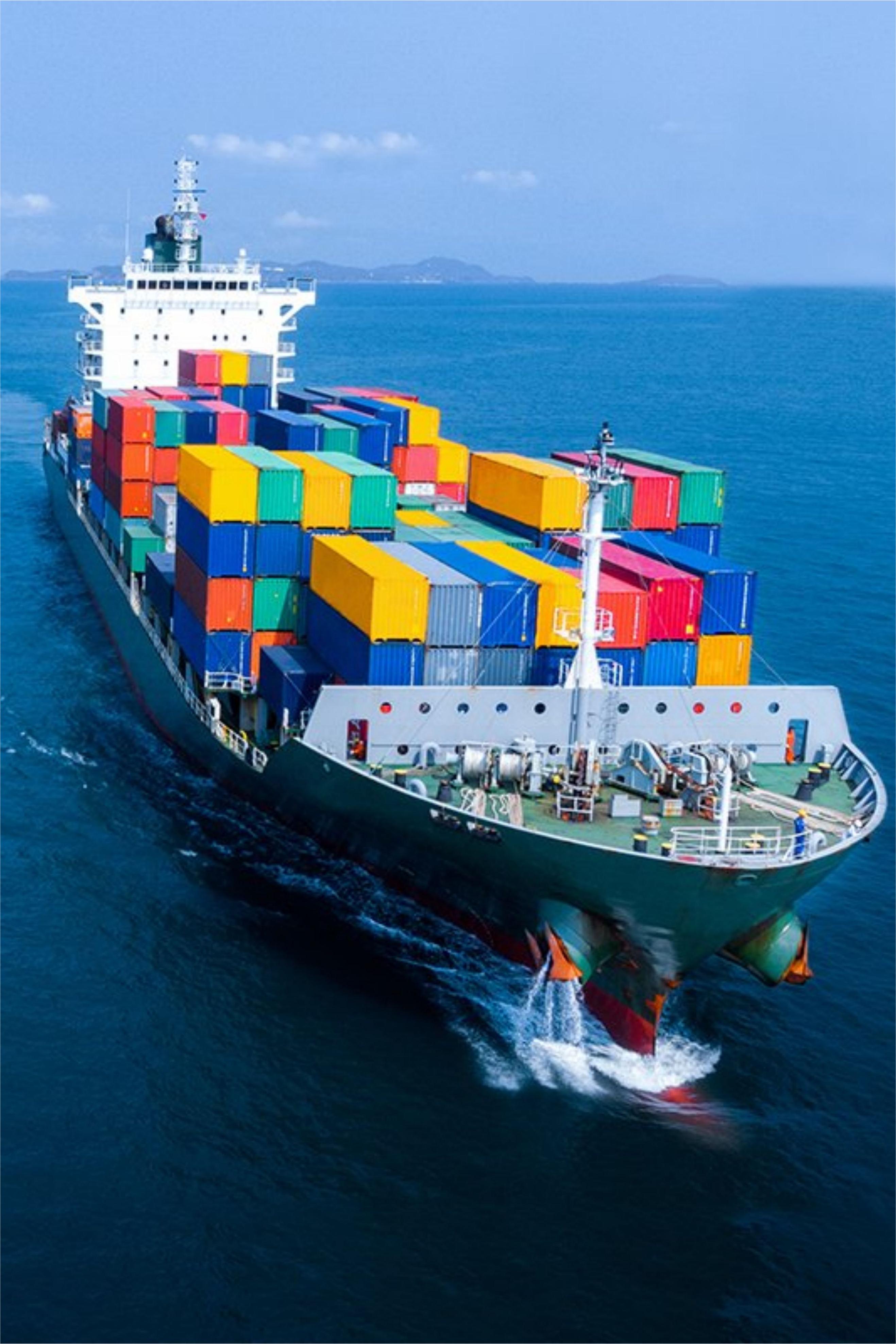
In contrast, sea freight is the logical choice for furniture, heavy machinery, and non-perishable consumer goods. As of Q1 2026, ocean freight rates have stabilized, making it an attractive option for long-term inventory planning.
Rail freight has emerged as a reliable middle ground, especially for shipments destined for Central and Eastern Europe. It offers faster transit than sea and lower costs than air, though it is subject to geopolitical stability along the route.
Additionally, multimodal transportation strategies can optimize costs by using sea freight for the long haul and rail or truck for the final leg. This approach often provides the best balance of speed and expenditure for complex supply chains.
Navigating Customs and Documentation in 2026
Documentation remains one of the most challenging aspects of the China B2B shipping service door delivery process. Accurate paperwork is vital to avoid costly delays and potential fines at the port of entry.
Specifically, a professional customs brokerage service can handle the complexities of HS codes and duty classifications. This expertise ensures that your shipment complies with the latest 2026 import regulations.
Commonly required documents include the commercial invoice, packing list, bill of lading, and certificate of origin. Missing or incorrect information in any of these can lead to the cargo being held in a bonded warehouse.
Furthermore, staying updated on changing trade policies between China and major markets is essential for long-term success. Many businesses now use digital documentation systems to speed up the clearance process and reduce human error.
| Document Name | Purpose | Responsible Party | Criticality |
|---|---|---|---|
| Commercial Invoice | Value declaration | Exporter | High |
| Packing List | Content verification | Exporter | High |
| Bill of Lading | Title to goods | Carrier | High |
| HS Code | Tax classification | Importer/Broker | Critical |
Real-World Case Studies of Successful Door Delivery
Examining real-world examples helps businesses understand the practical application of China B2B shipping service door delivery strategies. These cases highlight the importance of choosing the right route and method based on specific cargo needs.
Case Study 1: Electronics to North America. A tech company needed to ship 800kg of components from Shenzhen to San Francisco. By choosing North America focused door-to-door air freight, they avoided port congestion and met their production deadline.
Case Study 2: Industrial Parts to Europe. A manufacturer in Ningbo shipped two 40HQ containers to Hamburg. Utilizing Europe sea freight services with integrated rail delivery saved them 15 percent in local drayage costs.
Case Study 3: Retail Goods to Australia. A furniture retailer used LCL sea freight for 12 CBM of stock from Shanghai to Sydney. The door-to-door service included unpacking and debris removal, streamlining their inventory restock process.
Case Study Details: Shenzhen to Los Angeles
Route: Shenzhen, China to Los Angeles, USA
Cargo: Consumer Electronics, 4.5 CBM, 1200 kg
Container: LCL (Less than Container Load)
Carrier: Major Ocean Carrier via Direct Route
Sea Transit: 16 Days
Total Door-to-Door: 24 Days
Total Landed Cost: $2,450 (Based on early 2026 market rates)
Key Insight: Using a direct route to the West Coast minimized the risk of transshipment delays.
Case Study Details: Ningbo to Hamburg
Route: Ningbo, China to Hamburg, Germany
Cargo: Automotive Parts, 1 x 40GP Container
Container: FCL (Full Container Load)
Carrier: COSCO via Suez Canal
Sea Transit: 32 Days
Total Door-to-Door: 41 Days
Total Landed Cost: $4,100 (Including customs and terminal charges)
Key Insight: Strategic booking 4 weeks in advance secured a rate 10 percent below the peak season average.

Cost-Saving Strategies and 2026 Market Trends
Reducing shipping costs requires a proactive approach to logistics management and a keen eye on current market intelligence. One effective strategy is consolidating smaller shipments into a single FCL shipment whenever possible.
Moreover, negotiating rates during the off-peak season can lead to significant savings for non-urgent inventory. In 2026, market data suggests that shipping prices fluctuate based on fuel surcharges and carrier capacity adjustments.
Implementing a hybrid logistics model, such as sea-air, can also provide cost benefits for specific routes. This involves shipping by sea to a hub like Dubai and then by air to the final destination to save time without the full cost of air freight.
Lastly, optimizing your packaging to reduce volume can lower your freight rates for LCL shipments. Smaller, more efficient packaging allows for more units per pallet, directly impacting your bottom line.
Which Option Should You Choose?
Determining the best China B2B shipping service door delivery option involves prioritizing your business objectives. If your primary goal is cost reduction, sea freight FCL is the undisputed leader for high-volume traders.
However, if speed is the priority to meet market demand or fulfill urgent orders, air freight is the necessary choice despite the higher cost. For businesses located in inland regions, rail freight offers a unique advantage in both time and accessibility.
Consider the nature of your cargo as well; fragile or high-value items often benefit from the reduced handling associated with air or express services. Always factor in the total landed cost, including duties and local delivery, rather than just the base freight rate.
Note: Freight rates are subject to change based on fuel costs, carrier capacity, and seasonal demand. Contact us for a current quote tailored to your specific shipment.
Summary of B2B Shipping Excellence
Mastering the China B2B shipping service door delivery process is essential for any business involved in international trade. By understanding the various modes of transport and the importance of expert customs brokerage, you can build a resilient supply chain.
Indeed, the 2026 logistics landscape offers more transparency and efficiency than ever before for those who partner with the right professionals. Whether you choose sea, air, or rail, the focus should always remain on reliability and total landed cost.
In conclusion, investing in a high-quality China B2B shipping service door delivery solution will provide your business with a competitive edge in the global marketplace. Start optimizing your routes today to ensure long-term growth and operational success.

Ready to streamline your logistics?
Streamline your international supply chain today with our expert China B2B shipping service door delivery. Our team handles every detail from the factory to your warehouse, ensuring your goods arrive safely and on schedule. Visit our website to request a personalized quote and discover how we can optimize your 2026 logistics strategy. Send Inquiry: Visit https://msc-logistics-group.com/
Request Quote