

Business Shipping from China Bulk Shipping: A Complete Guide
Managing a global supply chain requires a strategic approach to business shipping from China bulk shipping to maintain high profit margins. Consequently, companies must navigate complex international regulations and varying freight rates to ensure their cargo arrives safely and on schedule. This comprehensive guide provides the insights needed to optimize your large-scale imports and choose the most efficient logistics pathways available today.

What is Business Shipping from China Bulk Shipping?
Bulk shipping involves the transportation of large quantities of goods, typically utilizing full containers or specialized vessels for raw materials. Furthermore, business shipping from China bulk shipping is the cornerstone of modern manufacturing, allowing enterprises to move massive volumes of inventory at a fraction of the cost of individual parcels. Indeed, the economy of scale achieved through bulk transport is what makes international commerce viable for most retail and industrial sectors.
Moreover, this process requires careful coordination between manufacturers, freight forwarders, and port authorities to avoid costly delays. Nevertheless, understanding the distinction between different types of bulk cargo, such as dry bulk or containerized freight, is essential for selecting the right equipment. Accordingly, businesses must evaluate their specific cargo needs before committing to a particular logistics strategy.
Meanwhile, the landscape of Chinese exports continues to evolve with technological advancements in tracking and cargo handling. Therefore, staying informed about current trends in the Pearl River Delta and Yangtze River Delta port regions is vital for any serious importer. Ultimately, mastering these fundamentals allows your business to build a more resilient and predictable supply chain.
Why Should You Choose Sea Freight for Bulk Shipments?
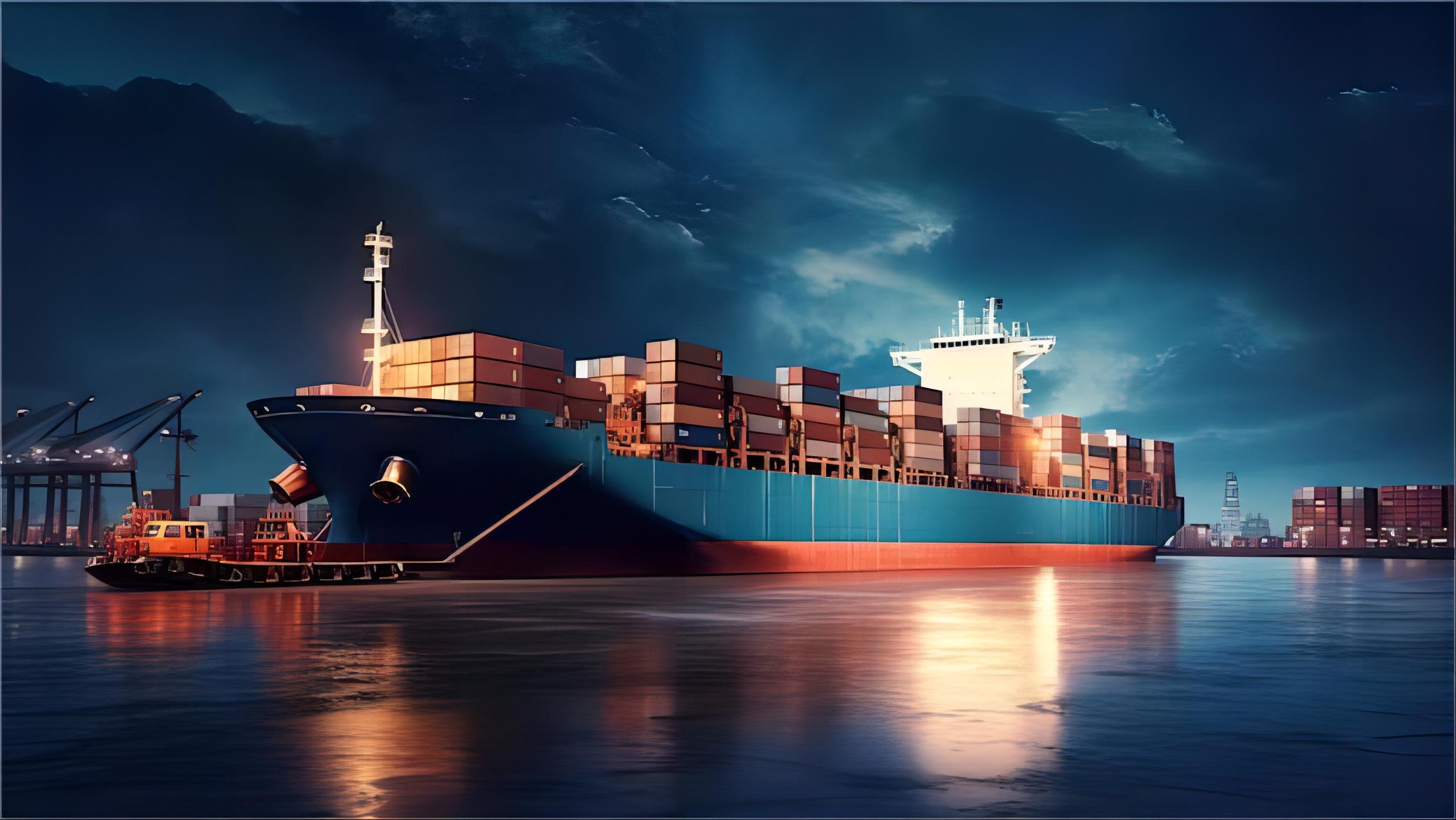
Ocean transport remains the most popular method for moving large volumes of goods across the globe due to its unmatched capacity. For instance, sea freight offers the lowest cost per unit when compared to any other mode of international transport. Additionally, modern container ships can carry thousands of TEUs (Twenty-foot Equivalent Units), making them ideal for massive inventory replenishments.
Consequently, businesses that plan their inventory cycles in advance can take full advantage of these lower rates. On the other hand, the longer transit times associated with sea travel require a more robust forecasting model to prevent stockouts. Nevertheless, for heavy or oversized items, the sea is often the only feasible option available to logistics managers.
In addition, the environmental impact of maritime shipping is significantly lower per ton-mile than air transport. Thus, companies looking to improve their sustainability profiles often prioritize sea routes for their primary supply lines. Without a doubt, the reliability of scheduled sailings from major Chinese hubs like Shanghai and Ningbo provides a solid foundation for global trade.
How Does Business Shipping from China Bulk Shipping Compare to Other Options?
Comparing different transport modes is essential for determining the best fit for your specific business requirements and budget. While sea freight is the gold standard for bulk, air freight provides a rapid alternative for high-value or time-sensitive components. However, the cost difference is substantial, often making air freight prohibitive for low-margin bulk commodities.
Furthermore, rail freight has emerged as a middle-ground solution for shipments destined for Europe, offering faster speeds than the sea at lower costs than air. For example, the China-Europe Railway Express can cut transit times by half compared to ocean routes. Nevertheless, rail capacity is more limited and subject to geopolitical fluctuations across the Eurasian landmass.
As a result, many businesses are now exploring hybrid solutions like sea-air or rail-sea combinations to balance speed and cost. These alternative strategies allow for greater flexibility when port congestion or equipment shortages affect traditional routes. Indeed, having a diversified logistics portfolio is the best way to mitigate risks in the modern global market.
Which Option Should You Choose?
Selecting the right shipping method depends on several critical factors, including your budget, urgency, and the nature of the goods. If your primary goal is cost minimization, sea freight is almost always the recommended choice for bulk volumes. Conversely, if you are launching a new product with tight deadlines, the speed of air or express services might justify the higher expense.
Volume thresholds also play a significant role in this decision-making process. For shipments exceeding 15 cubic meters, a Full Container Load (FCL) usually provides better security and value than Less than Container Load (LCL) options. Additionally, for cargo exceeding 1000 kg, the price gap between air and sea becomes even more pronounced, favoring maritime transport.
Market data suggests that businesses should also consider the seasonality of freight rates. During the peak season from August to October, sea freight rates can spike by 25 percent or more. Therefore, booking your bulk shipments during the off-peak months of March through May can result in significant annual savings for your enterprise.
Essential Customs Documentation for Bulk Imports
Navigating the legal requirements of international trade is often the most challenging aspect of business shipping from China bulk shipping. Utilizing a professional customs brokerage service is highly recommended to ensure all paperwork is filed accurately and on time. For instance, a missing Commercial Invoice or an incorrectly labeled Packing List can lead to weeks of delays at the port of entry.
Furthermore, specific products may require specialized certificates, such as a Certificate of Origin or a Bill of Lading that clearly states the cargo’s characteristics. Without a doubt, the complexity of Harmonized System (HS) codes requires expert knowledge to avoid overpaying duties or facing penalties for misclassification. Consequently, investing in proper documentation prep is a vital part of your risk management strategy.
Moreover, importers must stay updated on changing trade policies and tariff structures between China and their home countries. In addition, digital customs filing systems are becoming the standard, requiring businesses to maintain electronic records of all transactions. To summarize, clear communication with your freight forwarder regarding compliance will prevent most common shipping hurdles.
Managing Logistics for Amazon FBA Sellers
E-commerce businesses utilizing the Amazon FBA program face unique challenges when shipping in bulk from China. Amazon has strict requirements regarding palletization, labeling, and delivery windows that must be strictly followed to avoid rejection at the fulfillment center. Additionally, many sellers choose to use a prep center in the destination country to inspect goods before they reach Amazon’s warehouse.
Meanwhile, managing the inventory flow to avoid long-term storage fees is a critical component of a successful FBA strategy. Therefore, many high-volume sellers utilize a mix of sea freight for their main stock and air freight for quick restocks of top-selling items. In addition, choosing a forwarder with specific experience in FBA logistics can significantly reduce the administrative burden on the seller.
Furthermore, the integration of tracking data from Chinese ports directly into management software provides better visibility into the supply chain. Consequently, sellers can adjust their marketing spend based on the expected arrival of new inventory. Indeed, the ability to synchronize bulk shipping with sales velocity is what separates top-tier Amazon businesses from their competitors.

The Importance of Door to Door Logistics
Simplified logistics solutions are increasingly popular for businesses that want to focus on sales rather than transport details. A comprehensive door to door service manages every step of the journey, from the factory floor in China to your final warehouse location. Moreover, this all-inclusive approach typically covers trucking, ocean freight, customs clearance, and final-mile delivery.
Accordingly, businesses can benefit from a single point of contact and one consolidated invoice for the entire process. Nevertheless, it is important to verify which Incoterms are being used, as DDP (Delivered Duty Paid) offers the most convenience but might carry higher service fees. On the other hand, the peace of mind provided by a managed end-to-end solution is often worth the additional cost for small to medium enterprises.
Finally, the rise of digital logistics platforms has made it easier to get real-time quotes for door-to-door services. For example, you can now compare the total landed cost of different routes in minutes rather than days. Without a doubt, streamlining your bulk shipping through a single provider reduces the risk of communication breakdowns between different logistics entities.
Real-World Case Studies in Bulk Logistics
Analyzing actual shipping scenarios provides valuable insights into the costs and timelines involved in business shipping from China bulk shipping. These examples reflect typical market conditions and highlight the importance of choosing the right container and route for your specific cargo type.
Case Study 1: Furniture Import to Europe. Route: Ningbo, China to Rotterdam, Netherlands. Cargo: Flat-pack furniture, 68 CBM. Container: 40HQ. Shipping Details: Direct carrier via COSCO. Ocean Freight: $3,400. Origin Charges: $450. Destination Charges: $600. Customs and Duties: $1,200. Total Landed Cost: $5,650. Timeline: 35 days total. Key Insight: Using a 40HQ container maximized the volume capacity for lightweight furniture, reducing the cost per unit significantly.
Case Study 2: Electronics to USA West Coast. Route: Shenzhen, China to Los Angeles, USA. Cargo: Consumer electronics, 25 CBM. Container: 20GP. Shipping Details: Transshipment via Busan. Ocean Freight: $2,100. Origin Charges: $380. Destination Charges: $550. Customs and Duties: $2,500. Total Landed Cost: $5,530. Timeline: 22 days total. Key Insight: Despite the higher duties, the shorter transit time to the West Coast allowed for faster inventory turnover during the holiday season.
Final Thoughts on Bulk Shipping Success
Mastering business shipping from China bulk shipping is an ongoing process of optimization and adaptation to market changes. By understanding the nuances of sea freight, staying compliant with customs, and choosing the right logistics partners, your business can achieve a significant competitive advantage. Additionally, utilizing the data-driven strategies and case studies discussed in this guide will help you make informed decisions for your next large-scale shipment.
Note: Freight rates are subject to change based on fuel costs, carrier capacity, and seasonal demand. Contact us for a current quote tailored to your specific shipment. Industry average for these routes suggests that early booking and container optimization are the most effective ways to manage your landed costs.

Get Your Shipping Quote Today
Are you ready to optimize your supply chain and reduce costs? Our team of experts is standing by to help you navigate the complexities of business shipping from China bulk shipping. Contact us today for a custom freight quote and professional logistics advice tailored to your specific needs. Visit: https://msc-logistics-group.com/
Request Quote