


LCL Shipping China 2026: The Ultimate Guide for Importers
Planning your logistics strategy for the upcoming year requires a deep understanding of market shifts and operational efficiencies. Navigating lcl shipping china 2026 effectively allows businesses to manage smaller inventory volumes without the high costs of full containers. At Logistics From China, we provide the expertise needed to streamline your supply chain and ensure your goods arrive safely and on time. This guide explores everything you need to know about consolidated shipping in the evolving global trade landscape.
What is LCL Shipping China 2026 and Why Does It Matter?
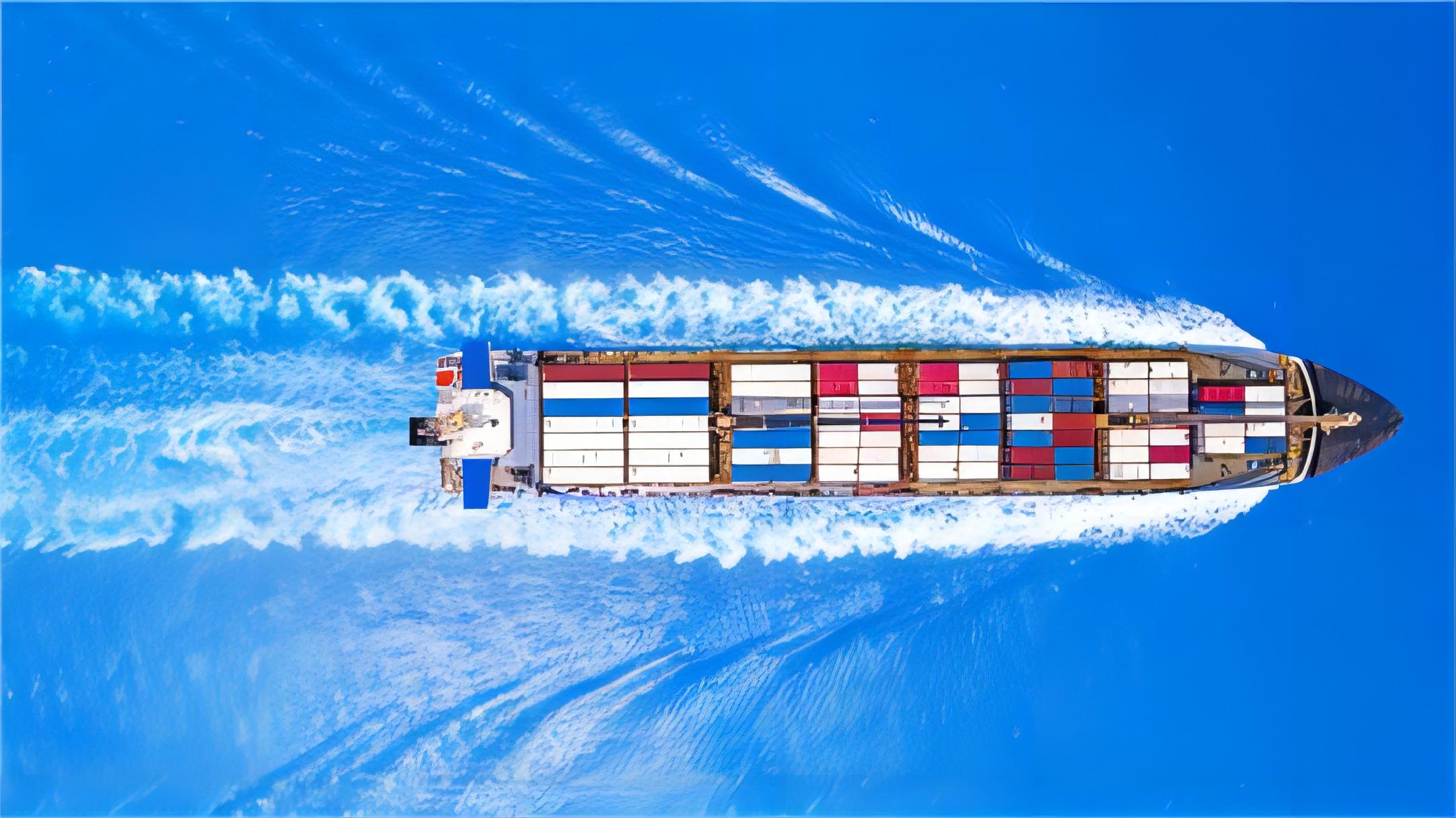
LCL stands for Less than Container Load, a method where multiple shippers share space within a single ocean container. This approach is particularly valuable for businesses that do not have enough cargo to fill a 20-foot or 40-foot box. Consequently, it offers a cost-effective way to transport smaller batches of goods across the ocean.
Moreover, the landscape of lcl shipping china 2026 is shaped by increased digitalization and smarter consolidation techniques. Shippers now benefit from real-time tracking and more predictable scheduling than in previous years. Therefore, understanding these nuances is critical for maintaining a competitive edge in the international market.
Additionally, many companies use this method to test new products without committing to massive inventory orders. This flexibility allows for better cash flow management and reduced warehousing risks. Indeed, the ability to ship smaller volumes frequently is a cornerstone of modern lean supply chain management.
How Does LCL Shipping Compare to Other Shipping Options?
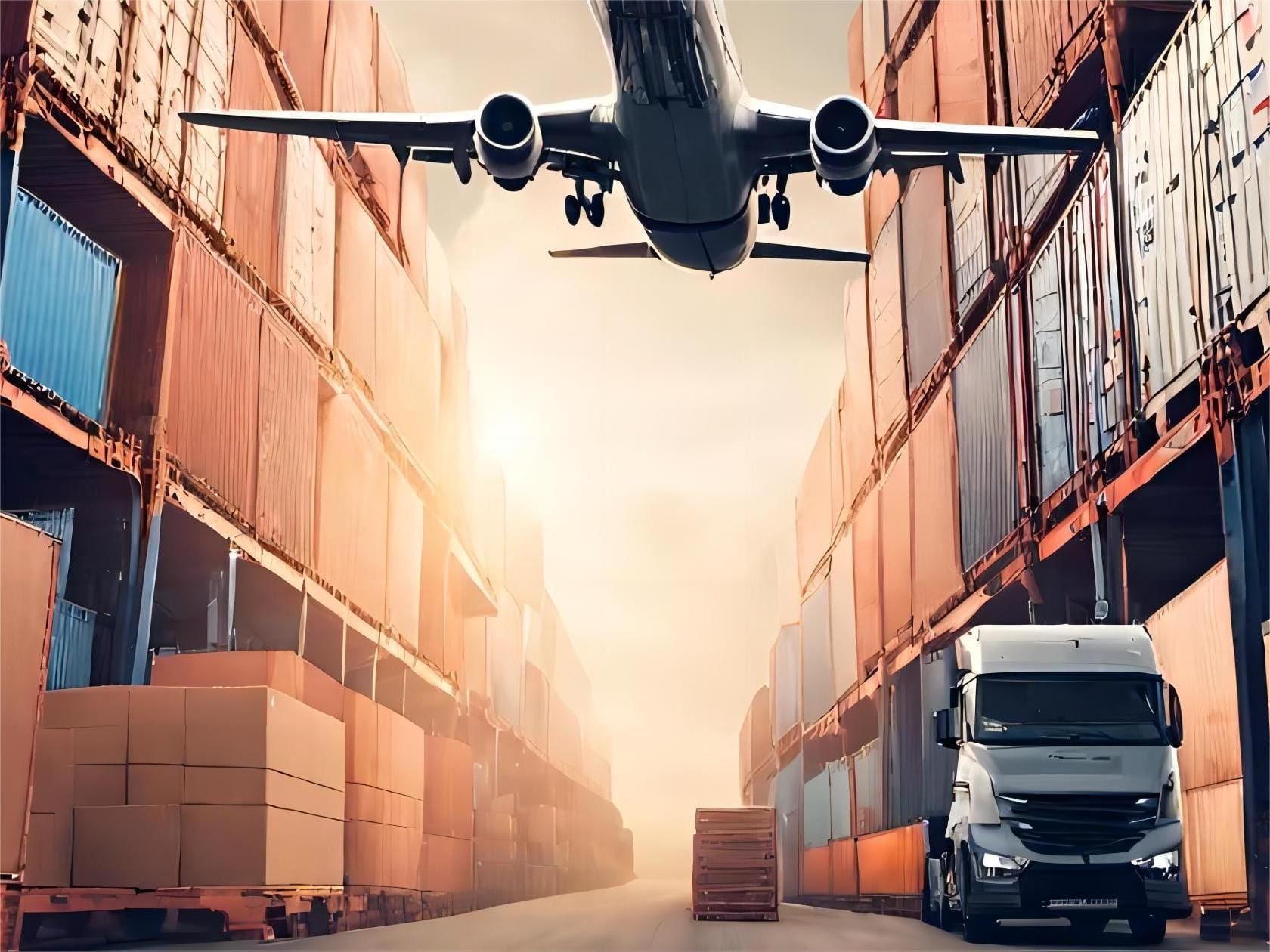
Choosing the right transportation mode depends on your budget, timeline, and cargo volume. While sea freight remains the most popular choice, it is essential to weigh it against air and rail alternatives. Each method serves a specific purpose in the global logistics network.
For instance, air freight is significantly faster but much more expensive for heavy items. On the other hand, rail freight offers a middle ground for shipments to Europe, though it is not available for all destinations. Consequently, LCL shipping often provides the best balance of cost and capacity for non-urgent maritime transport.
Furthermore, comparing LCL to FCL is vital for growing businesses. Once your shipment exceeds 15 cubic meters, the price gap between sharing a container and booking a full one narrows significantly. As a result, you should regularly analyze your shipping volumes to determine when to switch methods.
| Shipping Method | Cost Range | Transit Time | Best For |
|---|---|---|---|
| LCL Sea Freight | Low ($50-150/CBM) | 20-45 Days | Small shipments |
| FCL Sea Freight | Medium ($1500-4000) | 18-40 Days | Bulk inventory |
| Air Freight | High ($4-8/kg) | 3-7 Days | Urgent goods |
| Rail Freight | Mid ($100-200/CBM) | 15-22 Days | European land routes |
Key Market Trends for LCL Shipping China 2026
As we look toward 2026, several trends are influencing how cargo moves from China to the world. Firstly, green logistics is no longer optional, as carriers adopt low-carbon fuels and carbon offset programs. Consequently, shippers may see small environmental surcharges integrated into their freight quotes.
Secondly, automation in consolidation warehouses has reduced the risk of cargo handling errors. This means your goods are processed faster and with greater accuracy during the loading phase. Meanwhile, geopolitical shifts continue to influence port choices and route stability across the Pacific and Indian Oceans.
Finally, the rise of e-commerce continues to drive the demand for frequent, smaller shipments. Many platforms now require sellers to maintain stock levels that favor LCL over large FCL batches. Therefore, mastering the LCL process is essential for anyone involved in global retail.
LCL vs FCL: Which Option Should You Choose?
Determining whether to use LCL or Full Container Load (FCL) requires a calculation of your total cargo volume in cubic meters (CBM). If your shipment is under 15 CBM, LCL is generally the more economical choice. However, once you reach higher volumes, paying for the entire container becomes more efficient.
Another factor to consider is the risk of damage or delay. Because LCL involves multiple shipments in one box, the container must be opened and sorted at a container freight station (CFS). In contrast, FCL remains sealed from the origin to the destination, which can reduce handling risks. Visit our Door to Door service page to see how we manage these risks for you.
Furthermore, transit times for LCL are often slightly longer due to the consolidation and deconsolidation process. You must account for an extra 5 to 7 days for these warehouse operations. Nevertheless, the cost savings for smaller loads often outweigh the slightly longer delivery window.
Cost Breakdown: Understanding Freight Rates and Surcharges
Shipping costs are composed of several elements beyond the basic ocean freight rate. You must also account for origin charges, destination fees, and potential customs duties. In the context of lcl shipping china 2026, rates are expected to stay relatively stable compared to the volatility of previous years.
Specifically, the cubic meter (CBM) is the standard unit of measurement for LCL pricing. However, carriers also apply a weight/measurement rule, where 1000kg is often treated as 1 CBM. Consequently, if you ship very heavy but small items, you might be charged based on weight rather than volume.
Typical destination charges include terminal handling fees, documentation fees, and warehouse storage costs. These can sometimes exceed the ocean freight itself if not properly managed. Therefore, always request a comprehensive quote that includes all ‘landed cost’ components.
| Route | Est. Cost per CBM | Transit Time | Port of Loading |
|---|---|---|---|
| China to USA West | $60 – $90 | 15-20 Days | Shanghai/Ningbo |
| China to USA East | $90 – $130 | 30-35 Days | Shenzhen/Xiamen |
| China to UK/Europe | $70 – $110 | 32-40 Days | Qingdao/Shanghai |
| China to Australia | $40 – $70 | 14-18 Days | Guangzhou/Shenzhen |
Transit Times and Regional Insights for 2026
Shipping to North America usually takes between 15 and 35 days depending on the specific coast. West Coast ports like Los Angeles are faster, while East Coast ports require passage through the Panama Canal. Consequently, your choice of port significantly impacts your overall delivery schedule.
Meanwhile, shipments to Europe often take 30 to 40 days. Factors such as canal transit times and port congestion in hubs like Rotterdam or Hamburg can influence these durations. Indeed, planning for a buffer of at least one week is a wise strategy for any international shipment.
Note: Freight rates and transit times are subject to change based on fuel costs, carrier capacity, and seasonal demand. Contact us for a current quote tailored to your specific shipment. Market data suggests that peak seasons in late Q3 typically see a 20 percent increase in both costs and delays.
Customs and Documentation Checklist for LCL Cargo
Proper documentation is the foundation of a smooth import process. Without the correct paperwork, your cargo could face lengthy delays or expensive fines at the border. Therefore, working with a professional Customs Brokerage is highly recommended for all importers.
The most critical documents include the Bill of Lading, Commercial Invoice, and Packing List. Additionally, certain products may require certificates of origin or specific safety permits. Furthermore, ensuring that your H.S. codes are accurate will prevent miscalculation of duties and taxes.
Moreover, in 2026, many customs authorities are moving toward fully digital submission systems. This change requires shipppers to provide data well in advance of the ship’s arrival. Consequently, any errors in the initial documentation can be harder to correct once the vessel has departed.
| Document Name | Required By | Purpose | Criticality |
|---|---|---|---|
| Bill of Lading | Carrier/Customs | Title of goods | Essential |
| Commercial Invoice | Customs | Tax valuation | Essential |
| Packing List | Warehouse | Cargo verification | High |
| CO (Cert. Origin) | Customs | Trade agreements | Optional |
Real-World Case Studies in LCL Shipping
Case Study 1: Electronics Distribution to New York. Route: Shenzhen to New York. Cargo: 4 CBM of consumer electronics. Shipping Method: LCL Sea Freight. Total Cost: $1,150. Transit Time: 34 days. Key Insight: Consolidating multiple small orders into one LCL shipment saved the client 40 percent compared to air freight.
Case Study 2: Home Decor to Hamburg. Route: Ningbo to Hamburg. Cargo: 8 CBM of wooden furniture. Shipping Method: LCL Sea Freight. Total Cost: $980. Transit Time: 38 days. Key Insight: By using a professional consolidation service, the importer avoided high destination fees and ensured safe handling of fragile items.
Case Study 3: Apparel for Amazon FBA. Route: Shanghai to Los Angeles. Cargo: 2 CBM of clothing. Shipping Method: LCL with last-mile delivery. Total Cost: $450. Transit Time: 22 days. Key Insight: Utilizing a specialized FCL-to-LCL strategy allowed the seller to restock quickly during the peak holiday season without overcommitting on inventory.

Alternative Strategies and Hybrid Solutions
Sometimes, standard LCL is not the most efficient path for your specific needs. For example, sea-air hybrid solutions can offer a compromise between speed and cost. You might ship goods by sea from China to a hub like Dubai and then fly them the rest of the way to Europe.
Additionally, for those selling on platforms like Amazon, our Amazon FBA services provide tailored consolidation. This ensures that your LCL cargo meets all the strict labeling and palletizing requirements of the fulfillment centers. Consequently, you avoid the headaches of rejected shipments at the warehouse gate.
Finally, consider the ‘Direct LCL’ option whenever possible. Some forwarders offer direct consolidation from major Chinese ports to specific destination cities without intermediate transshipment. Although these routes might have a slightly higher base rate, they drastically reduce the risk of damage and shave days off the transit time.
Final Thoughts on Navigating LCL Shipping in 2026
In conclusion, mastering lcl shipping china 2026 is an essential skill for any modern importer. By understanding the balance between cost, speed, and volume, you can build a more resilient and flexible supply chain. Transitioning to smarter consolidation methods will undoubtedly provide your business with a competitive advantage.
Always remember to stay informed about market trends and maintain clear communication with your logistics provider. Whether you are shipping small electronics or bulk textiles, the right strategy makes all the difference. We look forward to helping you navigate the waters of international trade with confidence and ease.
Ready to streamline your logistics?
Are you ready to optimize your supply chain for the future? Contact us today to receive a customized quote for your lcl shipping china 2026 needs and experience seamless global logistics. Let our experts handle the complexity while you focus on growing your business.
Request Quote