

China Logistics Company UK: Expert Shipping and Freight Solutions
Finding a dependable china logistics company uk is the fundamental step toward building a resilient international supply chain. Many businesses struggle with complex customs regulations and fluctuating shipping costs when importing goods from Asia. Consequently, this guide provides a comprehensive overview of how to navigate logistics between China and the United Kingdom effectively. Moreover, selecting the right partner ensures that your cargo arrives safely and on schedule. We aim to clarify the complexities of global trade for UK-based importers.
Why You Need a Specialized China Logistics Company UK
Navigating the vast landscape of international trade requires more than just a carrier; it requires a strategic partner. A specialized logistics provider understands the nuances of both Chinese export laws and British import requirements. Furthermore, they offer tailored solutions that can significantly reduce your overhead costs. Indeed, the right company acts as a bridge between your suppliers and your customers.

Choosing a local expert helps mitigate risks associated with port congestion and documentation errors. For instance, many shipments face delays simply because of incorrect HS codes or missing commercial invoices. Therefore, working with an experienced team ensures that every piece of paperwork is meticulously checked. Additionally, these providers often have established relationships with major carriers, granting you access to better rates.
Specifically, a China logistics company UK focuses on the unique trade lane connecting these two economic powerhouses. They provide real-time tracking and localized support, which is essential for managing time-sensitive inventory. As a result, you can focus on growing your business while the logistics experts handle the heavy lifting. Nevertheless, the quality of service varies greatly across the industry, making careful selection vital.
Comparing Shipping Methods: Sea, Air, and Rail Freight
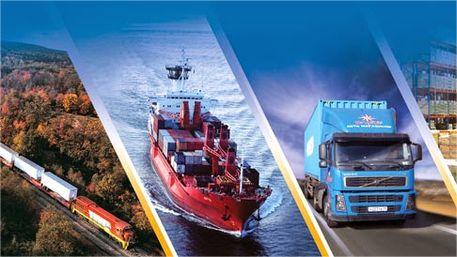
Determining the best mode of transport depends largely on your budget, cargo volume, and required speed. For most heavy or bulky items, sea freight remains the most cost-effective solution for long-distance transport. On the other hand, businesses dealing with high-value or perishable goods often prefer air freight to minimize transit times. Each method offers distinct advantages and trade-offs.
Sea freight is generally divided into Full Container Load (FCL) and Less than Container Load (LCL) options. If you have enough cargo to fill a 20ft or 40ft container, FCL provides the best security and price per unit. However, for smaller shipments, LCL allows you to share container space with other importers, which reduces costs for low-volume orders. Meanwhile, air freight provides unparalleled speed, often delivering goods within a week.
Rail freight has emerged as an excellent middle-ground option for those shipping to Europe and the UK. It is faster than the ocean and significantly cheaper than the air. Consequently, it has become a popular choice for electronics and automotive parts. In addition to these traditional methods, express services are available for small parcels and urgent documents.
| Method | Cost Range | Transit Time | Best For |
|---|---|---|---|
| Sea Freight | $2,000 – $4,500 | 30-40 Days | Bulk goods and large volumes |
| Air Freight | $5 – $12 per kg | 3-7 Days | High-value or urgent items |
| Rail Freight | $1,500 – $3,000 | 18-25 Days | Medium-weight industrial goods |
| Express | $8 – $15 per kg | 2-4 Days | Samples and small parcels |
Understanding the Costs: Freight Rates from China to the UK
Calculating the total landed cost of your goods involves more than just the base freight rate. You must also account for port charges, fuel surcharges, and local delivery fees. Furthermore, currency fluctuations can impact your final bill unexpectedly. Therefore, it is essential to request a comprehensive quote that includes all potential surcharges to avoid hidden fees.
Typical rates as of early 2025 show that a 40HQ container from Shanghai to Felixstowe ranges between $3,500 and $4,500 depending on the season. During peak periods, such as the lead-up to the Chinese New Year or the Q4 holiday rush, prices can spike by 20% or more. Accordingly, booking your shipment at least 3-4 weeks in advance is recommended to secure space and stable pricing.
Note: Freight rates are subject to change based on fuel costs, carrier capacity, and seasonal demand. Contact us for a current quote tailored to your specific shipment. Additionally, consider the impact of UK VAT and import duties, which are calculated based on the value of the goods plus the shipping cost.
Essential Customs Documentation for UK Imports
Clearing customs is often the most challenging part of the international shipping process. Without the correct documentation, your cargo could be held at the port, leading to expensive demurrage and detention charges. Consequently, using a professional customs brokerage service is highly recommended for most businesses. They ensure compliance with all HMRC regulations.
Primary documents required for UK imports include the Commercial Invoice, Packing List, and Bill of Lading. You will also need an EORI number to trade goods into or out of the UK. Furthermore, certain products like chemicals or food items may require specific health certificates or import licenses. Indeed, preparation is the key to a smooth clearance process.
Moreover, you should verify the commodity codes for your products to ensure you are paying the correct amount of duty. Incorrect classification can lead to audits and heavy fines from the authorities. In contrast, a well-organized documentation file allows the customs officer to process your shipment quickly. Always keep digital copies of all records for at least six years to comply with UK law.
| Document | Purpose | Source | Requirement |
|---|---|---|---|
| Bill of Lading | Title to goods | Carrier | Mandatory |
| Commercial Invoice | Value declaration | Supplier | Mandatory |
| Packing List | Cargo details | Supplier | Mandatory |
| EORI Number | UK ID for trade | HMRC | Mandatory |
How Does Sea Freight Compare to Other Shipping Options?
While sea freight is the backbone of global trade, it is not always the most efficient choice for every scenario. For instance, if you are shipping a single pallet of high-demand fashion items, the 35-day transit time of a ship might result in lost sales. In such cases, rail freight offers a competitive alternative by cutting transit time by nearly half. However, sea freight remains unbeatable for massive volumes of low-margin goods.
Comparing sea to air reveals a massive price disparity that businesses must carefully weigh. While sea freight for a 40HQ might cost $4,000, air freight for the same volume could exceed $25,000. Therefore, air freight is usually reserved for emergency restocks or very high-value electronics. Meanwhile, sea freight allows for a much lower cost per unit, which is vital for maintaining competitive retail pricing.
Direct shipping routes from China to major UK ports like Southampton or London Gateway typically save 5-7 days compared to transshipment routes. Although direct routes cost 10-15% more, the increased reliability often justifies the expense. On the other hand, transshipment via Singapore or Colombo can offer significant savings for businesses with flexible timelines. Ultimately, the choice depends on your specific balance of cost versus speed.

Which Option Should You Choose? Decision Framework
Budget priority: If your primary goal is to minimize costs, choose sea freight LCL for small shipments or FCL for larger ones. This method provides the lowest possible shipping rates for long-haul routes. However, you must plan your inventory cycles to accommodate the longer lead times. For shipments under 15 CBM, LCL at $60-90/CBM is often more economical than a full container.
Speed priority: When time is of the essence, air freight is the only viable solution. It ensures your products reach the UK market in days rather than weeks. This is particularly effective for product launches or seasonal peaks. Additionally, rail freight serves as a ‘best of both worlds’ solution for those who need more speed than a ship but cannot afford air rates.
Cargo type considerations: Heavy machinery and raw materials are almost always better suited for sea freight due to weight restrictions on planes and trains. In contrast, fragile electronics or high-end consumer goods benefit from the smoother handling and shorter transit of air transport. Furthermore, for those selling on online platforms, Amazon FBA specialized logistics can streamline the entire process from factory to warehouse.
Real Case Studies: Successful Shipments to the UK
Case Study 1: Electronics Distribution to London. Route: Shenzhen, China to Felixstowe, UK. Cargo: Consumer electronics, 15 CBM, 3,500 kg. Container: LCL. Shipping Details: Major carrier, Port of Loading: Shenzhen, Port of Discharge: Felixstowe, Route Type: Direct. Cost Breakdown: Ocean Freight: $1,250; Origin Charges: $350; Destination Charges: $450; Total Landed Cost: $2,050. Timeline: 34 days door-to-door. Key Insight: Consolidating multiple small orders into one LCL shipment saved the client 25% compared to individual express shipments.
Case Study 2: Textile Import for Retail Chain. Route: Ningbo, China to Southampton, UK. Cargo: Apparel and home textiles, 68 CBM. Container: 40HQ FCL. Shipping Details: COSCO, Port of Loading: Ningbo, Port of Discharge: Southampton, Route Type: Direct. Cost Breakdown: Ocean Freight: $3,800; Origin Charges: $400; Destination Charges: $550; Total Landed Cost: $4,750. Timeline: 31 days door-to-door. Key Insight: Booking during the off-peak season in Q2 allowed the client to lock in a rate 15% lower than the annual average.
Tips for Reducing Shipping Costs from China
Optimizing your packaging can lead to significant savings, especially when shipping via LCL or air freight. By reducing the dead space in your boxes, you can fit more units into the same volume. Moreover, consider using lightweight but durable materials to lower the total weight of the shipment. This simple adjustment can decrease your freight bill by 5-10% over time.
Consolidating shipments is another powerful strategy for cost reduction. Instead of shipping three small orders separately, wait until they are all ready and ship them as one larger LCL or FCL load. Consequently, you will save on fixed documentation fees and port handling charges. Furthermore, negotiating Incoterms like FOB (Free on Board) instead of EXW (Ex Works) can give you more control over the shipping process and costs.
Finally, stay informed about market trends and seasonal fluctuations. Avoiding the weeks immediately following the Golden Week holiday or the Chinese New Year can save you from paying peak season surcharges. Meanwhile, maintaining a good relationship with your China logistics company UK can lead to loyalty discounts and priority space allocation during busy periods. Indeed, proactive planning is the most effective way to manage your logistics budget.
Mastering Your UK Logistics Strategy
To summarize, navigating the complexities of international trade requires a combination of strategic planning and expert partnership. By understanding the differences between sea, air, and rail freight, you can make informed decisions that benefit your bottom line. Furthermore, ensuring your documentation is accurate will prevent costly delays at the UK border.
Ultimately, a reliable <a href=”https://msc-logistics-group.com/”>china logistics company uk</a> serves as an essential asset for any business importing from Asia. Whether you are a small startup or a large enterprise, the right logistics strategy will provide you with a competitive edge in the British market. Stay proactive, monitor market rates, and always prioritize transparency in your shipping operations.

Ready to streamline your logistics?
Are you ready to streamline your supply chain and reduce your shipping overhead? Contact our expert team today for a personalized quote from a leading china logistics company uk and discover the most efficient way to move your goods. Send Inquiry: https://msc-logistics-group.com/
Request Quote