

China to USA Shipping Factory Shipping: 2025 Comprehensive Logistics Guide
China to USA shipping factory shipping represents the vital link in the modern global supply chain for thousands of American businesses. Navigating the logistics from Logistics From China ensures that your products move seamlessly from the manufacturing floor to the end consumer. Consequently, understanding the nuances of freight forwarding, customs clearance, and transit modes is essential for maintaining a competitive edge in today’s market.
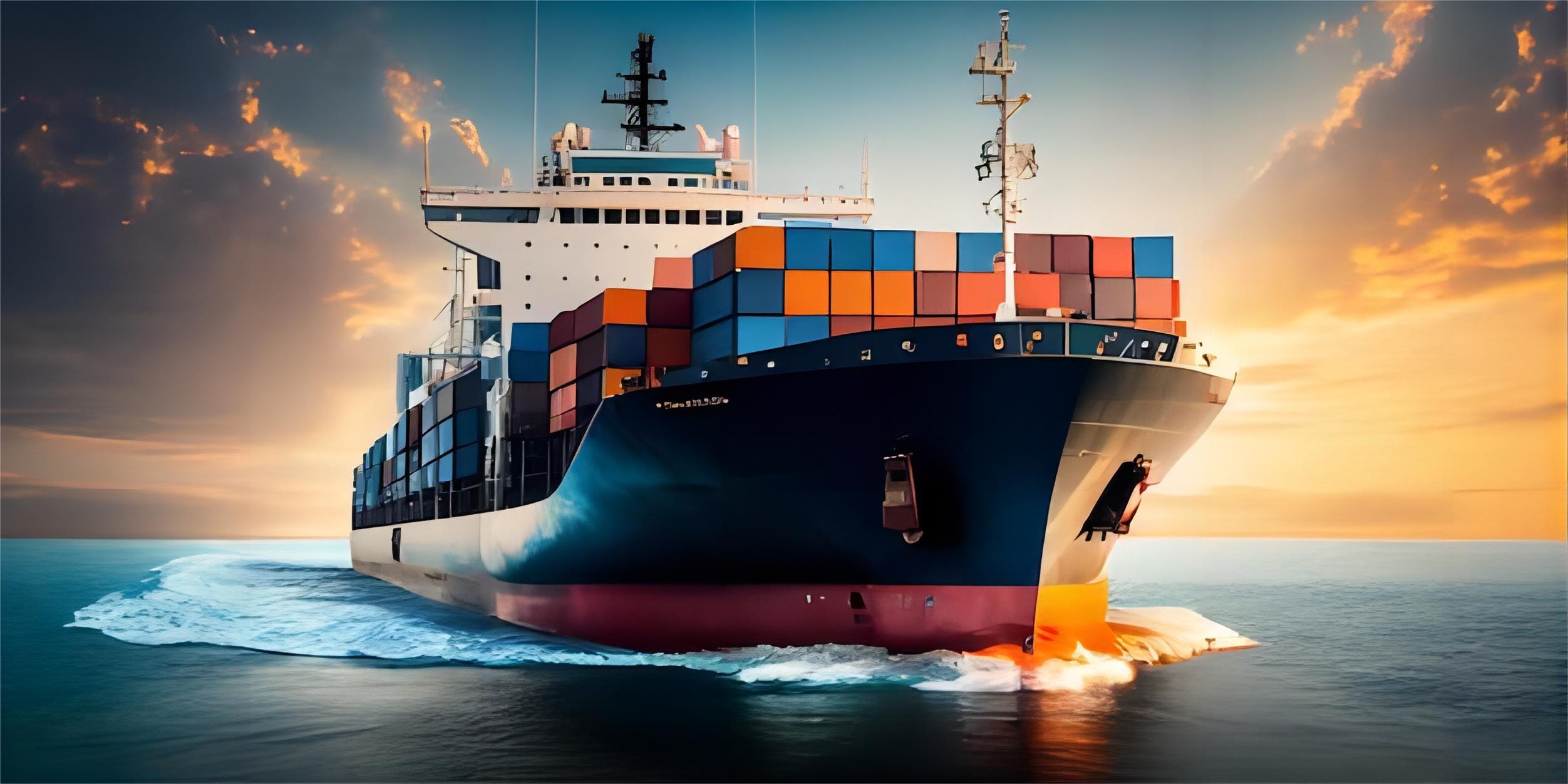
Understanding China to USA Shipping Factory Shipping
Factory direct shipping involves moving goods directly from the production site in China to a destination in the United States. This method reduces handling time and minimizes the risk of damage during transit between multiple warehouses. Moreover, it allows importers to maintain better control over their inventory levels and delivery schedules.
Choosing the right logistics partner is the first step toward a successful import strategy. Reliable freight forwarders provide the necessary infrastructure to manage large volumes of cargo while navigating complex international regulations. Therefore, businesses must evaluate their shipping needs based on volume, budget, and urgency.
The process typically begins with the factory completing the production run and preparing the goods for export. Specifically, this includes packing, labeling, and palletizing the items according to international standards. In addition, the supplier must coordinate with the logistics provider to arrange for pickup and transport to the nearest port of loading.
Effective communication between the factory and the shipping agent is crucial for avoiding delays. For example, any discrepancies in the packing list can lead to significant issues during customs inspections. Consequently, many successful importers implement strict quality control and documentation protocols at the factory level.
How Does Factory Shipping Compare to Other Shipping Options?
Comparing different transportation modes is essential for optimizing your logistics budget and timeline. While sea freight is the most common choice for factory shipping, other methods offer unique advantages depending on the scenario. Indeed, the choice between sea, air, and express services often dictates the overall profitability of a shipment.
Sea freight offers the lowest cost per unit for large volumes of goods. However, it requires significantly longer transit times, which may not be suitable for time-sensitive products. On the other hand, air freight provides rapid delivery but at a much higher price point.
Alternative strategies such as sea-air hybrid solutions can offer a middle ground. These services combine the cost-effectiveness of ocean transport with the speed of air delivery for the final leg. Furthermore, direct factory-to-door services simplify the supply chain by removing intermediate storage steps.
| Sea Freight (FCL) | $2,500 – $6,000 | 18 – 40 Days | Bulk inventory and large items |
| Sea Freight (LCL) | $50 – $150 per CBM | 25 – 45 Days | Small to medium shipments |
| Air Freight | $4.50 – $9.00 per kg | 5 – 10 Days | High-value or urgent goods |
| Express Service | $7.00 – $12.00 per kg | 3 – 5 Days | Samples and small parcels |

Which Option Should You Choose?
Determining the best shipping method requires a clear decision framework based on your specific business goals. If your priority is budget, sea freight is almost always the superior choice for shipments exceeding 2 CBM. Conversely, if speed is the primary concern, air cargo or express services are necessary to meet tight deadlines.
Cargo type also plays a significant role in the decision-making process. For instance, hazardous materials or oversized machinery may be restricted to specific ocean vessels. Additionally, fragile items might benefit from the reduced handling associated with air transport.
Volume thresholds often dictate when it is more economical to switch from LCL to FCL. Generally, once a shipment reaches 15 CBM, a 20GP container becomes more cost-effective than paying for individual cubic meters. Therefore, consolidating multiple factory orders into a single container can lead to substantial savings.
Breaking Down Ocean Freight and Air Cargo Costs
Understanding the cost components of China to USA shipping factory shipping is vital for accurate landed cost calculations. Ocean freight rates are influenced by fuel surcharges, seasonal demand, and port congestion levels. In fact, rates can fluctuate by as much as 30% during the peak season between August and October.
As of early 2025, market data suggests that rates have stabilized following the disruptions of previous years. However, importers should still account for origin charges, such as trucking from the factory and terminal handling fees. In addition, destination charges in the US, including port fees and final mile delivery, must be included in the budget.
Air freight pricing is primarily based on chargeable weight, which is the greater of actual weight or volumetric weight. Consequently, lightweight but bulky items can be surprisingly expensive to ship by air. To summarize, always request a comprehensive quote that includes all potential surcharges.
| China to USA West | $1,600 – $2,300 | $2,900 – $3,900 | 14 – 20 Days |
| China to USA East | $2,600 – $3,600 | $4,600 – $6,100 | 28 – 38 Days |
| China to USA Gulf | $2,400 – $3,400 | $4,400 – $5,800 | 32 – 42 Days |
Essential Customs Documentation for American Importers
Navigating the legal requirements for importing goods into the United States is a critical aspect of factory shipping. Utilizing a professional customs brokerage service can prevent costly delays and fines. Specifically, the US Customs and Border Protection (CBP) requires accurate and timely submission of several key documents.
The Commercial Invoice and Packing List are the most fundamental documents required for every shipment. These must clearly state the value, description, and quantity of the goods being imported. Furthermore, the Bill of Lading serves as the contract of carriage and the title to the goods.
Importers must also ensure they have a valid Customs Bond in place before the goods arrive at the US port. This bond guarantees that all duties and taxes will be paid to the government. In summary, thorough preparation of documentation is the best way to ensure a smooth clearance process.
| Commercial Invoice | Value declaration | Factory / Supplier | Before shipping |
| Packing List | Detailed item count | Factory / Supplier | Before shipping |
| Bill of Lading | Proof of carriage | Carrier / Agent | At departure |
| ISF (10+2) | Security filing | Importer / Broker | 24h before loading |

Real-World Logistics Case Studies
Analyzing real-world examples provides valuable insights into the practical challenges and successes of factory shipping. These cases reflect typical scenarios encountered by businesses importing from China to the United States in the current market environment.
Case Study 1: Electronics Shipment from Shenzhen to Los Angeles. Route: Shenzhen, China to Los Angeles, USA. Cargo: Consumer electronics, 28 CBM, 6500 kg. Container: 40HQ. Shipping Details: Direct sea freight via major carrier. Cost Breakdown: Ocean Freight $3,400, Origin Charges $450, Destination Charges $700, Customs and Duties $2,200, Total Landed Cost $6,750. Timeline: Booking to Loading 4 days, Sea Transit 16 days, Customs Clearance 2 days, Total Door-to-Door 22 days. Key Insight: Early booking during the Q3 peak season saved the client 15% on freight rates.
Case Study 2: Textile Import from Ningbo to Savannah. Route: Ningbo, China to Savannah, USA. Cargo: Cotton apparel, 12 CBM, 2400 kg. Container: LCL (Less than Container Load). Shipping Details: Transshipment via Busan. Cost Breakdown: Ocean Freight $1,100, Origin Charges $300, Destination Charges $550, Customs and Duties $1,400, Total Landed Cost $3,350. Timeline: Booking to Loading 6 days, Sea Transit 34 days, Customs Clearance 3 days, Total Door-to-Door 43 days. Key Insight: Consolidating multiple factory orders into one LCL shipment reduced documentation fees by 40%.
Note: Freight rates are subject to change based on fuel costs, carrier capacity, and seasonal demand. Contact us for a current quote tailored to your specific shipment.
Managing Amazon FBA and Door to Door Requirements
For e-commerce sellers, Amazon FBA shipping requires specialized handling and labeling. Factories in China must adhere to strict Amazon standards to avoid rejection at the fulfillment center. Consequently, working with a forwarder experienced in FBA logistics is essential.
A door to door service simplifies the process by handling every step from the factory to the final US warehouse. This inclusive approach covers trucking, export clearance, ocean freight, and final delivery. Moreover, it provides the importer with a single point of contact for the entire journey.
Transitioning from factory pickup to the final mile requires precise coordination. For example, the carrier must schedule delivery appointments with Amazon or private warehouses well in advance. Therefore, proactive tracking and management are necessary to avoid storage fees at the port.
Strategic Tips for Reducing Factory Shipping Costs
Reducing logistics expenses is a primary goal for any importer looking to increase margins. One effective strategy is to optimize the packaging at the factory to maximize container utilization. Specifically, reducing excess air in boxes can lead to shipping more units in the same space.
Negotiating Incoterms is another critical factor in cost management. While many factories prefer CIF, opting for FOB allows the importer to choose their own forwarder and control the costs more effectively. In addition, avoiding shipments during Chinese holidays, such as Golden Week, can prevent price spikes.
Implementing a long-term logistics strategy rather than relying on spot rates can provide more stability. For instance, signing a service contract with a freight forwarder can lock in rates for a set period. Consequently, businesses can better forecast their expenses and avoid market volatility.
Mastering Your Factory to USA Supply Chain
Successfully managing China to USA shipping factory shipping requires a combination of strategic planning, reliable partnerships, and a deep understanding of the logistics landscape. By choosing the right shipping method and ensuring accurate documentation, you can significantly reduce risks and costs.
As market conditions continue to evolve in 2025, staying informed about industry trends and seasonal patterns will remain crucial. Whether you utilize sea freight for bulk orders or air cargo for urgent needs, the goal is to create a resilient and efficient supply chain. Partnering with experienced professionals is the best way to navigate these complexities and ensure your goods arrive on time and within budget.
Ready to streamline your logistics?
Ready to streamline your factory logistics? Contact us today to receive a customized quote for your China to USA shipping factory shipping needs. Let our experts handle the complexity while you focus on growing your business. Visit our inquiry page to start: https://msc-logistics-group.com/
Request Quote