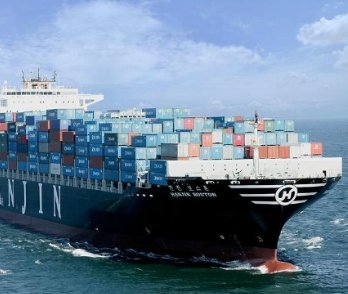
Turkmenistan has become an important market for Msc-Logistics-Group, and we are committed to providing fast and reliable shipping solutions to this region. Through our strategic partnerships with leading carriers such as COSCO, OOCL, APL, EMC, MSK, and HMM, we offer highly competitive rates for transporting goods from China to any Turkmenistan port.
By choosing Msc-Logistics-Group, you can simplify your shipping process. From pick-up in China to final delivery in Turkmenistan, we manage every aspect of your shipment, ensuring your goods reach their destination safely and on time. Let us handle the logistics so you can focus on your business—request a tailored quote today for a seamless shipping experience.
Msc-Logistics-Group offers cost-effective ocean freight services from China to Turkmenistan, tailored to meet your specific needs. Whether you are shipping to the key ports or inland destinations, we ensure that every shipment is handled with care and precision. Our customized solutions guarantee reliable, timely delivery at the best possible rates.
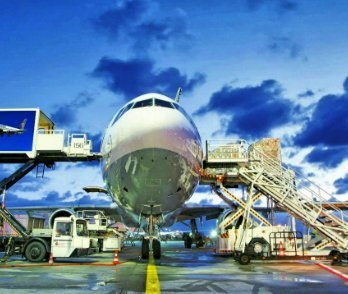
For time-sensitive shipments, Msc-Logistics-Group provides efficient and fast air freight services. We select the best airline based on your delivery schedule and cargo requirements, ensuring that your goods arrive quickly and securely, no matter the size or urgency.

Msc-Logistics-Group provides end-to-end door-to-door shipping services, ensuring a smooth and hassle-free experience. Our comprehensive service includes customs clearance in both China and Turkmenistan, so your cargo is handled efficiently from start to finish.
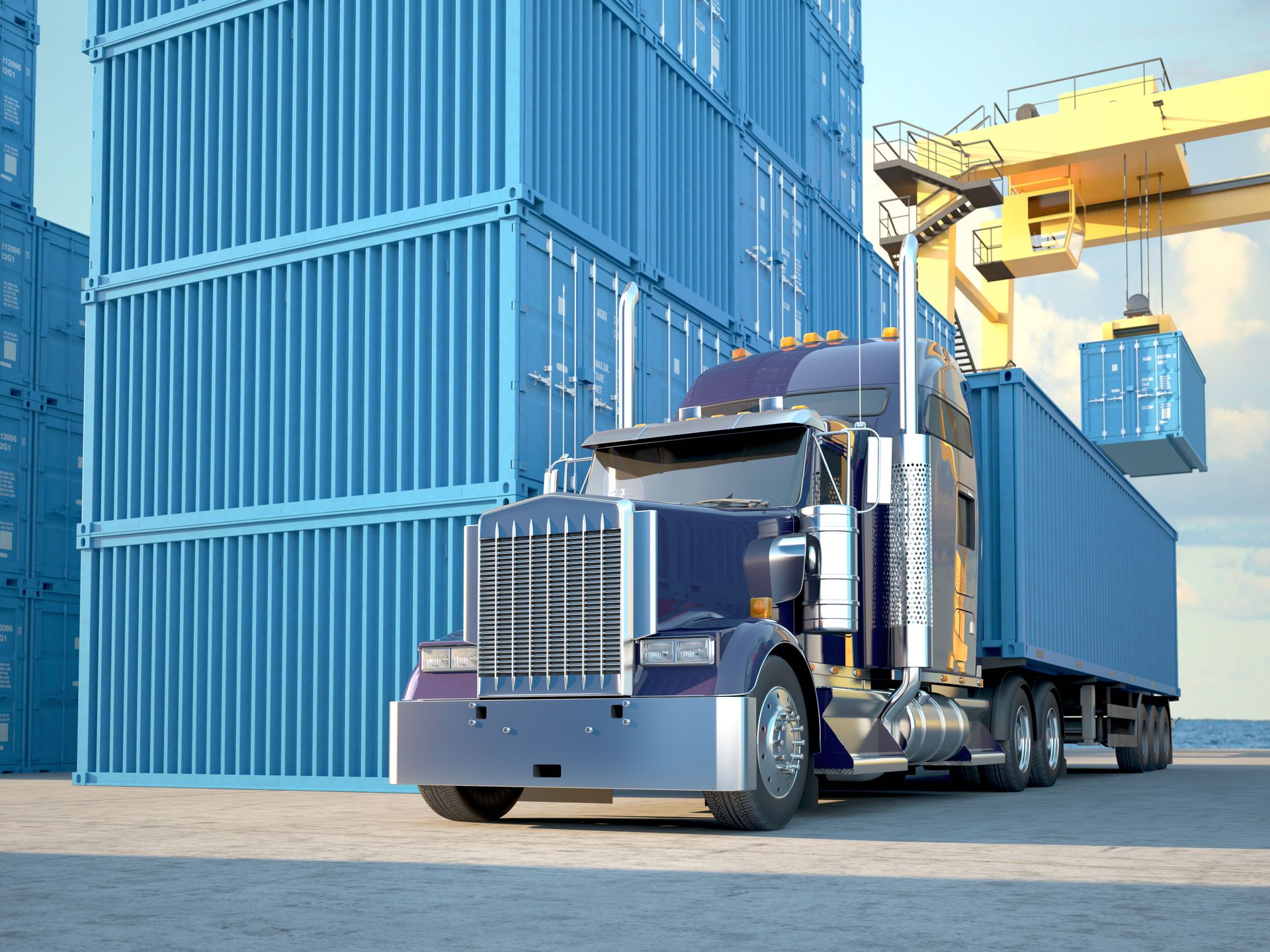
For large-scale shipments, Msc-Logistics-Group offers FCL (Full Container Load) services, providing the most efficient and cost-effective way to ship bulk cargo from China to Turkmenistan. We partner with top carriers to ensure the safety and timely delivery of your goods.
If you are shipping smaller quantities, Msc-Logistics-Group offers LCL (Less than Container Load) services. This solution helps consolidate shipments from multiple customers into a single container, reducing shipping costs while maintaining safe and timely delivery to Turkmenistan.
Msc-Logistics-Group provides dependable and eco-friendly pickup services across China, designed to simplify cargo collection, optimize routes, and reduce both shipping costs and environmental impact.

Msc-Logistics-Group offers complimentary warehousing support, providing secure, organized, and efficient storage solutions to protect your goods throughout the logistics journey.
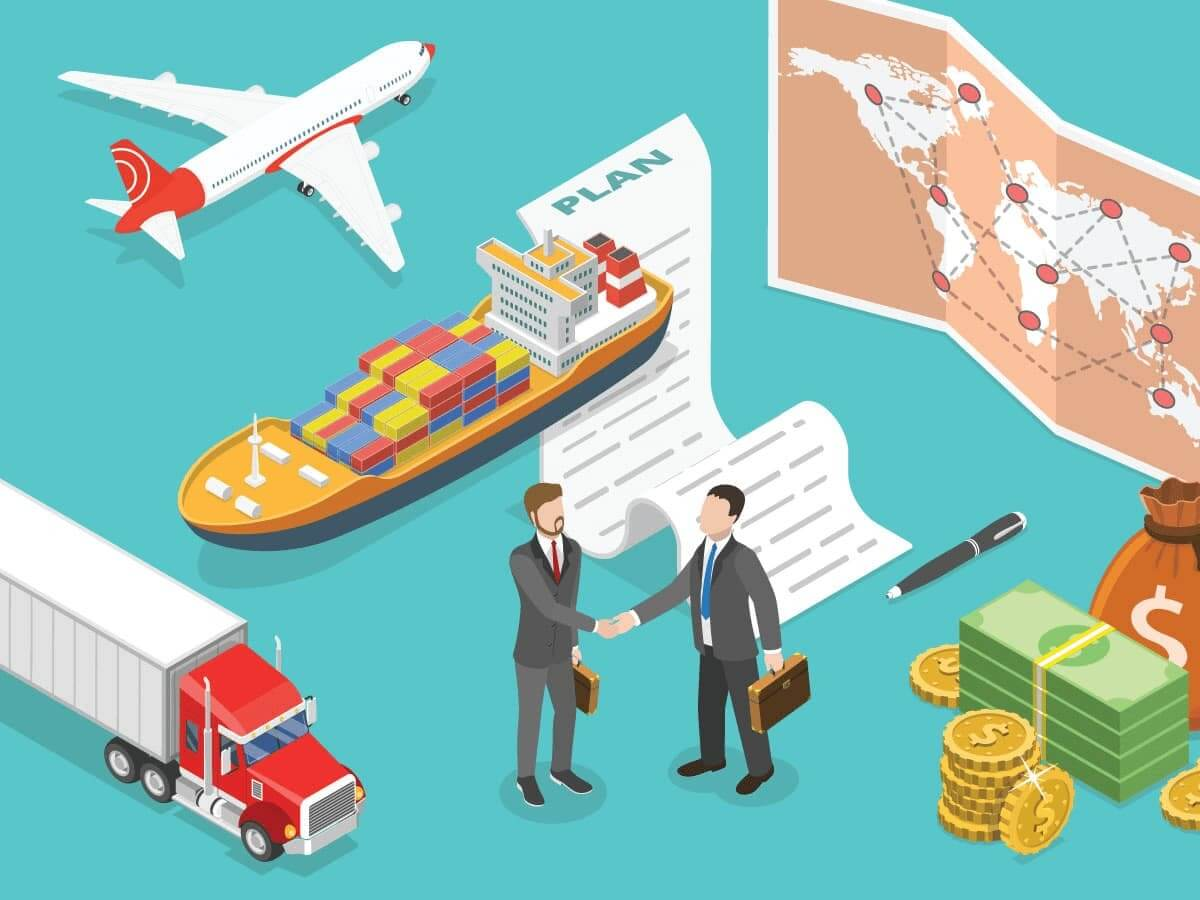
Msc-Logistics-Group provides comprehensive cargo insurance, giving full protection for your goods throughout the entire journey to any Amazon FBA warehouse.

Msc-Logistics-Group takes care of all documentation and administrative tasks on your behalf, ensuring a seamless and stress-free shipping experience.
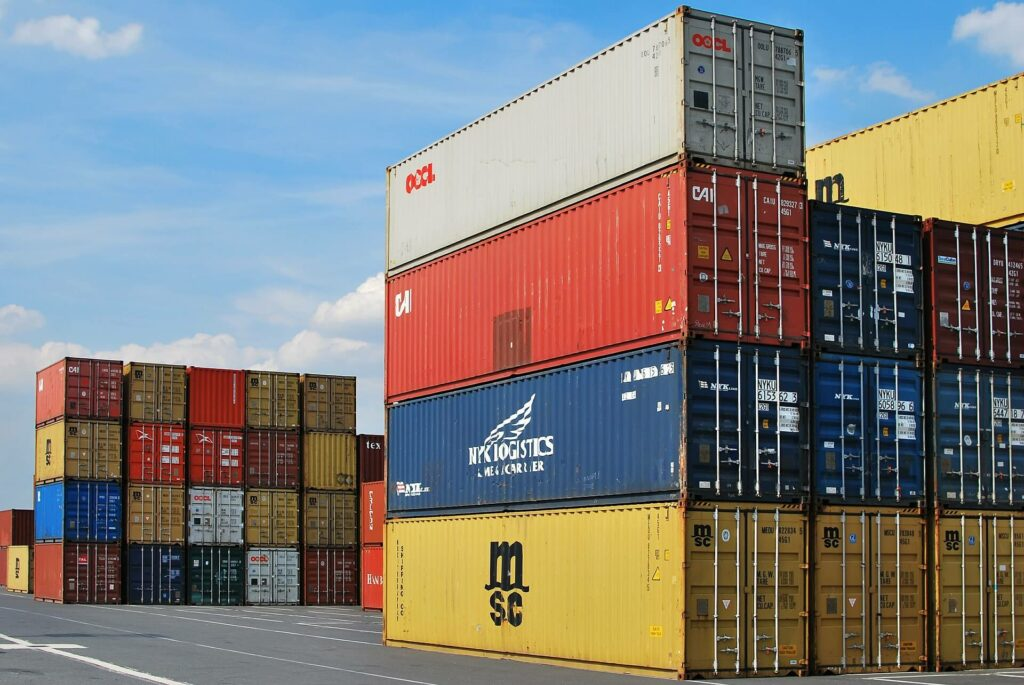
Msc-Logistics-Group ensures secure packaging and accurate loading of your cargo directly at your supplier’s facility, protecting your goods throughout the entire transit.
Shipping from China to Turkmenistan can be done via air freight or sea freight. Air freight is quicker and suitable for urgent deliveries, taking about 5 to 7 days. Sea freight, while slower, is more cost-effective, generally taking 20 to 30 days. Each method has its own advantages depending on the urgency and budget.
Shipping costs from China to Turkmenistan vary based on the method and size of the shipment. Air freight costs more but provides faster delivery, while sea freight is more budget-friendly but takes longer. Additional costs may include customs duties, insurance, and handling fees. For an accurate estimate, consult with freight forwarders.
Required documents include a commercial invoice, packing list, bill of lading or air waybill, and a certificate of origin. Customs declarations and any required permits or licenses depending on the nature of the goods are also necessary. Proper documentation ensures smooth processing and avoids delays.
Yes, shipments to Turkmenistan must comply with local customs regulations. This includes accurate declaration of goods, payment of applicable duties and taxes, and adherence to import restrictions. Customs inspections may also apply, so ensuring proper documentation and compliance is crucial to avoid delays.
You can track your shipment using the tracking number provided by your freight forwarder or carrier. Most forwarders offer online tracking systems that allow you to monitor the shipment’s status in real-time. This helps you stay informed about delivery progress and any potential issues.
To ensure safe delivery, choose a reliable freight forwarder with a good track record. Use appropriate packaging to protect goods, obtain insurance coverage, and adhere to all customs regulations. Regularly track the shipment and communicate with all parties involved to address any issues promptly.
To reduce costs, consider using sea freight instead of air freight for non-urgent shipments. Consolidating shipments, negotiating rates with forwarders, and optimizing packaging can also help. Ensure that all documentation is accurate to prevent delays and additional fees.
If a shipment is delayed, first check the tracking information for updates. Contact your freight forwarder or carrier to inquire about the cause and estimated delivery time. Reviewing and addressing any issues with documentation, customs, or logistics can also help resolve delays.
Common challenges include navigating complex customs regulations, potential delays due to long transit times, and ensuring proper packaging to prevent damage. Working with experienced freight forwarders can help manage these challenges effectively and ensure smooth shipping.
When selecting a freight forwarder, consider their experience, reputation, and the range of services they offer. Check their track record for reliability and safety, their understanding of Turkmenistan’s regulations, and their ability to provide tracking and support throughout the shipping process.
Operations deal with the way the vehicles are operated, and the procedures set for this purpose, and policies. In the transport industry, operat ions and ownership of infrastructure can be either country.