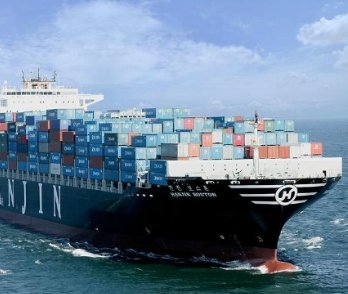
Msc-Logistics-Group provides reliable and comprehensive shipping services from China to Nigeria, tailored to meet the needs of both businesses and individual customers. Whether you are transporting large commercial shipments via sea freight or urgent, high-value cargo via air freight, we ensure that your goods are handled safely, efficiently, and delivered on schedule. Leveraging our extensive global network, logistics expertise, and deep understanding of international shipping regulations, we provide fully managed, secure, and cost-effective transport solutions. Our focus on reliability, transparency, and customer satisfaction guarantees peace of mind throughout the shipping process, from pickup in China to delivery at major Nigerian cities and ports, including Lagos, Port Harcourt, and Apapa.
Msc-Logistics-Group offers dependable sea freight solutions for shipments from China to Nigeria. Our ocean freight services are designed for large-scale cargo, providing safe, timely, and cost-effective transport. Whether shipping industrial equipment, consumer products, or bulk goods, we ensure your cargo arrives securely at key Nigerian ports, with reliable handling at every step.
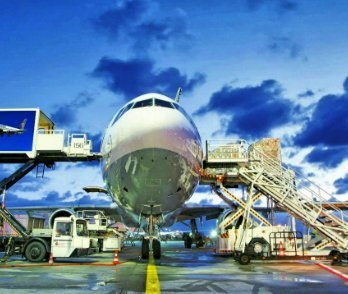
For urgent or high-value shipments, Msc-Logistics-Group provides fast and secure air freight services from China to Nigeria. Our air cargo solutions guarantee prompt delivery while ensuring the safety and integrity of your goods. With flexible routing and real-time tracking, you can monitor your shipment throughout the entire journey for full transparency and peace of mind.

Msc-Logistics-Group simplifies the shipping process with our door-to-door services from China to Nigeria. From collection and customs clearance to transportation and final delivery, we manage the entire logistics process. This all-inclusive service ensures a seamless experience, delivering your cargo safely and efficiently to your specified destination.
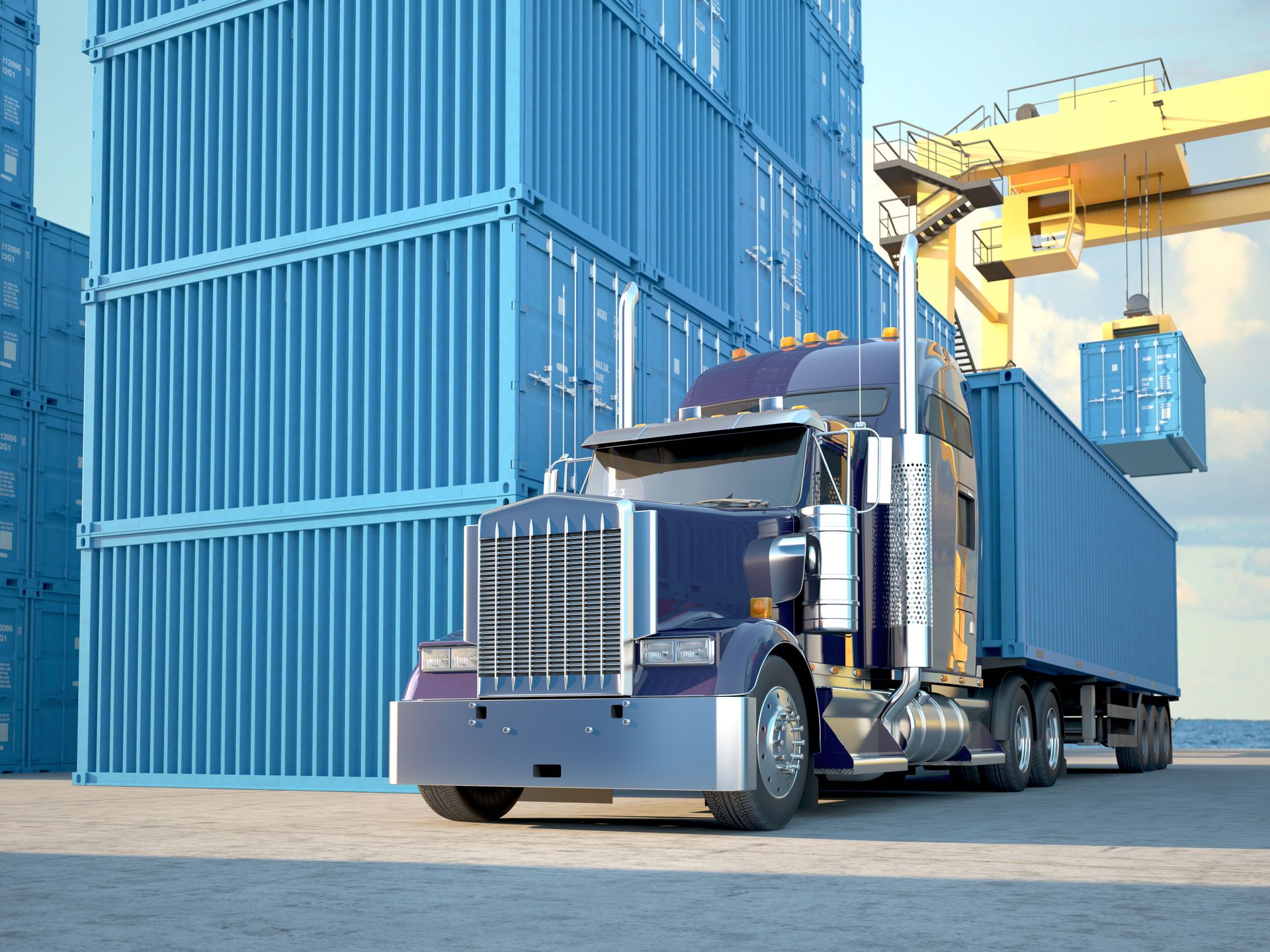
Msc-Logistics-Group specializes in Full Container Load (FCL) shipping from China to Nigeria, providing dedicated container space for large shipments. Our FCL services ensure secure handling, professional management, and timely transport from loading to final delivery, making it an ideal solution for businesses shipping high-volume cargo.
For smaller shipments, Msc-Logistics-Group offers Less than Container Load (LCL) services from China to Nigeria. We consolidate multiple shipments to maximize container space and reduce costs while ensuring secure and timely delivery. LCL is an economical and practical option for smaller cargo volumes.
Msc-Logistics-Group provides dependable and eco-friendly pickup services across China, designed to simplify cargo collection, optimize routes, and reduce both shipping costs and environmental impact.

Msc-Logistics-Group offers complimentary warehousing support, providing secure, organized, and efficient storage solutions to protect your goods throughout the logistics journey.

Msc-Logistics-Group provides comprehensive cargo insurance, giving full protection for your goods throughout the entire journey to any Amazon FBA warehouse.

Msc-Logistics-Group takes care of all documentation and administrative tasks on your behalf, ensuring a seamless and stress-free shipping experience.
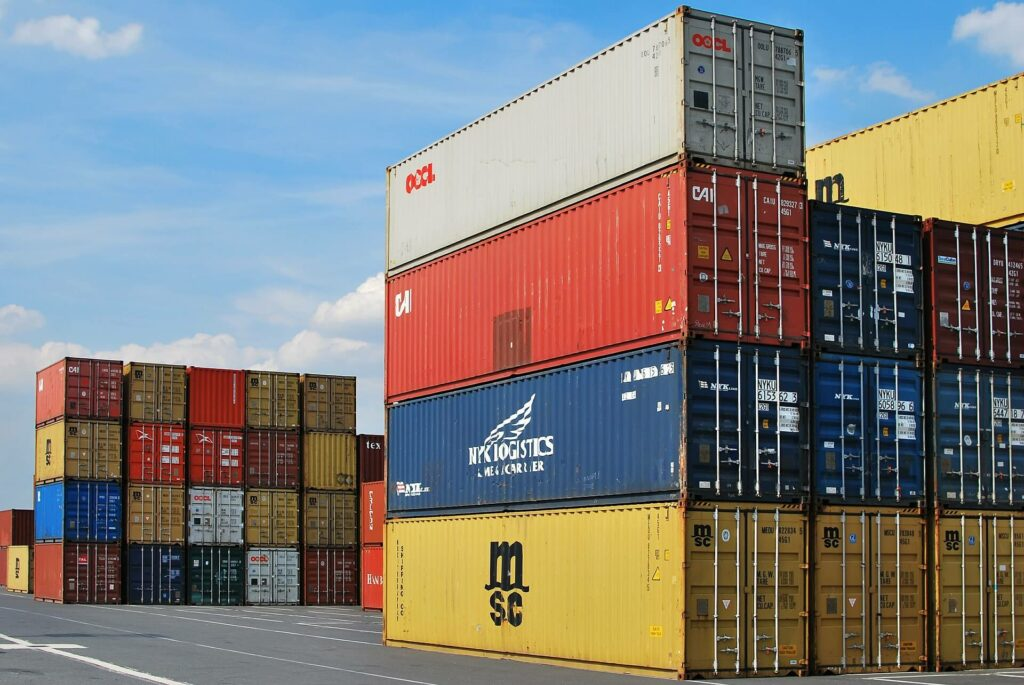
Msc-Logistics-Group ensures secure packaging and accurate loading of your cargo directly at your supplier’s facility, protecting your goods throughout the entire transit.
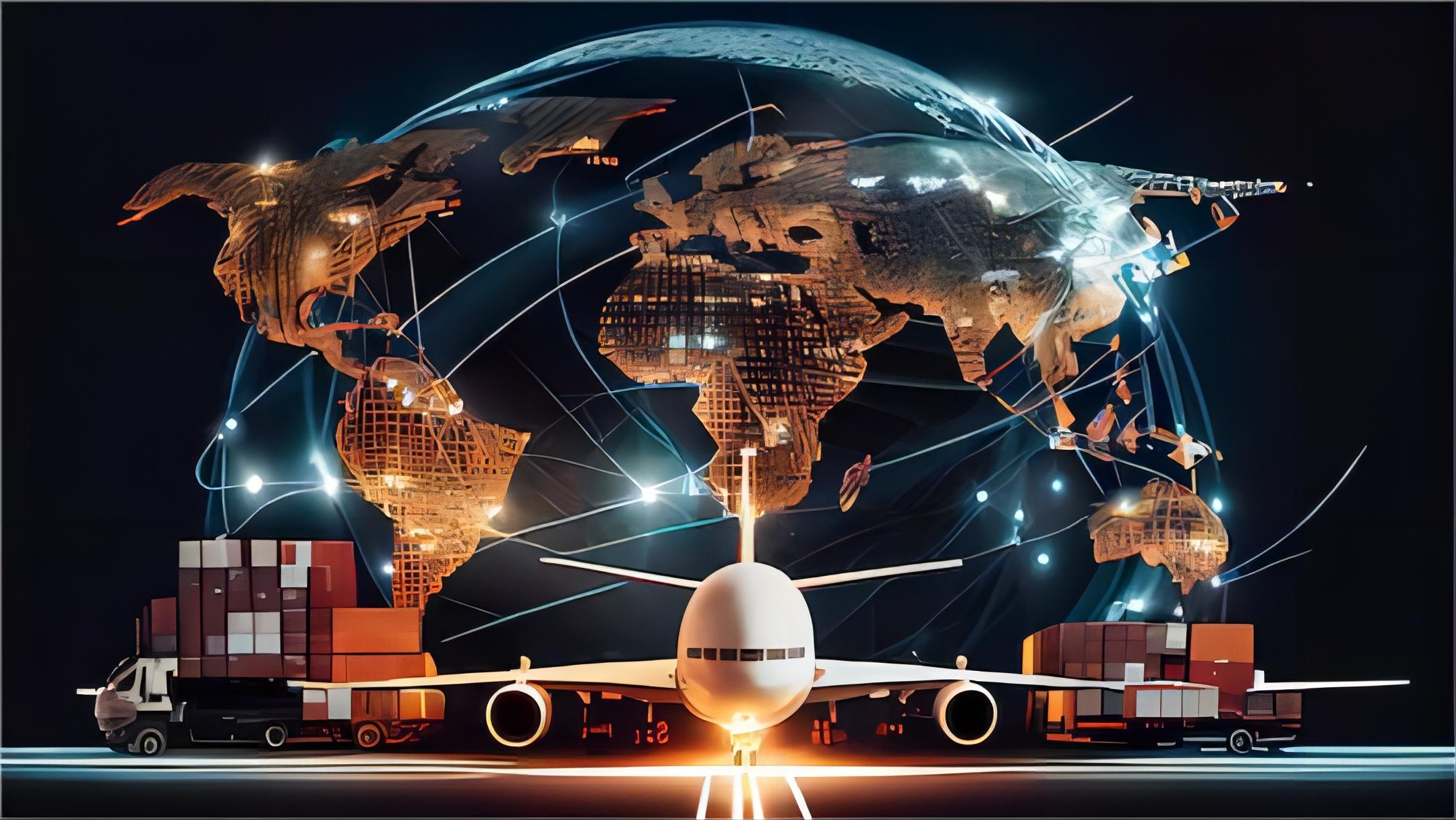
The common shipping methods from China to Nigeria include air freight, sea freight, and rail transport. Air freight is faster but more expensive, suitable for high-value or urgent shipments. Sea freight is cost-effective for large volumes and heavier cargo but takes longer. Rail transport, though less common, offers a middle ground between cost and time.
To select a reliable freight forwarder, check their experience in handling shipments to Nigeria, read customer reviews, and verify their licensing and insurance coverage. A good forwarder should offer transparent pricing, excellent customer support, and expertise in navigating both Chinese and Nigerian logistics and customs regulations.
Essential documents for importing include the commercial invoice, packing list, bill of lading, certificate of origin, and import declaration forms. Ensure all documents are accurate and complete to facilitate smooth customs clearance. Additional documents may be required depending on the product type and Nigerian regulations.
To insure your goods, request coverage from your freight forwarder or purchase a separate insurance policy from a reputable provider. Ensure the policy covers all potential risks, including loss, damage, and theft during transit. Verify the terms and conditions to ensure adequate protection throughout the shipping process.
Customs duties in Nigeria vary based on the product category and value. The Nigerian Customs Service applies tariffs according to the Harmonized System (HS) codes for different goods. To determine specific duties, consult the Nigerian Customs Service or use their online tariff guide for accurate calculations.
Shipping duration depends on the method used. Air freight typically takes 5-10 days, while sea freight can take 4-6 weeks. The timeframe may vary based on factors such as port congestion, customs processing, and any unforeseen delays in transit.
You can track your shipment using the tracking number provided by your freight forwarder or shipping carrier. Most forwarders offer online tracking systems that provide real-time updates on your cargo’s location and status, ensuring you can monitor the progress of your shipment.
Regulations for importing electronics include compliance with Nigerian Communications Commission (NCC) standards, obtaining necessary certifications, and adhering to safety and quality requirements. Ensure your products meet Nigerian standards to avoid issues during customs clearance and potential penalties.
Operations deal with the way the vehicles are operated, and the procedures set for this purpose, and policies. In the transport industry, operat ions and ownership of infrastructure can be either country.