


China Freight Forwarder for Ecommerce for Amazon Sellers: 2026 Guide
Establishing a partnership with a china freight forwarder for ecommerce for amazon sellers is essential for success in 2026. Many entrepreneurs face complex supply chain hurdles that disrupt inventory flow and increase operating expenses. However, a specialized logistics provider offers tailored solutions that streamline the entire import process from factory to warehouse. This guide explores how professional freight forwarding can transform your Amazon business by reducing costs and ensuring reliable delivery schedules.
✦
Why You Need a Specialized China Freight Forwarder for Ecommerce for Amazon Sellers
Professional logistics management requires more than just moving boxes from one point to another. Specialized forwarders understand the rigorous requirements of ecommerce platforms and the specific needs of online retailers. Moreover, they provide critical value-added services like quality inspection and inventory labeling before the goods leave China.
Sellers often encounter difficulties with customs documentation and tariff classifications that lead to expensive delays. Consequently, having an expert partner who monitors changing regulations in 2026 is a significant competitive advantage. They act as your eyes and ears on the ground, ensuring every shipment meets the high standards expected by your customers.
Navigating the landscape of international trade becomes much simpler when you have a dedicated team handling the heavy lifting. Furthermore, these providers offer consolidation services that allow you to combine small orders from multiple suppliers into a single shipment. This strategy significantly reduces individual shipping costs and simplifies your overall supply chain management.
Choosing Sea Freight for Bulk Ecommerce Inventory
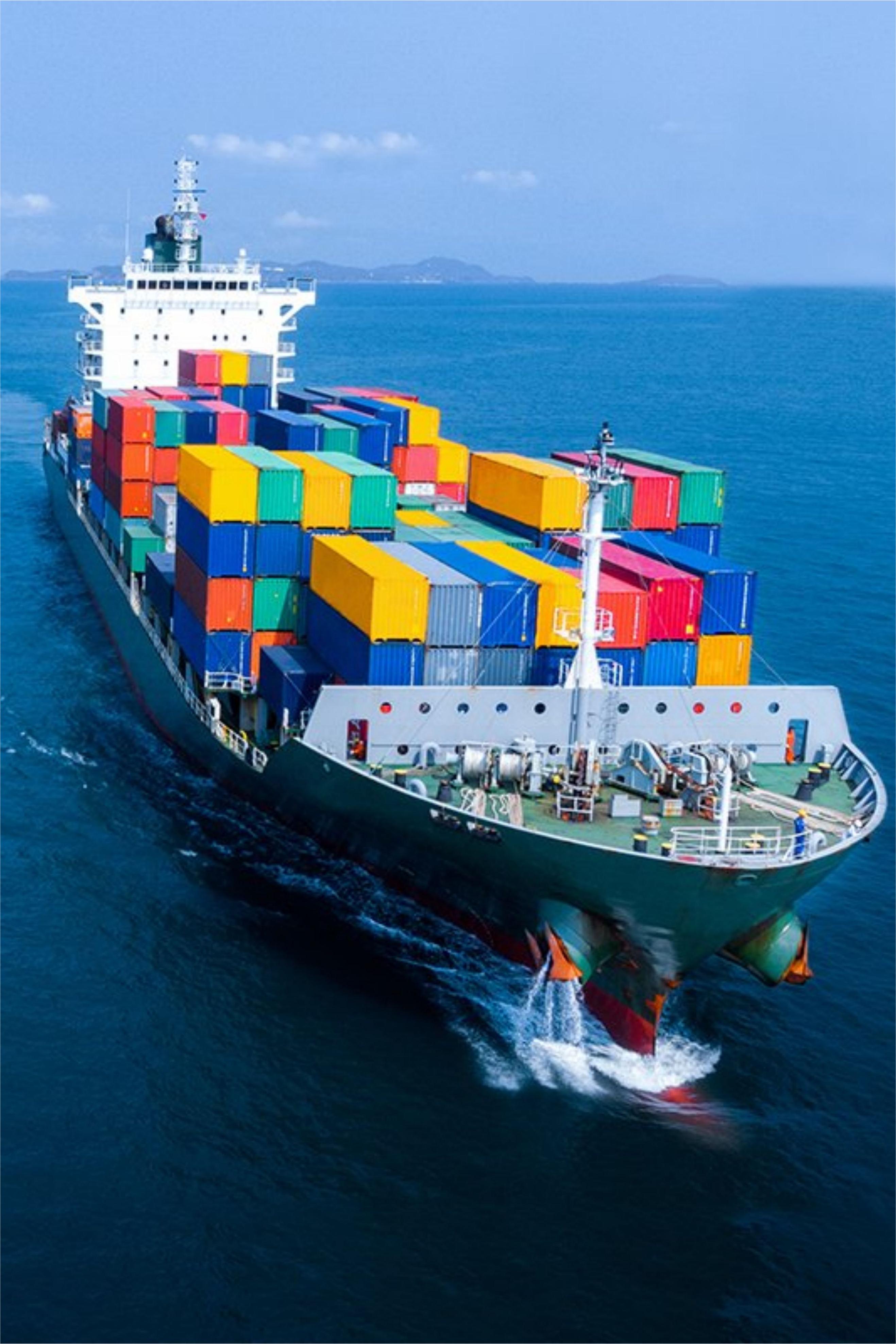
Selecting sea freight remains the most economical choice for sellers moving large volumes of inventory. This method offers the lowest cost per unit, which is vital for maintaining healthy profit margins on bulky or heavy items. Additionally, modern container tracking technology provides real-time updates on your cargo’s position across the ocean.
Businesses typically choose between Full Container Load (FCL) and Less than Container Load (LCL) based on their current stock needs. While FCL provides better security and faster transit for large shipments, LCL allows smaller brands to share space and costs with other importers. Indeed, this flexibility is a cornerstone of scalable ecommerce growth in 2026.
Market data suggests that sea freight rates have stabilized in early 2026 after the fluctuations of previous years. Nevertheless, sellers should remain aware of seasonal peaks that can impact both price and availability. Planning your shipments at least 6 to 8 weeks in advance helps mitigate the risk of stockouts during high-demand periods.
| Shipping Method | Average Cost | Transit Time | Best Suitability |
|---|---|---|---|
| Sea Freight FCL | $3,000 to $4,500 per 40HQ | 25 to 35 Days | High volume bulk stock |
| Sea Freight LCL | $60 to $95 per CBM | 30 to 40 Days | Small to medium batches |
| Air Freight | $4.50 to $7.50 per KG | 5 to 9 Days | Urgent restocks |
| Rail Freight | $1,800 to $2,800 per FEU | 18 to 24 Days | Central Europe routes |
Leveraging Air Freight for Rapid Restocks
Utilizing air freight is the fastest way to respond to sudden spikes in customer demand. While the cost is higher than ocean transport, the speed of delivery ensures you never miss a sales opportunity due to empty shelves. Specifically, high-value electronics and fashion items benefit most from this expedited shipping method.
Sellers often use air cargo for new product launches to test the market without committing to massive sea shipments. Consequently, this approach minimizes financial risk while providing the agility needed to pivot your strategy quickly. Furthermore, the reduced time in transit lowers the overall insurance premiums for your valuable inventory.
Industry benchmarks for 2026 indicate that air freight remains a vital component of a hybrid logistics strategy. Many successful Amazon sellers split their shipments, sending a small portion by air and the remainder by sea. This balanced approach ensures immediate stock availability while keeping long-term shipping costs manageable.
Navigating Amazon FBA Logistics Requirements
Mastering Amazon FBA logistics requires a deep understanding of the platform’s strict preparation and labeling rules. Every box must feature the correct FNSKU labels and meet specific weight and dimension limits to avoid warehouse rejection. Therefore, working with a forwarder who specializes in FBA prep is a crucial investment for any seller.
Logistics providers often offer dedicated prep centers in China where they inspect goods for defects before final packing. This step prevents negative customer reviews and costly returns that can damage your seller rating. Additionally, they handle the complex process of booking delivery appointments through the Amazon Carrier Central system.
Efficiency in the last-mile delivery phase is what separates top-tier sellers from the rest of the competition. Your forwarder should have established relationships with local trucking companies and express couriers to ensure smooth final delivery. Without a doubt, a seamless transition from the port to the fulfillment center is the key to maintaining a high IPI score.
The Importance of Customs Brokerage and Compliance
Professional customs brokerage services protect your business from legal complications and unexpected financial penalties. Customs regulations are increasingly complex in 2026, with new environmental and digital trade policies coming into effect. Significantly, an experienced broker ensures that your HTS codes are accurate and all duties are paid correctly.
Documentation errors are the leading cause of shipment seizures and long delays at international borders. Your forwarder must prepare a comprehensive set of documents, including the Commercial Invoice, Packing List, and Bill of Lading. Moreover, they must stay updated on any specific import restrictions that apply to your product category.
Investing in compliance today prevents the massive costs associated with audits or shipment holds in the future. Many sellers underestimate the importance of a continuous customs bond, which facilitates faster clearance for regular importers. Consequently, a proactive approach to customs management is essential for long-term ecommerce stability.
Simplifying with Door to Door Services
Choosing a door to door service provides a comprehensive solution that covers every step of the journey. This model includes factory pickup, international transport, customs clearance, and final delivery to the Amazon warehouse. Consequently, it removes the burden of coordinating multiple logistics providers from the seller’s shoulders.
Transparency is a major benefit of this all-inclusive service, as you receive a single quote that covers all foreseeable expenses. This clarity allows for more accurate product pricing and better financial planning for your business. Furthermore, having a single point of contact simplifies communication and problem-solving if issues arise during transit.
Technological advancements in 2026 have made door-to-door tracking more precise than ever before. Sellers can now monitor their inventory’s progress through a single dashboard, providing peace of mind and better inventory forecasting. Indeed, this level of visibility is indispensable for managing a global ecommerce operation effectively.

How Does Sea Freight Compare to Other Shipping Options?
Analyzing the trade-offs between different shipping methods is essential for optimizing your logistics budget. While sea freight is the most cost-effective for large volumes, it lacks the speed of air or the regional flexibility of rail. Therefore, sellers must evaluate their specific needs based on inventory turnover rates and profit margins.
Hybrid solutions have gained popularity in 2026 as a way to balance cost and speed. For instance, sea-air services involve shipping goods by sea to a major hub like Dubai before flying them to the final destination. This alternative strategy can save up to 40 percent in costs compared to pure air freight while being twice as fast as sea freight.
Rail freight offers a middle ground for sellers operating between China and Europe, providing faster transit than the sea at a lower cost than the air. However, this option is subject to geopolitical stability and infrastructure availability along the route. For shipments to North America or Australia, sea and air remain the only primary choices.
| Shipping Method | Cost Range | Transit Time | Best For | Limitations |
|---|---|---|---|---|
| Sea Freight | $0.50 to $1.20 per KG | 30 to 45 Days | Bulk inventory | Slow transit |
| Air Freight | $4.50 to $8.00 per KG | 5 to 10 Days | High value items | High cost |
| Rail Freight | $1.20 to $2.50 per KG | 18 to 25 Days | Mid-size batches | Europe only |
| Express | $7.00 to $12.00 per KG | 3 to 5 Days | Small samples | Very expensive |
Dominating the North America Market
Shipping to North America requires navigating some of the world’s busiest ports and complex inland transport networks. High demand for Amazon products in the USA and Canada often leads to seasonal congestion at West Coast ports like Los Angeles and Long Beach. Accordingly, savvy sellers often divert cargo to East Coast ports to avoid bottlenecks during peak periods.
Customs bonds and Power of Attorney (POA) are mandatory requirements for importing goods into the United States. Your forwarder will guide you through the process of obtaining these documents to ensure your business remains compliant with CBP regulations. Additionally, they help you navigate Section 321 de minimis entries for small, low-value shipments to save on duties.
Market intelligence for 2026 suggests that last-mile delivery costs in North America are rising due to increased labor and fuel expenses. To combat this, many sellers are utilizing regional 3PL warehouses to store inventory closer to their end customers. This strategy reduces the time and cost of final delivery to Amazon fulfillment centers.
Strategic Shipping to Europe and Australia
Expanding into Europe involves managing VAT compliance and specific European Union safety standards. Each country may have unique requirements for product labeling and certification, such as the CE mark. Consequently, your China freight forwarder must be well-versed in these regional nuances to prevent customs delays.
Shipping to Australia offers a lucrative opportunity but requires strict adherence to biosecurity laws. The Australian Department of Agriculture, Fisheries and Forestry (DAFF) inspects all incoming cargo for potential environmental risks. Furthermore, transit times to major Australian ports like Sydney and Melbourne are relatively short compared to other long-haul routes.
Diversifying your sales across multiple continents reduces your reliance on a single market and increases business resilience. By leveraging a global logistics network, you can efficiently move stock between regions based on seasonal demand trends. Notably, 2026 has seen a surge in sellers targeting the growing ecommerce sectors in both the UK and Australia.
Real-World Case Studies in Ecommerce Logistics
Examining actual shipping scenarios helps sellers understand the practical application of different logistics strategies. These examples highlight the costs, timelines, and challenges associated with moving goods from China to various global destinations in 2026. Moreover, they provide a realistic benchmark for your own supply chain planning.
Each case study reflects the current market conditions and the importance of choosing the right shipping method for specific cargo types. Whether you are moving electronics, apparel, or home goods, these insights can help you avoid common pitfalls. Significantly, they demonstrate how a professional forwarder adds value at every stage of the process.
Case Study 1: High-Volume Electronics to USA West Coast
Package Case Study 1: Shenzhen to Los Angeles Route: Shenzhen, China to Los Angeles, USA Cargo: Consumer Electronics, 28 CBM, 4500 kg Container: 40HQ Shipping Details: – Carrier/Service: COSCO Direct Service – Port of Loading: Shenzhen – Port of Discharge: Los Angeles – Route Type: Direct Cost Breakdown: – Ocean Freight: $3,250 – Origin Charges: $450 – Destination Charges: $600 – Customs and Duties: $1,200 – Total Landed Cost: $5,500 Timeline: – Booking to Loading: 3 days – Sea Transit: 16 days – Customs Clearance: 2 days – Total Door-to-Door: 21 days Key Insight: Using a direct route to the West Coast saved 10 days compared to transshipment, allowing the seller to meet a critical product launch deadline.
Case Study 2: Apparel Restock to Germany
Package Case Study 2: Ningbo to Hamburg Route: Ningbo, China to Hamburg, Germany Cargo: Fashion Apparel, 5 CBM, 800 kg Container: LCL Service Shipping Details: – Carrier/Service: Major Carrier LCL – Port of Loading: Ningbo – Port of Discharge: Hamburg – Route Type: Transshipment via Singapore Cost Breakdown: – Ocean Freight: $425 – Origin Charges: $150 – Destination Charges: $280 – Customs and Duties: $950 – Total Landed Cost: $1,805 Timeline: – Booking to Loading: 5 days – Sea Transit: 34 days – Customs Clearance: 3 days – Total Door-to-Door: 42 days Key Insight: LCL shipping allowed the seller to maintain stock levels without the high cost of a full container, though transit time was longer due to transshipment.
Cost-Saving Strategies and Decision Framework
Reducing your logistics expenses requires a strategic approach to cargo consolidation and route optimization. Sellers should analyze their shipping data to identify patterns and consolidate small orders into larger shipments whenever possible. Additionally, negotiating long-term contracts with your forwarder can lead to more favorable rates and priority space allocation.
Which option should you choose? If budget is your primary priority, sea freight is the clear winner for any shipment over 2 CBM. However, if speed is essential for a high-demand item, air freight is worth the investment despite the higher cost. For balanced needs, consider rail freight for Europe or sea-air hybrid solutions for other regions.
Typical rates as of early 2026 show that freight costs are manageable but require careful planning to avoid peak season surcharges. Always request a current quote that includes all potential fees to ensure there are no surprises in your final invoice. Note: Freight rates are subject to change based on fuel costs, carrier capacity, and seasonal demand. Contact us for a current quote tailored to your specific shipment.
Mastering Your Ecommerce Logistics with a China Freight Forwarder for Ecommerce for Amazon Sellers
Successfully scaling an online brand in 2026 depends heavily on the efficiency of your supply chain. By partnering with a specialized china freight forwarder for ecommerce for amazon sellers, you gain the expertise needed to navigate complex international trade regulations. Whether you utilize sea, air, or rail freight, the right partner ensures your inventory arrives safely and cost-effectively.
Focusing on compliance, strategic planning, and clear communication with your logistics provider will yield long-term benefits for your business. As the ecommerce landscape continues to evolve, staying adaptable and informed is your best strategy for success. Take control of your logistics today and build a more resilient Amazon FBA business for the future.