


China Export Shipping Company Door Delivery: 2026 Strategic Guide
Streamlining your global operations requires a partner that manages every detail of the supply chain. Choosing a professional china export shipping company door delivery provider ensures your cargo moves efficiently from the Chinese factory floor to your warehouse. This guide examines how to optimize your 2026 logistics strategy for maximum reliability and cost-effectiveness.

What is a China Export Shipping Company Door Delivery Service?
Modern businesses often prefer a hands-off approach to international logistics to focus on core sales activities. Consequently, a comprehensive door to door service handles everything from the initial pickup in China to the final mile delivery in the destination country. This model eliminates the need for the importer to manage multiple intermediaries or coordinate complex handovers between carriers.
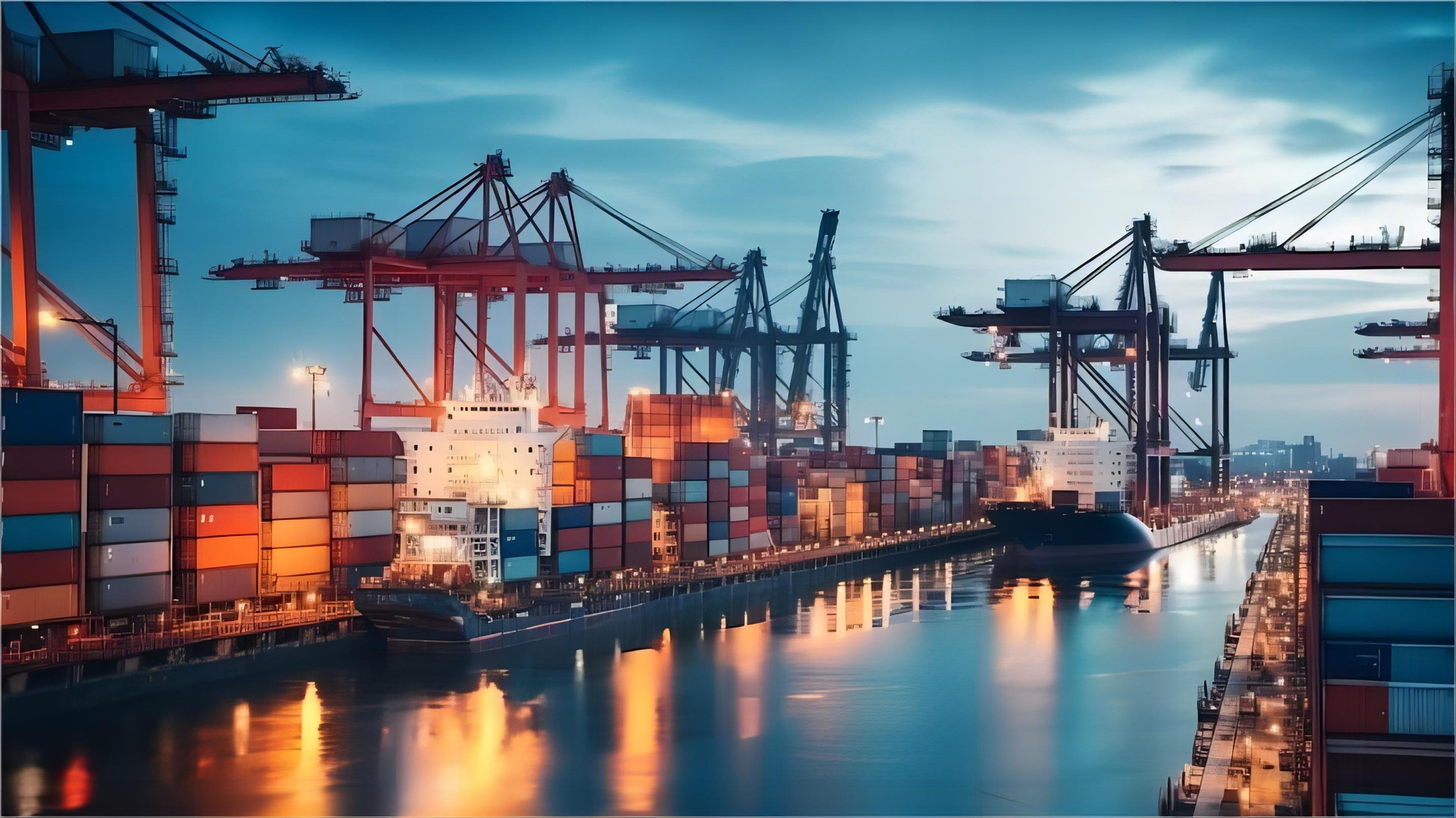
Furthermore, this all-inclusive solution typically covers inland trucking, export customs clearance, international transit, and destination duties. Therefore, importers can enjoy a single point of contact and a unified invoice for the entire journey. Many companies find that this transparency reduces the risk of hidden fees and unexpected delays at international borders.
Moreover, the provider takes responsibility for the safety and compliance of the goods throughout the transit process. Accordingly, businesses can mitigate risks associated with damaged cargo or legal issues during customs inspections. Indeed, the convenience of a door-to-door solution has made it the primary choice for e-commerce sellers and industrial manufacturers alike in 2026.
How Does Door Delivery Compare to Other Shipping Options?
Evaluating different shipping methods is essential for maintaining a healthy profit margin in 2026. While some businesses choose Port-to-Port services to save on upfront costs, they often face higher administrative burdens. In contrast, door delivery provides a seamless experience that saves significant time for the procurement team.
Specifically, for shipments heading to Europe, the choice between sea and rail often depends on the specific balance of speed and budget. On the other hand, shipments to North America rely heavily on trans-Pacific ocean routes or rapid air transport for high-value goods. Meanwhile, the following table provides a clear comparison of the most common methods available this year.
| Shipping Method | Cost Range | Transit Time | Best For | Limitations |
|---|---|---|---|---|
| Sea Freight (FCL) | $3,000 – $6,000 | 25-45 Days | Bulk goods/Large volume | Slower transit speed |
| Air Freight | $5 – $12 per kg | 3-7 Days | Urgent/High-value items | Highest cost per unit |
| Rail Freight | $1.5 – $3 per kg | 18-25 Days | Mid-range budget/Europe | Limited to land routes |
| Express Service | $8 – $15 per kg | 2-5 Days | Samples/Small parcels | Strict weight limits |
Analyzing the Benefits of Sea Freight for Door Delivery
Utilizing sea freight remains the most popular strategy for large-scale exports from China. Because ocean carriers can move massive quantities of goods simultaneously, the cost per unit is significantly lower than any other method. Consequently, manufacturers of furniture, machinery, and heavy consumer goods almost exclusively use this route for their global distribution.
Additionally, the stability of ocean freight rates in early 2026 has provided a predictable environment for long-term planning. However, shippers must account for longer lead times and potential port congestion during peak seasons. Nevertheless, when combined with a door delivery service, the complexity of managing the drayage from the port to the warehouse is handled entirely by the forwarder.
Furthermore, sea freight offers both Full Container Load (FCL) and Less than Container Load (LCL) options to suit different business sizes. For instance, small businesses can share container space to reduce costs while still benefiting from professional handling. Therefore, sea freight continues to be the backbone of the global supply chain for most international traders.
When to Choose Air Freight for Your China Exports
Speed is often the most critical factor for high-demand product launches or urgent inventory replenishment. In these scenarios, air freight offers the fastest transit times from China to major global hubs. Although the costs are higher, the reduction in inventory holding costs can often justify the investment for many tech and fashion brands.
Moreover, air transport provides a higher level of security for sensitive or high-value electronics. Consequently, the risk of theft or damage is significantly lower compared to the multiple handlings involved in sea transit. In addition, the frequent flight schedules from cities like Shenzhen and Shanghai ensure that goods can be dispatched almost daily.
Meanwhile, door-to-door air freight services include the critical step of rapid customs clearance upon arrival. As a result, goods often reach their final destination within hours of landing at the airport. Without a doubt, for businesses operating in fast-paced markets, the agility provided by air transport is an invaluable competitive advantage.
Navigating Customs Brokerage and Compliance in 2026
Complex regulations and changing tariff structures make customs brokerage a vital component of the export process. Indeed, even a minor documentation error can lead to costly delays or heavy fines at the destination port. Therefore, working with a shipping company that has deep expertise in local laws is essential for a smooth door delivery experience.
Furthermore, the implementation of new digital customs platforms in 2026 has accelerated the clearance process for compliant shippers. However, staying up to date with these technological shifts requires dedicated resources that many small businesses lack. Consequently, outsourcing this task to a professional logistics provider ensures that all paperwork is filed accurately and on time.
Additionally, a skilled broker can help identify opportunities for duty drawbacks or tax exemptions under specific trade agreements. For example, shipments to North America may be subject to various trade policies that require precise HS code classification. Accordingly, professional guidance is the best way to avoid unnecessary expenses and ensure legal compliance.
| Document Name | Purpose | Provided By | Requirement Level |
|---|---|---|---|
| Commercial Invoice | Value declaration | Supplier | Mandatory |
| Packing List | Cargo details | Supplier | Mandatory |
| Bill of Lading | Title of goods | Carrier | Mandatory |
| Certificate of Origin | Trade agreements | Chamber of Commerce | Optional/Recommended |
Case Studies: Real-World Door Delivery Success
Case Study 1: Electronics to Germany. Route: Shenzhen, China to Berlin, Germany. Cargo: Consumer electronics, 15 CBM, 4,500 kg. Container: LCL. Shipping Details: Major carrier via Hamburg. Cost Breakdown: Ocean Freight $1,250, Origin Charges $350, Destination Charges $450, Customs $200. Total Landed Cost: $2,250. Timeline: 34 days total door-to-door. Key Insight: Consolidating LCL shipments saved the client 40 percent compared to air freight during the Q1 slow season.
Case Study 2: Home Furniture to California. Route: Ningbo, China to Los Angeles, USA. Cargo: Wooden furniture, 68 CBM, 12,000 kg. Container: 40HQ. Shipping Details: Direct route via COSCO. Cost Breakdown: Ocean Freight $3,800, Origin Charges $500, Destination Charges $700, Customs $400. Total Landed Cost: $5,400. Timeline: 22 days total door-to-door. Key Insight: Utilizing a direct route avoided transshipment delays in Southeast Asia, ensuring the client met their holiday sales deadline.
Note: Freight rates are subject to change based on fuel costs, carrier capacity, and seasonal demand. Contact us for a current quote tailored to your specific shipment.
Decision Framework: Which Option Should You Choose?
Choosing the right shipping method requires a careful analysis of your specific business needs and cargo characteristics. If your primary goal is budget optimization and you have flexible timelines, sea freight is the clear winner for bulk shipments. Conversely, if you are dealing with perishable goods or urgent contracts, air freight is the only viable solution despite the higher cost.
Furthermore, consider the volume of your cargo before deciding between FCL and LCL. For shipments exceeding 15 CBM, booking a full 20GP container often becomes more economical than paying for individual cubic meters in a shared container. Additionally, hybrid solutions like sea-air can offer a middle ground, providing faster transit than sea alone while remaining cheaper than pure air freight.
Moreover, always factor in the ‘hidden’ costs of managing logistics yourself. While a Port-to-Port rate might look cheaper on paper, the time spent coordinating trucks and brokers often outweighs the small savings. Therefore, a China export shipping company door delivery service usually provides the best overall value for growing enterprises.
Market Trends and Logistics Outlook for 2026
As of early 2026, the global logistics industry has seen a significant shift toward sustainable shipping practices. Many carriers are now offering carbon-neutral shipping options by utilizing bio-fuels or carbon offset programs. Consequently, eco-conscious brands can now align their supply chain with their corporate social responsibility goals.
Additionally, the integration of AI-driven tracking systems has become a standard feature for top-tier shipping companies. As a result, importers can now receive real-time updates and predictive alerts regarding potential delays due to weather or port congestion. Indeed, this level of transparency allows for better inventory management and more accurate customer communication.
Furthermore, freight rates have stabilized following the volatility of previous years, though seasonal spikes during the Golden Week and New Year periods remain. Therefore, booking your shipments at least 3-4 weeks in advance is highly recommended to secure the best rates and equipment availability. Without a doubt, staying informed about these trends is crucial for maintaining a competitive edge in international trade.

Final Thoughts on Door to Door Logistics
In conclusion, selecting a professional china export shipping company door delivery partner is a strategic investment in your business growth. By delegating the complexities of international transit, customs, and final delivery, you can focus on expanding your market reach and improving customer satisfaction.
Whether you choose sea, air, or rail, the key is to prioritize transparency, reliability, and clear communication with your logistics provider. As the global trade landscape continues to evolve in 2026, having a robust door-to-door strategy will ensure your goods move smoothly across borders every time.
Start Your Shipment
Ready to simplify your global supply chain? Contact us today to receive a personalized quote for your next shipment. Our team is standing by to provide the most efficient china export shipping company door delivery solutions for your business. Visit our website to start your inquiry now.
Request Quote