

China Container Shipping Rates Local Warehouse: 2026 Strategic Guide
Navigating the complexities of china container shipping rates local warehouse requires a deep understanding of modern logistics. Logistics From China provides the necessary expertise to manage these costs effectively. Businesses must balance transit times with storage expenses to maintain a healthy bottom line in 2026. This guide explores how to optimize your international trade operations through strategic planning and efficient cargo handling.
✦What Factors Determine China Container Shipping Rates Local Warehouse in 2026?
Determining the exact costs for shipping containers involves several variables that fluctuate based on market demand. Consequently, businesses must stay updated on fuel surcharges and port congestion levels that define the current landscape. Moreover, the integration of local warehousing into your strategy can significantly impact the final price per unit.
Freight rates have stabilized in early 2026 following previous global disruptions. Specifically, sea freight remains the most economical choice for high-volume shipments. However, the total landed cost also includes drayage, storage, and last-mile delivery from a local distribution center.
Carriers often adjust prices based on container availability at major ports like Shanghai or Shenzhen. Therefore, booking your shipments at least three to four weeks in advance is highly recommended. Additionally, seasonal trends such as the pre-Lunar New Year rush continue to cause temporary price spikes in the logistics industry.
The Role of Fuel Surcharges

How Does Sea Freight Compare to Other Shipping Options?
Analyzing different transportation modes is essential for choosing the right service for your cargo. While ocean transport offers the lowest cost per cubic meter, it may not suit time-sensitive inventory. In contrast, other methods provide speed but at a premium price point that might affect your profit margins.
Businesses often utilize Amazon FBA services to streamline their entry into the North American or European markets. This approach often combines bulk sea shipping with local warehouse fulfillment to balance speed and cost. Furthermore, hybrid solutions like sea-air combinations are gaining popularity for mid-range urgency requirements.
| Shipping Method | Cost Range | Transit Time | Best For | Limitations |
|---|---|---|---|---|
| Sea Freight (FCL) | $1,500 – $6,000 | 18 – 40 Days | Bulk Goods | Slower Speed |
| Air Freight | $5 – $12 per kg | 3 – 7 Days | High Value | High Cost |
| Rail Freight | $2,500 – $4,500 | 15 – 22 Days | Europe Routes | Limited Access |
| Express Service | $8 – $15 per kg | 2 – 5 Days | Samples | Weight Limits |
Which Option Should You Choose for Your Business?
Selecting the ideal shipping method depends heavily on your specific budget and delivery deadlines. For instance, if you prioritize low costs and have flexible timelines, sea freight is the clear winner. On the other hand, urgent restocks might necessitate the higher expense of air transport to avoid stockouts.
Volume thresholds also play a critical role in this decision-making process. Typically, shipments exceeding 15 cubic meters are more cost-effective when sent via Full Container Load (FCL). Meanwhile, smaller shipments benefit from Less than Container Load (LCL) pricing, although this involves more cargo handling at the port.
Budget Priority Strategies
Speed Priority Strategies
Understanding the Role of Local Warehousing in Cost Reduction
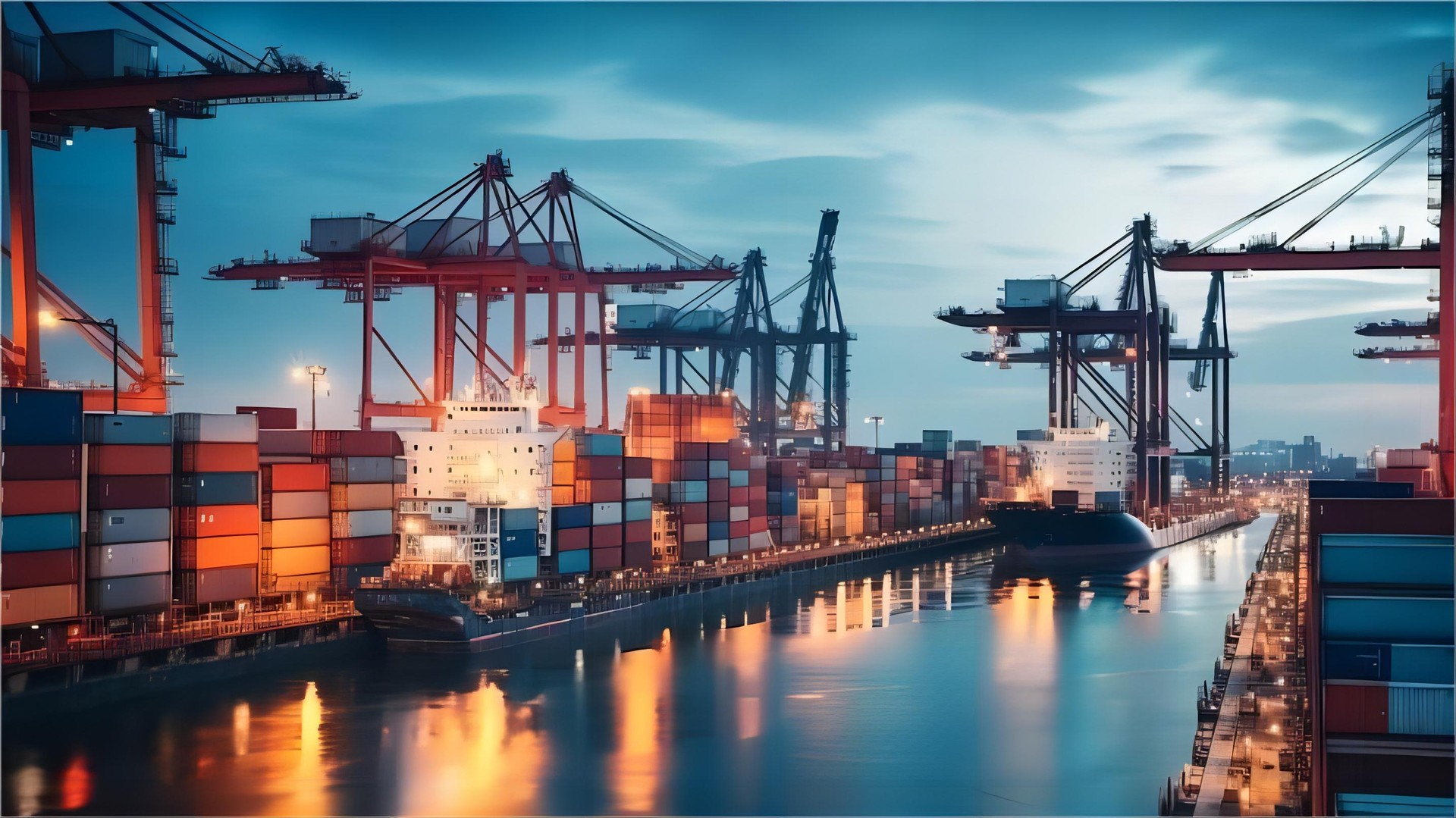
Utilizing a local warehouse near your destination port can drastically reduce your overall logistics spend. Instead of shipping small individual orders from China, you can send bulk containers to a regional hub. Consequently, this strategy lowers the international shipping cost per unit and allows for faster domestic delivery.
Efficient door to door services often include a warehousing component to manage inventory flow. Furthermore, having stock closer to your customers improves satisfaction by reducing the time between order placement and arrival. This model is particularly effective for e-commerce sellers targeting global markets.
Real-World Case Studies: China to Global Destinations
Examining actual shipping scenarios provides valuable insights into current market rates and timelines. These examples reflect typical operations conducted in early 2026 across major international trade lanes. Note that rates fluctuate based on seasonal demand and carrier capacity.
Case Study 1: Shenzhen to Los Angeles Route: Shenzhen, China to Los Angeles, USA Cargo: Consumer Electronics, 65 CBM, 12,000 kg Container: 40HQ Shipping Details: – Carrier: Major Trans-Pacific Carrier – Port of Loading: Shenzhen – Port of Discharge: Los Angeles – Route Type: Direct Cost Breakdown: – Ocean Freight: $3,200 – Origin Charges: $450 – Destination Charges: $600 – Customs and Duties: $1,200 – Total Landed Cost: $5,450 Timeline: – Booking to Loading: 5 days – Sea Transit: 16 days – Customs Clearance: 3 days – Total Door-to-Door: 24 days Key Insight: Using a 40HQ container maximized volume efficiency for lightweight electronics.
Case Study 2: Ningbo to Hamburg Route: Ningbo, China to Hamburg, Germany Cargo: Home Textiles, 25 CBM, 8,500 kg Container: 20GP Shipping Details: – Carrier: Major European Line – Port of Loading: Ningbo – Port of Discharge: Hamburg – Route Type: Transshipment via Singapore Cost Breakdown: – Ocean Freight: $2,100 – Origin Charges: $400 – Destination Charges: $550 – Customs and Duties: $900 – Total Landed Cost: $3,950 Timeline: – Booking to Loading: 7 days – Sea Transit: 32 days – Customs Clearance: 4 days – Total Door-to-Door: 43 days Key Insight: Transshipment offered a lower rate but required careful scheduling to manage the longer transit time.

Navigating Customs and Documentation for 2026 Shipments
Proper documentation is the backbone of a successful international shipping operation. Without accurate paperwork, your cargo may face expensive delays or even seizure by authorities. Therefore, engaging a professional customs brokerage service is often a wise investment for importers.
Digital customs platforms have become standard in 2026, speeding up the clearance process significantly. Nevertheless, you must ensure that all commercial invoices and packing lists match the physical goods exactly. Additionally, understanding the specific tariff codes for your products will help you estimate duties more accurately.
| Document Name | Purpose | Issuer | Requirement |
|---|---|---|---|
| Bill of Lading | Title of Goods | Carrier | Mandatory |
| Commercial Invoice | Value Declaration | Shipper | Mandatory |
| Packing List | Cargo Details | Shipper | Mandatory |
| Certificate of Origin | Duty Calculation | Chamber of Commerce | Optional/Route Dependent |
Strategic Tips for Lowering Your Total Landed Cost
Implementing a few strategic changes can lead to substantial savings on your china container shipping rates local warehouse expenses. For example, optimizing your packaging to fit more units into a single container reduces the freight cost per item. Moreover, consolidating multiple small orders into one large shipment avoids repeated minimum handling fees.
Negotiating long-term contracts with freight forwarders can also provide more stable pricing throughout the year. Although spot rates might occasionally be lower, contract rates protect you from sudden market volatility. Indeed, many successful importers use a mix of both contract and spot pricing to manage their budgets effectively.
Final Thoughts on 2026 Shipping Strategies
Summarizing the current landscape, successfully managing china container shipping rates local warehouse requires a proactive approach to logistics. By understanding the trade-offs between different shipping methods and utilizing regional distribution hubs, businesses can achieve significant cost savings. Always remember that the cheapest headline rate is not always the most cost-effective solution when transit times and reliability are factored in.
Staying informed about market trends and maintaining strong relationships with your logistics partners will ensure your goods move efficiently across borders. As we progress through 2026, flexibility and digital integration remain the keys to navigating the ever-evolving world of international trade.