

China Supplier Freight Forwarding International Shipping: 2026 Logistics Guide
Navigating the complexities of global trade requires a reliable partner for your china supplier freight forwarding international shipping needs. Logistics From China provides end-to-end solutions to ensure your goods move seamlessly from factory to warehouse. Our expertise minimizes delays and optimizes your total landed cost in the 2026 market. Consequently, businesses can focus on growth while we handle the intricate details of global transport.
✦
Strategic China Supplier Freight Forwarding International Shipping Solutions
Modern businesses must adapt to the rapidly changing landscape of global commerce to remain competitive. Therefore, selecting the right partner for china supplier freight forwarding international shipping is no longer just a luxury but a necessity. A professional forwarder acts as an intermediary between the shipper and various transportation services to ensure efficiency.
Moreover, the year 2026 has brought unique challenges including fluctuating fuel costs and shifting trade lanes. Choosing a provider with deep roots in the Chinese market allows you to leverage local relationships with carriers. This ensures that your cargo receives priority handling even during peak seasons when capacity is limited.
Additionally, a comprehensive strategy involves more than just moving boxes from point A to point B. It requires a holistic view of the supply chain including warehousing, consolidation, and final mile delivery. By integrating these services, importers can significantly reduce their overhead costs and improve transit reliability.
How Does Sea Freight Compare to Other Shipping Options?
When evaluating your logistics strategy, understanding the trade-offs between different transport modes is essential. Sea freight remains the most cost-effective method for high-volume shipments despite having longer transit times. However, air freight offers unparalleled speed for high-value or perishable goods that must reach their destination within days.
Rail freight has emerged as a viable middle ground for shipments moving between China and Europe. It provides a faster alternative to the ocean while remaining significantly cheaper than air transport. Nevertheless, rail is not an option for routes to North America or Australia due to geographical constraints.
Furthermore, hybrid solutions like sea-air combinations are gaining popularity in 2026 for their balance of cost and speed. These strategies involve shipping goods by sea to a major hub and then completing the journey via air. This approach can save up to 40 percent in costs compared to pure air freight while cutting transit time in half versus pure sea freight.
| Shipping Method | Cost Range | Transit Time | Best For |
|---|---|---|---|
| Sea Freight | $1,500 – $6,000 | 15 – 45 Days | Bulk goods and large volumes |
| Air Freight | $5.00 – $12.00/kg | 3 – 7 Days | Urgent and high-value items |
| Rail Freight | $2,000 – $4,500 | 18 – 25 Days | Mid-sized shipments to Europe |
| Express Service | $8.00 – $20.00/kg | 2 – 5 Days | Samples and small parcels |
Maximizing Value with Sea Freight Services
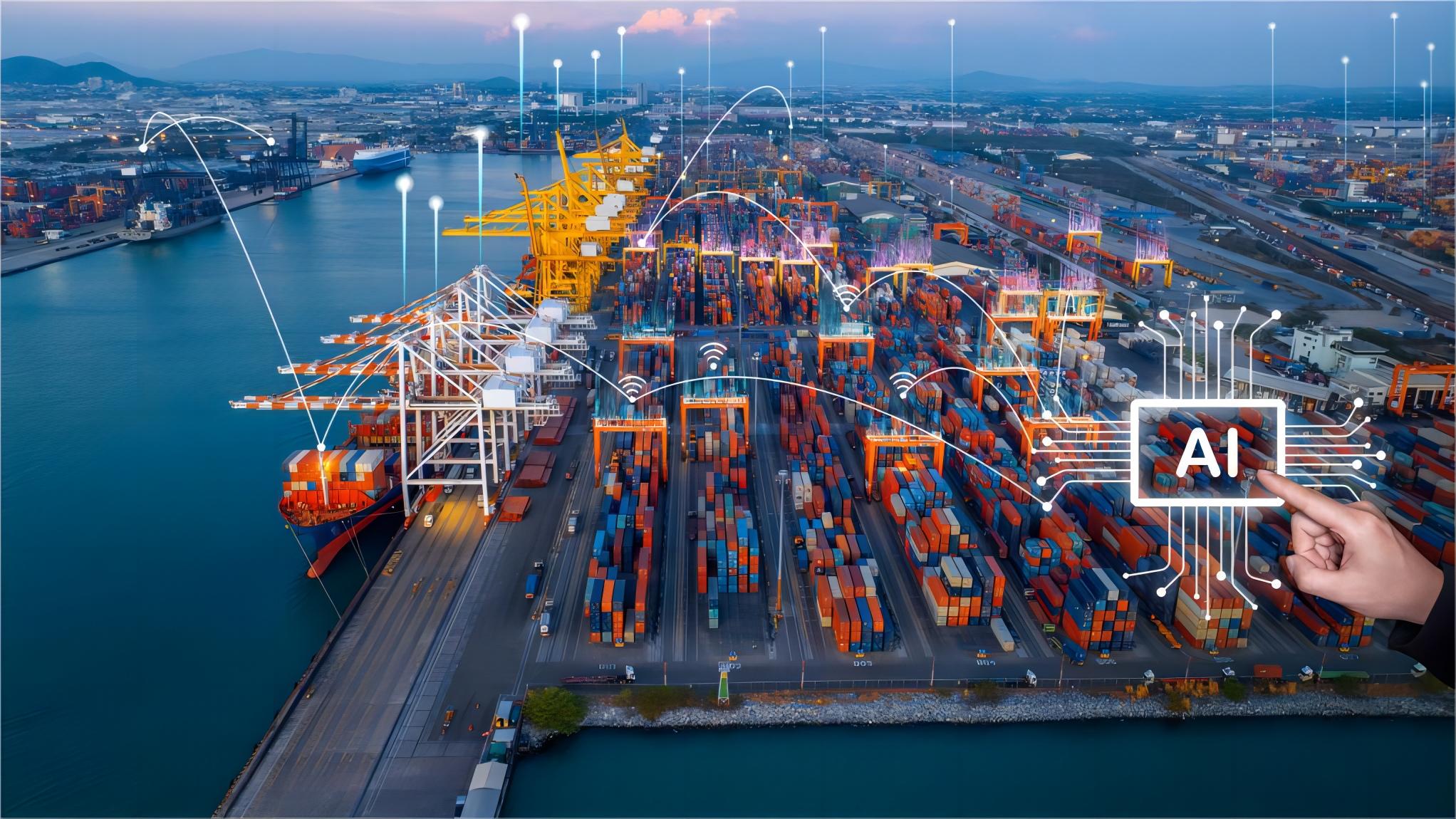
For most importers, sea freight is the primary choice for moving large inventories. You can choose between Full Container Load (FCL) and Less than Container Load (LCL) based on your specific volume. FCL is generally safer and faster for large orders because the container remains sealed from the factory to the destination.
On the other hand, LCL allows smaller businesses to share container space and only pay for the volume they use. This flexibility is vital for startups that are scaling their operations but do not yet have the volume for a full 40HQ container. Regardless of the choice, proper palletization and packaging are critical to prevent damage during the long ocean voyage.
Market data suggests that 2026 rates for a 40HQ container from China to the US West Coast range between $2,800 and $3,800. For the US East Coast, prices typically fluctuate between $4,500 and $6,000 depending on the season. Always account for peak season surcharges which usually take effect between August and October.
The Speed Advantage of Air Freight Logistics
In the fast-paced world of e-commerce, air freight provides the necessary agility to respond to market trends. While the cost per kilogram is higher, the reduction in transit time can lead to faster inventory turnover and improved cash flow. For instance, electronics and fashion items benefit greatly from this rapid delivery model.
Consequently, many businesses utilize air transport for product launches or to replenish stock during unexpected demand surges. It is also the preferred method for shipping samples from your China supplier to ensure quality control before a mass production run. The security protocols at airports also reduce the risk of theft and damage compared to sea ports.
According to industry benchmarks, air freight rates in early 2026 have stabilized at approximately $6.50 per kilogram for major routes. However, these rates are subject to change based on fuel surcharges and carrier capacity. It is advisable to book at least 5-7 days in advance to secure the best possible pricing.
Streamlining Deliveries with Door to Door Logistics
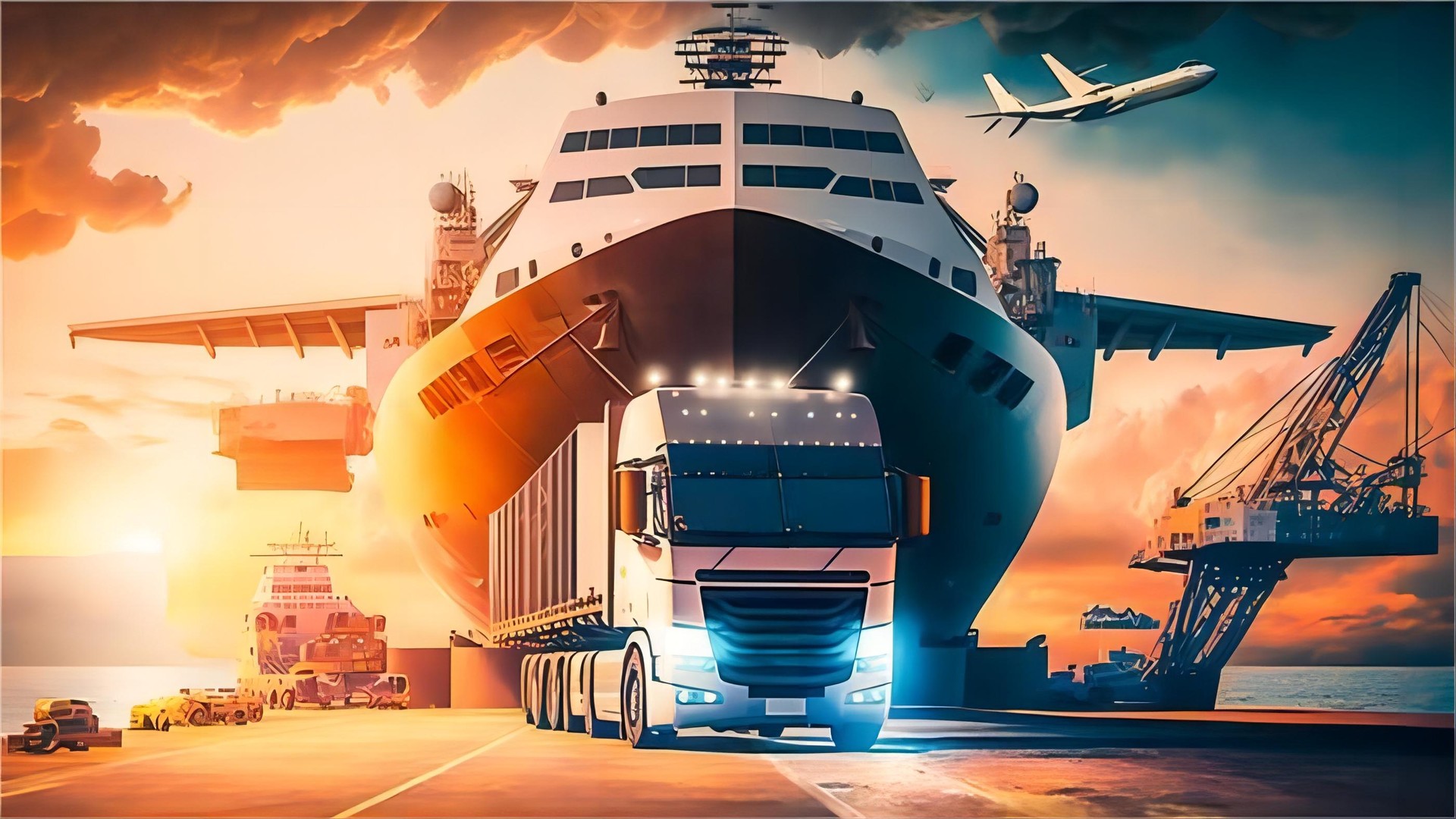
The ultimate convenience in international trade is the door to door service model. This comprehensive solution handles everything from the factory pickup in China to the final delivery at your warehouse. It eliminates the need for the importer to manage multiple vendors, which reduces the potential for communication errors.
Indeed, this service often includes customs clearance and local trucking, providing a truly hands-off experience for the buyer. Many modern freight forwarders offer digital platforms where you can track your shipment in real-time. This visibility is crucial for planning warehouse labor and marketing campaigns around incoming inventory.
Furthermore, door to door shipping often utilizes DDP (Delivered Duty Paid) terms, meaning the forwarder handles all taxes and duties. This is particularly beneficial for Amazon sellers who need their goods delivered directly to fulfillment centers without any administrative hurdles. It simplifies the accounting process as you receive a single invoice for the entire journey.
Optimizing Your Amazon FBA Supply Chain
Selling on global platforms requires specialized logistics knowledge to avoid costly compliance issues. Utilizing Amazon FBA services ensures that your products meet strict labeling and packaging requirements. Failure to comply with these standards can result in rejected shipments and additional storage fees.
Moreover, a professional forwarder can provide value-added services such as product inspection and kitting before the goods leave China. This extra layer of quality assurance protects your seller rating and reduces the likelihood of customer returns. By consolidating shipments from multiple suppliers, you can also optimize your container space and reduce per-unit shipping costs.
In 2026, many sellers are moving toward a hybrid storage model, keeping bulk stock in a private warehouse and trickling inventory into FBA. This strategy helps manage Amazon’s storage limits while ensuring that popular products never go out of stock. A reliable freight partner can facilitate these complex movements seamlessly.
Navigating Customs Brokerage and Compliance
The most common cause of delays in international shipping is incomplete or inaccurate documentation. Therefore, hiring an expert in customs brokerage is essential for a smooth import process. They ensure that your HTS codes are correct and that you are paying the appropriate duty rates.
In addition, trade regulations in 2026 have become more stringent regarding sustainability and labor practices. Your customs broker will help you navigate these new requirements to ensure your goods are not detained at the border. They also act as a shield against potential audits by maintaining meticulous records of all transactions.
For instance, having a power of attorney and a continuous customs bond in place can expedite the clearance process significantly. Without these, your goods might sit in a bonded warehouse, incurring daily storage fees that can quickly erode your profit margins. Professional brokers anticipate these needs and prepare the paperwork long before the ship arrives at the port.
| Document Name | Purpose | Required By | Timing |
|---|---|---|---|
| Commercial Invoice | Declares value and cargo details | Customs | At time of booking |
| Packing List | Details weight and dimensions | Warehouse/Customs | At time of loading |
| Bill of Lading | Contract of carriage | Carrier | After departure |
| Certificate of Origin | Verifies manufacturing country | Customs | Before arrival |
Real-World Case Studies in International Shipping
Analyzing real-world scenarios provides valuable insights into the practicalities of china supplier freight forwarding international shipping. These cases highlight the importance of planning and the impact of choosing the right shipping method for specific cargo types. Note: Freight rates are subject to change based on fuel costs, carrier capacity, and seasonal demand. Contact us for a current quote tailored to your specific shipment.
Case Study 1: Electronics from Shenzhen to Hamburg. A tech startup needed to move 15 CBM of high-end tablets. They chose LCL sea freight to balance cost and safety. The cargo was consolidated in Shenzhen and shipped via a major carrier through the Suez Canal. Total door-to-door transit took 38 days, and the landed cost was approximately $3,200 excluding duties.
Case Study 2: Apparel from Ningbo to Los Angeles. A fashion retailer moved a 40HQ container of seasonal clothing. By booking four weeks in advance, they secured a rate of $3,500. The vessel arrived at the Port of Long Beach in 16 days, and customs clearance was completed in 48 hours. The total door-to-door time was 22 days, allowing them to hit their launch date perfectly.
Case Study 1: Electronics from Shenzhen to Hamburg
Route: Shenzhen, China to Hamburg, Germany. Cargo: Consumer Electronics, 15 CBM, 4,500 kg. Container: LCL. Carrier: Major Carrier. Port of Loading: Shenzhen. Port of Discharge: Hamburg. Route Type: Direct. Ocean Freight: $1,850. Origin Charges: $450. Destination Charges: $600. Customs and Duties: $1,200. Total Landed Cost: $4,100. Timeline: 38 days door-to-door. Key Insight: Advanced booking saved 15 percent on freight costs compared to spot rates.
Case Study 2: Apparel from Ningbo to Los Angeles
Route: Ningbo, China to Los Angeles, USA. Cargo: Clothing, 65 CBM, 12,000 kg. Container: 40HQ. Carrier: COSCO. Port of Loading: Ningbo. Port of Discharge: Long Beach. Route Type: Direct. Ocean Freight: $3,500. Origin Charges: $500. Destination Charges: $750. Customs and Duties: $2,800. Total Landed Cost: $7,550. Timeline: 22 days door-to-door. Key Insight: Utilizing a direct route avoided potential transshipment delays in Southeast Asia.
Which Option Should You Choose? A Decision Framework
Choosing the right path for your china supplier freight forwarding international shipping depends on several key variables. If your primary goal is budget priority, sea freight is the clear winner for any shipment over 2 CBM. For shipments under 0.5 CBM, express services or air freight often prove more economical when considering total door-to-door costs.
Speed priority dictates the use of air freight or express carriers, especially for perishable goods or urgent replacements. If you are shipping to inland Europe, rail freight offers a compelling alternative that balances speed and cost. Cargo type considerations also play a role; hazardous materials or heavy machinery require specialized handling that only certain sea carriers can provide.
Volume thresholds are another critical factor. Once your shipment exceeds 15 CBM, you should compare the cost of LCL against a 20GP container. Often, the security and speed of a full container outweigh the small price difference. Always consult with your logistics partner to run a cost-benefit analysis for your specific cargo volume.
Mastering Your Global Logistics Strategy
To summarize, successful china supplier freight forwarding international shipping requires a blend of strategic planning, market knowledge, and reliable partnerships. By understanding the nuances of different transport modes and the importance of customs compliance, you can build a resilient supply chain. The 2026 market offers many opportunities for those who can navigate its complexities efficiently.
Furthermore, leveraging the expertise of a professional freight forwarder allows you to mitigate risks and focus on your core business activities. Whether you choose the speed of air freight or the economy of sea freight, the key is consistency and visibility. Start planning your next shipment today to ensure your goods arrive on time and within budget.