
China Freight Forwarding Service 2026: The Ultimate Logistics Guide
Navigating the complexities of international trade requires a robust china freight forwarding service 2026 to ensure goods move efficiently across borders. As global markets evolve, businesses must partner with experienced providers like Logistics From China to manage logistical hurdles effectively. This comprehensive guide explores the latest trends, costs, and strategies for successful importing from China in the coming year. Consequently, importers can better prepare for the shifting landscape of global commerce and maintain a competitive edge in their respective industries.

What is the Outlook for China Freight Forwarding Service 2026?
Global trade dynamics are undergoing significant transformations as we move through 2026. Primarily, the integration of artificial intelligence and machine learning has streamlined how cargo is tracked and managed across the ocean. Furthermore, the industry has seen a massive shift toward sustainable practices, with many carriers adopting eco-friendly fuels to meet international regulations. Consequently, businesses must adapt to these technological and environmental changes to ensure their supply chains remain resilient.
Moreover, port automation in major Chinese hubs like Shanghai and Ningbo has reached new heights of efficiency. This progress has significantly reduced the time cargo spends at the terminal before departure. Meanwhile, geopolitical shifts continue to influence trade routes, making it essential to have a flexible logistics strategy. Therefore, staying informed about these trends is the first step toward successful international shipping.
Additionally, digital freight platforms have become the standard for booking and managing shipments. These tools provide real-time visibility into freight rates and container availability. Indeed, the transparency offered by a modern china freight forwarding service 2026 allows for better budget forecasting and inventory planning. As a result, small and medium enterprises can now compete more effectively with larger corporations by accessing the same level of logistical data.
How to Choose the Right Shipping Method in 2026?
Selecting the appropriate transportation mode is a critical decision that impacts both your bottom line and customer satisfaction. Specifically, you must weigh the importance of speed versus the necessity of cost-effectiveness. For instance, high-value electronics often require the rapid transit of air transport, whereas bulky raw materials are better suited for the ocean. Accordingly, we have provided a comparison to help you evaluate your options based on current market conditions.
Furthermore, you should consider the reliability of each method during peak seasons. In 2026, we expect the traditional Q4 rush to begin earlier as retailers attempt to avoid potential year-end congestion. Nevertheless, a diversified shipping strategy can mitigate the risks associated with any single mode of transport. Consequently, many successful importers utilize a mix of services to balance their logistical needs throughout the year.
| Method | Avg. Transit Time | Cost Level | Best For |
|---|---|---|---|
| Sea Freight | 14-40 Days | Low | Bulk goods, heavy machinery |
| Air Freight | 3-7 Days | High | Urgent, high-value items |
| Rail Freight | 15-22 Days | Medium | Mid-range urgency to Europe |
| Express | 2-5 Days | Very High | Samples, small parcels |
Why Sea Freight Remains the Backbone of Global Trade?
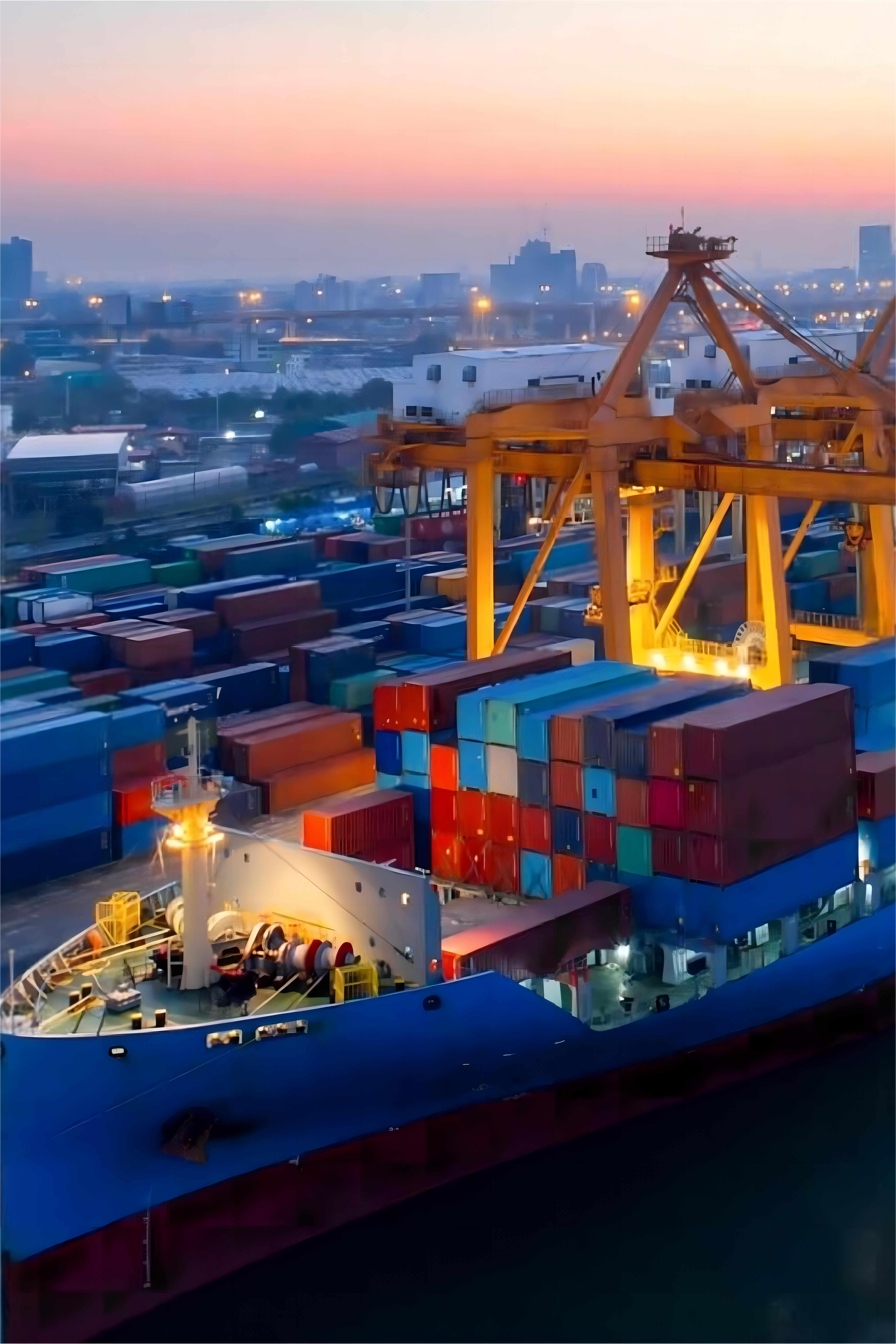
Despite the rise of alternative routes, sea freight continues to handle the vast majority of global cargo volume. This dominance is largely due to its unparalleled capacity and cost efficiency for large shipments. For example, moving a 40-foot high cube container across the Pacific remains significantly cheaper than any other method per unit of volume. Therefore, it is the preferred choice for businesses looking to maximize their profit margins on bulk inventory.
In addition, the 2026 maritime industry has introduced more direct routes to secondary ports, reducing the need for time-consuming transshipments. This development has helped stabilize transit times even as global demand fluctuates. However, importers must still account for potential weather disruptions and port strikes which can occur without warning. Consequently, working with a knowledgeable china freight forwarding service 2026 is vital for navigating these operational challenges.
Moreover, the introduction of larger, more efficient vessels has helped keep ocean freight rates relatively stable compared to the volatility of previous years. While fuel surcharges remain a factor, the overall cost per CBM has become more predictable for long-term planning. Indeed, for shipments exceeding 15 cubic meters, sea transport is almost always the most logical financial decision. Without a doubt, the ocean remains the most reliable path for large-scale international commerce.
Can Air Freight Speed Up Your 2026 Supply Chain?
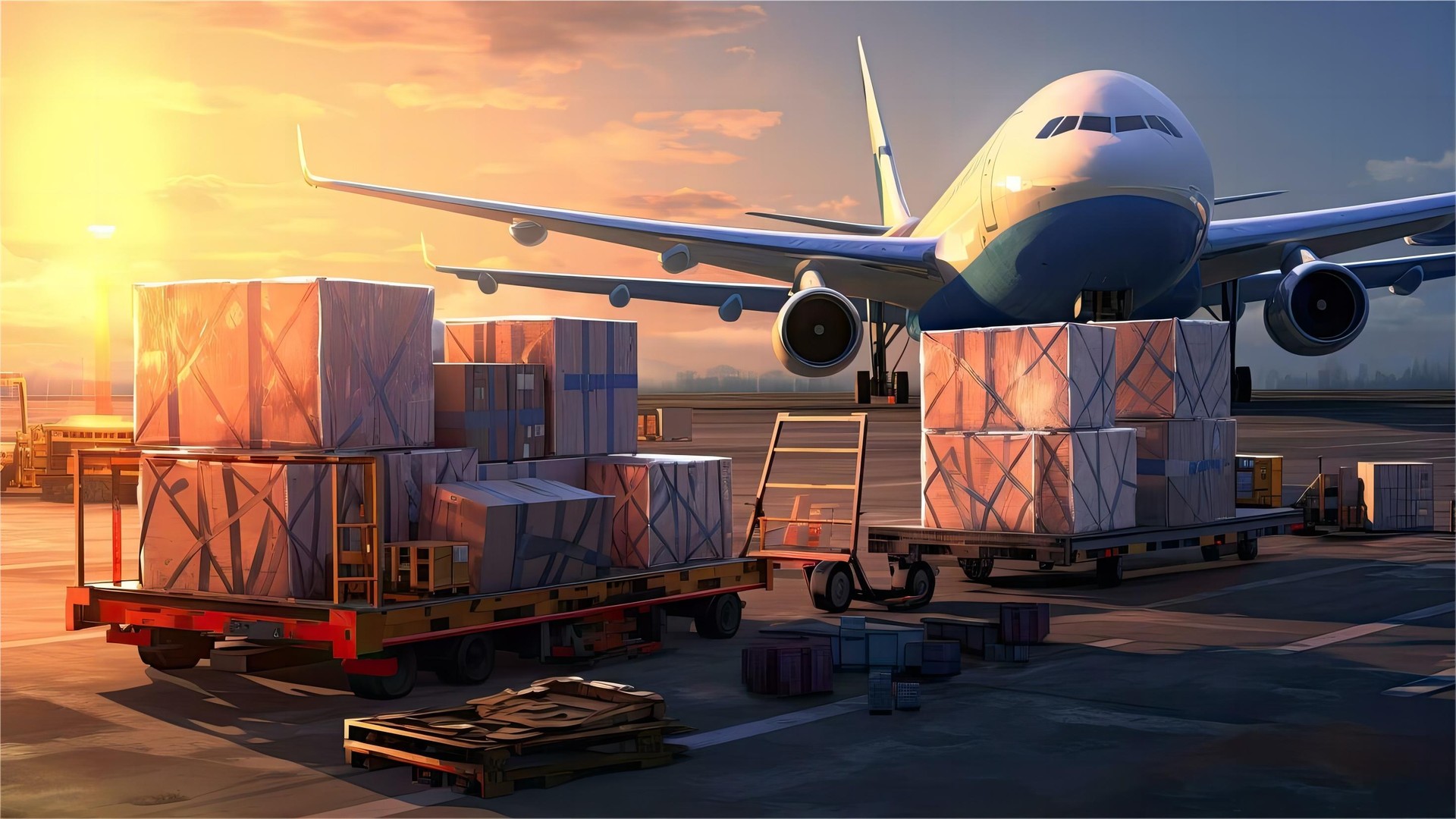
When time is the most critical factor, air freight offers the fastest solution for moving goods from China to global destinations. In the fast-paced market of 2026, being first to shelf can make the difference between a product’s success or failure. For instance, fashion brands and tech companies frequently rely on air transport to meet strict launch deadlines. Consequently, the higher cost is often justified by the increased speed to market and reduced inventory carrying costs.
Furthermore, air cargo provides a higher level of security and reduced risk of damage compared to other methods. This is particularly important for fragile or sensitive items that cannot withstand the long vibrations and humidity of ocean travel. Additionally, the simplified handling processes at airports lead to faster customs clearance and local delivery. Therefore, air transport is an essential component of any agile supply chain strategy.
Nevertheless, businesses must be mindful of the environmental impact and the strict weight limitations associated with planes. As of 2026, many carriers have implemented carbon offset programs, allowing companies to mitigate their ecological footprint. Meanwhile, the use of specialized cargo planes has increased the capacity for oversized air shipments. As a result, even larger items can now be moved via air when the situation demands extreme urgency.

Is Rail Freight a Viable Middle Ground for Europe?
For shipments destined for the European market, rail freight has emerged as a highly effective compromise between speed and cost. This method typically offers transit times that are twice as fast as sea freight while being significantly cheaper than air transport. Specifically, the China-Europe Railway Express has expanded its network to include more destination cities across the continent. Accordingly, it has become a staple for automotive parts and industrial equipment manufacturers.
Moreover, rail transport is less affected by the weather conditions that often plague sea and air routes. This reliability makes it an excellent choice for maintaining a consistent delivery schedule throughout the year. However, it is important to note that rail freight is not available for all regions, such as North America or Australia. Consequently, its utility is highly dependent on the geographical location of your final destination.
In addition, recent investments in rail infrastructure have improved the safety and tracking capabilities of the Iron Silk Road. Importers can now receive daily updates on their cargo’s location as it traverses Central Asia. Indeed, the efficiency of rail borders has improved, reducing the time spent on gauge changes and inspections. To summarize, rail freight provides a strategic advantage for those looking to optimize their China-to-Europe logistics in 2026.
How Does Sea Freight Compare to Other Shipping Options?
To make an informed choice, you must objectively analyze how each shipping method performs across several key metrics. While ocean transport is the leader in volume, it lacks the agility of air or the balanced approach of rail. For example, a delay in a sea shipment can last weeks, whereas an air delay is usually measured in hours or days. Consequently, understanding these trade-offs is essential for managing customer expectations and warehouse operations.
Furthermore, the total landed cost of your shipment involves more than just the freight rate. You must also consider insurance, port fees, and the cost of capital tied up in transit. In many cases, the faster transit time of air freight can reduce the need for large safety stocks, potentially saving money elsewhere in the business. Therefore, a holistic view of your supply chain is necessary when comparing these options.
| Shipping Method | Cost Range (USD) | Transit Time | Best For | Limitations |
|---|---|---|---|---|
| Sea (40HQ) | $3,000 – $6,000 | 30-40 Days | Full containers | Slow transit |
| Air (per kg) | $4.50 – $9.00 | 3-7 Days | Urgent stock | Expensive |
| Rail (per CBM) | $120 – $250 | 18-24 Days | Europe trade | Region specific |
| LCL Sea | $50 – $150/CBM | 35-45 Days | Small loads | Higher damage risk |
Which Option Should You Choose?
Determining the best logistics path requires a clear understanding of your business priorities. If your primary goal is to minimize expenditure, then sea freight is the clear winner for almost all large-scale imports. On the other hand, if you are dealing with perishable goods or seasonal items with a short shelf life, the speed of air freight becomes indispensable. Accordingly, your choice should align with your specific product requirements and market demands.
Additionally, the volume of your shipment plays a major role in the decision-making process. For shipments under 15 CBM, LCL sea freight or rail may be more economical than paying for a full container. However, once you reach the threshold of a 20-foot container, FCL becomes the more secure and cost-effective option. Consequently, calculating the break-even point for different volumes is a vital task for any logistics manager.
Moreover, you should consider hybrid solutions such as sea-air or rail-sea combinations to optimize both cost and speed. These multi-modal approaches allow you to bypass congested ports or take advantage of cheaper long-haul routes. Indeed, the most successful companies in 2026 are those that remain flexible and willing to adapt their methods based on real-time market data. Ultimately, the best china freight forwarding service 2026 will provide the expertise needed to navigate these complex choices.
What Are the Critical Customs Clearance Changes in 2026?
Navigating the legal requirements of international trade is often the most challenging aspect of shipping. In 2026, many countries have implemented stricter digital documentation standards to enhance security and tax collection. Therefore, utilizing a professional customs brokerage service is more important than ever to avoid costly delays at the border. Specifically, ensuring that your HS codes are accurate and your commercial invoices are complete is paramount.
Furthermore, new environmental regulations may require additional certifications for certain types of products, such as electronics or chemicals. Failure to provide these documents can result in heavy fines or the seizure of your cargo. Meanwhile, the use of blockchain technology in customs has improved the speed of verification for trusted traders. Consequently, maintaining a clean compliance record can lead to faster processing times and lower inspection rates.
Additionally, you should be aware of the specific import duties and taxes applicable to your destination country. These rates can change frequently based on trade agreements and political shifts. For instance, shipments to North America may face different tariffs than those heading to Europe or Australia. As a result, it is wise to conduct a thorough duty search before finalizing your purchase orders to ensure your landed cost calculations are accurate.
How to Reduce Landed Costs for Your 2026 Imports
Reducing the total cost of bringing goods to market is a top priority for every importer. One effective strategy is to optimize your packaging to fit more units into a single container, thereby reducing the cost per item. Moreover, consolidating shipments from multiple suppliers into one door to door delivery can significantly lower your local handling fees. Consequently, careful planning at the origin can lead to substantial savings at the destination.
In addition, negotiating long-term contracts with freight forwarders can provide protection against sudden price spikes in the spot market. While this requires a commitment to a certain volume, the stability it offers is often worth the trade-off. However, you should always leave a portion of your volume for the spot market to take advantage of any unexpected price drops. Therefore, a balanced procurement strategy is often the most effective approach.
Furthermore, improving your inventory forecasting can help you avoid the need for expensive emergency air shipments. By maintaining a steady flow of goods via sea or rail, you can keep your transport costs predictable and low. Indeed, the most efficient supply chains are those that prioritize consistency over speed whenever possible. To summarize, cost reduction is a continuous process that requires attention to every detail of the logistics chain.
Real-World Case Studies for 2026 Logistics
Examining real-world scenarios provides valuable insights into the practical application of different shipping strategies. These examples illustrate how various factors like cargo type, route, and timing influence the final outcome of a shipment. Specifically, we have selected cases that represent common challenges and successful solutions in the current 2026 market. Consequently, you can use these as a benchmark for your own logistical planning.
Case Study 1: High-Volume Electronics to USA Route: Shenzhen, China to Los Angeles, USA Cargo: Consumer Electronics, 68 CBM, 12,500 kg Container: 40HQ (Full Container Load) Shipping Details: – Carrier/Service: COSCO Direct Service – Port of Loading: Shenzhen (Yantian) – Port of Discharge: Los Angeles – Route Type: Direct Cost Breakdown: – Ocean Freight: $3,850 – Origin Charges: $450 – Destination Charges: $650 – Customs & Duties (estimated): $2,200 – Total Landed Cost: $7,150 Timeline: – Booking to Loading: 4 days – Sea Transit: 16 days – Customs Clearance: 2 days – Total Door-to-Door: 25 days Key Insight: Using a direct route saved 8 days compared to transshipment.
Case Study 2: Industrial Parts to Germany Route: Ningbo, China to Hamburg, Germany Cargo: Steel Components, 12 CBM, 8,000 kg Container: LCL (Less than Container Load) Shipping Details: – Carrier/Service: Major Rail Operator – Port of Loading: Ningbo (via Xi’an rail hub) – Port of Discharge: Hamburg Terminal – Route Type: Rail Freight Cost Breakdown: – Freight Charges: $2,100 – Origin Charges: $320 – Destination Charges: $480 – Customs & Duties (estimated): $950 – Total Landed Cost: $3,850 Timeline: – Booking to Loading: 5 days – Rail Transit: 20 days – Customs Clearance: 3 days – Total Door-to-Door: 32 days Key Insight: Rail provided a 15-day advantage over sea at 40% of air cost.
Mastering Your 2026 Logistics Strategy
Successfully managing international trade in 2026 requires a proactive approach and a deep understanding of the available shipping options. By choosing the right china freight forwarding service 2026, you can navigate the complexities of customs, fluctuating rates, and technological shifts with confidence. Whether you prioritize the speed of air or the economy of the ocean, the key is to remain flexible and informed.
In conclusion, the logistics landscape is more dynamic than ever, offering both challenges and opportunities for growth. Businesses that invest in strong partnerships and data-driven strategies will be best positioned to thrive in the global marketplace. Remember to always factor in total landed costs and potential risks when planning your shipments. With the right preparation, your 2026 imports from China can be a major driver of your business success.
Ready to streamline your logistics?
Streamline your global operations with a reliable china freight forwarding service 2026 that understands your unique business needs. Contact our expert team today to receive a personalized quote and optimize your 2026 shipping strategy. Visit our inquiry page to get started: Send Inquiry
Request Quote