

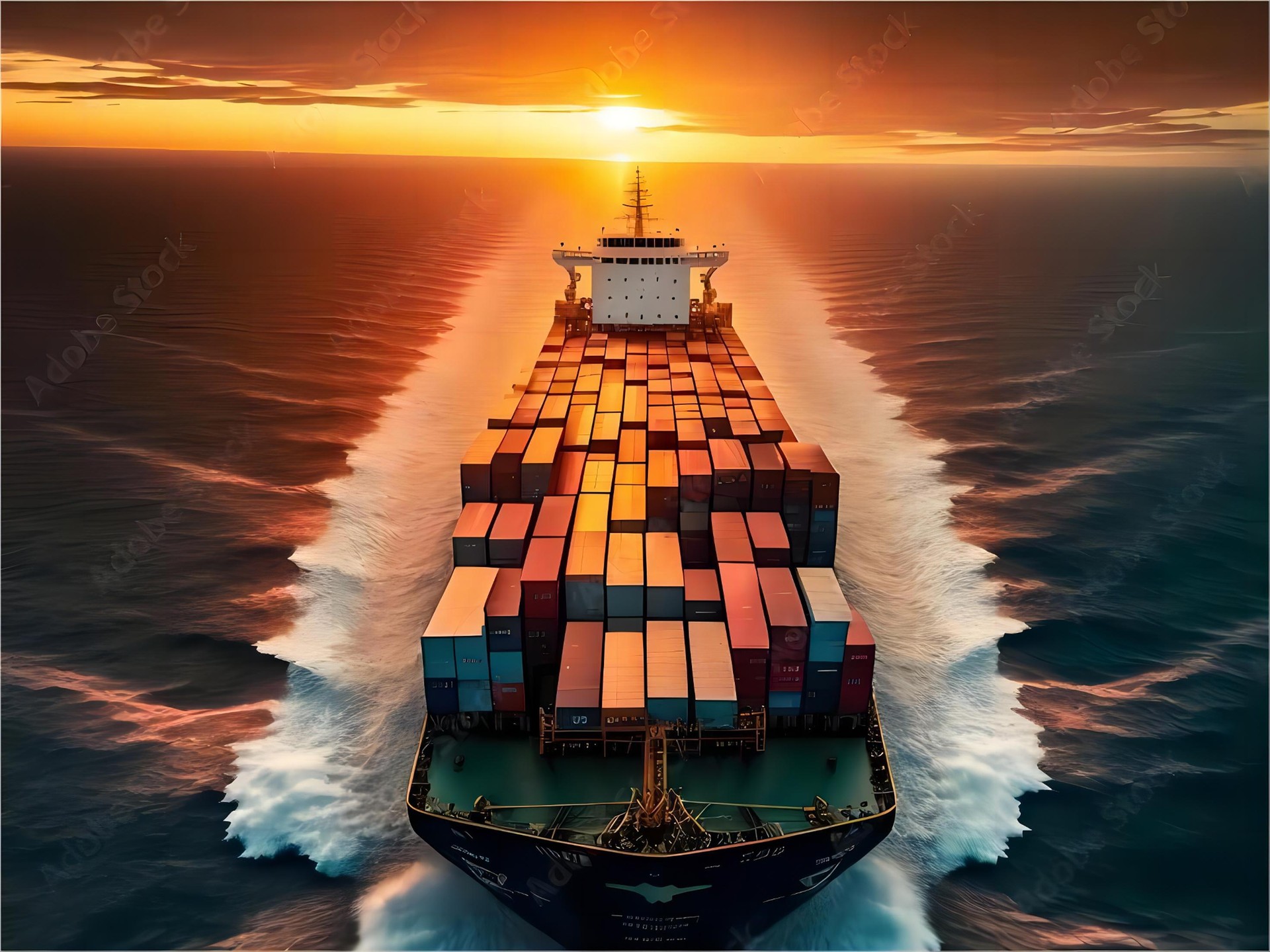
China Freight Forwarder for Ecommerce Pricing: 2026 Guide
Finding a reliable Logistics From China partner for your online business is essential for maintaining healthy profit margins in 2026. Consequently, understanding how a China freight forwarder for ecommerce pricing models work allows you to optimize your supply chain and stay competitive. Many sellers struggle with hidden fees and fluctuating rates, yet a clear strategy can significantly reduce your overhead costs. This guide provides a comprehensive breakdown of current market rates, shipping methods, and cost-saving strategies to help you scale your ecommerce operations effectively.
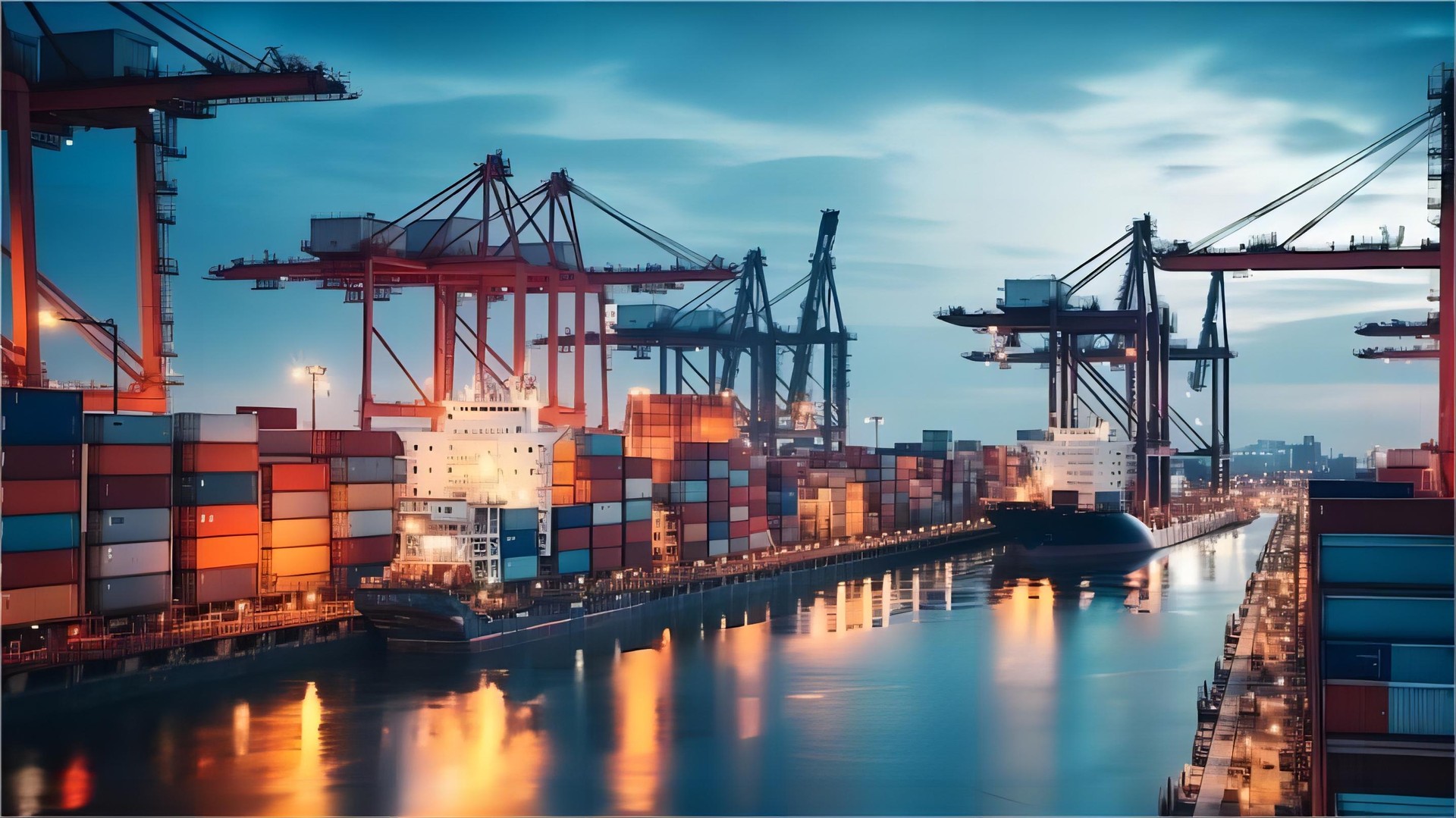
What Factors Influence China Freight Forwarder for Ecommerce Pricing?
Market conditions in early 2026 have introduced new variables into the logistics landscape. For instance, fuel surcharges remain volatile due to shifting energy policies, directly impacting the final quote you receive from your provider. Therefore, businesses must monitor these fluctuations closely to avoid unexpected budget overruns during peak seasons.
Moreover, the volume and weight of your cargo play a pivotal role in determining the cost per unit. Larger shipments often benefit from economies of scale, whereas smaller LCL shipments might incur higher handling fees relative to their size. Additionally, the type of product you sell influences pricing, as hazardous materials or oversized items require specialized handling and insurance.
Seasonal demand is another critical factor that every ecommerce seller should anticipate. Specifically, the period leading up to the Lunar New Year and the Q4 holiday rush typically sees rates increase by 15-25% compared to the mid-year average. Consequently, planning your inventory cycles around these peaks can lead to substantial long-term savings.
How Does Sea Freight Compare to Other Shipping Options?
When evaluating a sea freight strategy, it is vital to weigh the cost benefits against the longer transit times. While ocean transport is the most economical choice for high-volume goods, it requires a robust inventory management system to account for the 30-40 day lead times. In contrast, air or express options offer speed at a much higher price point.
Furthermore, the choice between Full Container Load (FCL) and Less than Container Load (LCL) depends heavily on your current stock requirements. FCL offers better security and faster discharge times, whereas LCL allows for smaller, more frequent shipments that help maintain cash flow. Nevertheless, LCL involves more complex cargo handling, which can sometimes lead to minor delays at the port of discharge.
Industry data suggests that for shipments exceeding 15 cubic meters, switching to a 20GP container is almost always more cost-effective than remaining with LCL. Indeed, the flat rate of a container provides more predictability for your financial forecasting than the per-CBM pricing of consolidated shipments.
| Shipping Method | Cost Range | Transit Time | Best For |
|---|---|---|---|
| Sea Freight | $1,800 – $4,500 | 25 – 45 Days | Bulk Inventory |
| Air Freight | $5.50 – $9.00/kg | 5 – 10 Days | High Value Goods |
| Express Service | $8.00 – $15.00/kg | 3 – 5 Days | Samples / Urgent |
| Rail Freight | $2,200 – $3,500 | 18 – 25 Days | Europe Routes |

Understanding the Benefits of Air Freight for Ecommerce
Utilizing air freight is often the preferred strategy for sellers dealing with lightweight, high-margin electronics or fashion items. Because speed is the primary advantage here, businesses can respond rapidly to market trends and restock popular items within a single week. However, this convenience comes with a price tag that can be five to ten times higher than ocean transport.
Additionally, the pricing for air transport is calculated based on ‘chargeable weight,’ which considers both actual weight and volumetric dimensions. If your packaging is bulky but light, you may end up paying significantly more than expected. Consequently, optimizing your product packaging is one of the most effective ways to reduce your air shipping expenses.
Meanwhile, many successful ecommerce brands adopt a hybrid approach to balance their costs and speed. For example, they might ship 80% of their inventory via sea and use air transport only for emergency restocks or new product launches. This strategy ensures they never run out of stock while keeping the average landed cost manageable.
Why Amazon FBA Logistics Require Specialized Pricing Knowledge?
Shipping directly to fulfillment centers via Amazon FBA logistics requires strict adherence to specific labeling and palletization rules. If your freight forwarder is not well-versed in these requirements, you may face rejection at the warehouse or additional processing fees from Amazon. Therefore, choosing a partner with FBA expertise is crucial for a smooth supply chain.
Moreover, pricing for FBA shipments often includes ‘door-to-door’ services that cover everything from the factory floor to the Amazon dock. This all-inclusive model simplifies the accounting process for sellers but requires careful scrutiny of the breakdown to ensure transparency. In addition, sellers should be aware of the storage limits and long-term storage fees that can accumulate if inventory does not move quickly.
Typical rates for FBA shipping from China to the USA West Coast in 2026 range from $1.50 to $2.80 per kilogram for sea-to-door services. Nevertheless, these rates are subject to change based on the specific warehouse location and the current congestion levels at major ports like Los Angeles or Savannah.
Which Option Should You Choose for Your Ecommerce Store?
Deciding on the right shipping method involves a careful analysis of your business goals and financial constraints. If your primary priority is minimizing costs and you have the capital to hold large amounts of inventory, sea freight is the clear winner. On the other hand, if you operate a lean startup that relies on fast turnover, express services might be more suitable.
Volume thresholds also play a significant role in this decision-making process. For instance, once your monthly volume reaches a full container load, you gain more leverage to negotiate better rates with your freight forwarder. Conversely, if you are just starting, using an express service for small batches allows you to test the market without heavy upfront investment.
Cargo type considerations cannot be ignored either. Fragile items or products with a short shelf life often necessitate faster, more stable transport methods to reduce the risk of damage or expiration. Accordingly, you must align your logistics strategy with the physical characteristics of your products to ensure customer satisfaction.
| Priority | Recommended Method | Volume Threshold | Cost Impact |
|---|---|---|---|
| Low Budget | Sea Freight (LCL/FCL) | > 2 CBM | Lowest per unit |
| High Speed | Express / Air | < 200 kg | Highest per unit |
| Balanced | Rail / Sea-Air | Any | Moderate |

Navigating Customs Brokerage and Documentation Costs
Professional customs brokerage is an often-overlooked component of the total shipping cost. While the freight itself is the largest expense, improper documentation can lead to storage fees, fines, and lengthy delays at the border. Consequently, investing in a forwarder who handles all paperwork accurately is a form of insurance for your business.
Furthermore, import duties and taxes vary significantly depending on the HS code classification of your goods. In 2026, many countries have updated their tariff schedules, making it essential to verify your product’s classification before shipping. Indeed, a slight error in classification could mean the difference between a 0% duty rate and a 25% penalty.
Always ensure your quotes include clear information regarding terminal handling charges and entry filing fees. Without a doubt, transparency in these ‘hidden’ costs is the hallmark of a reputable logistics partner. Visit: https://msc-logistics-group.com/services/customs-brokerage/ to learn more about how professional clearance saves you money.
Real-World Case Studies for China Freight Forwarder for Ecommerce Pricing
Case Study 1: Electronics to Los Angeles. Route: Shenzhen, China to Los Angeles, USA. Cargo: Consumer Electronics, 12 CBM, 2500 kg. Container: LCL 12 CBM. Shipping Details: Major carrier, Direct route. Cost Breakdown: Ocean Freight $1,450; Origin Charges $250; Destination Charges $320; Customs $450; Total Landed Cost $2,470. Timeline: Sea Transit 16 days; Total Door-to-Door 21 days. Key Insight: Direct routing saved 5 days compared to transshipment.
Case Study 2: Home Decor to Hamburg. Route: Ningbo, China to Hamburg, Germany. Cargo: Ceramic Vases, 28 CBM. Container: 20GP Full Container. Shipping Details: COSCO, Transshipment via Singapore. Cost Breakdown: Ocean Freight $2,100; Port Fees $400; Customs $350; Inland Haulage $500; Total Landed Cost $3,350. Timeline: Sea Transit 33 days; Total Door-to-Door 40 days. Key Insight: FCL was 30% cheaper per unit than LCL for this volume.
Case Study 3: Apparel to Sydney. Route: Guangzhou, China to Sydney, Australia. Cargo: Cotton T-shirts, 5 CBM, 800 kg. Container: LCL. Shipping Details: Direct Sea Freight. Cost Breakdown: Ocean Freight $650; Handling $200; Customs $150; Delivery $180; Total Landed Cost $1,180. Timeline: Sea Transit 14 days; Total Door-to-Door 20 days. Key Insight: Efficient local delivery in Sydney reduced the final mile cost significantly.
Strategies to Optimize Your China Freight Forwarder for Ecommerce Pricing
Consolidating shipments from multiple suppliers is one of the most effective ways to lower your costs. Instead of paying for several small LCL shipments, your forwarder can gather all goods at a central warehouse in Shenzhen or Ningbo and ship them as a single FCL. Consequently, you reduce administrative fees and benefit from better container rates.
Moreover, negotiating long-term contracts with your logistics provider can protect you from sudden market spikes. While spot rates might be lower during the off-season, a fixed-rate contract provides the budget stability necessary for large-scale ecommerce planning. Additionally, look for providers who offer value-added services like quality inspections or repackaging at the origin.
Finally, always request a detailed ‘all-in’ quote that breaks down every possible charge. This practice prevents the common issue of ‘bill shock’ when your goods arrive at the destination port. Therefore, being proactive and detail-oriented during the quoting phase is the best way to ensure your China freight forwarder for ecommerce pricing remains competitive.
Mastering Your Ecommerce Logistics Strategy
Navigating the complexities of China freight forwarder for ecommerce pricing requires a blend of market knowledge, strategic planning, and the right partnerships. By understanding the factors that influence rates and choosing the most appropriate shipping methods, you can significantly enhance your business’s profitability. Whether you choose sea, air, or rail, the key is consistency and transparency in your logistics operations.
As we move through 2026, staying informed about industry trends and customs regulations will remain a top priority for successful sellers. Remember that the cheapest price is not always the best value if it comes at the cost of reliability or speed. Choose a partner that understands your unique ecommerce needs and provides the support necessary to help your brand grow on the global stage.
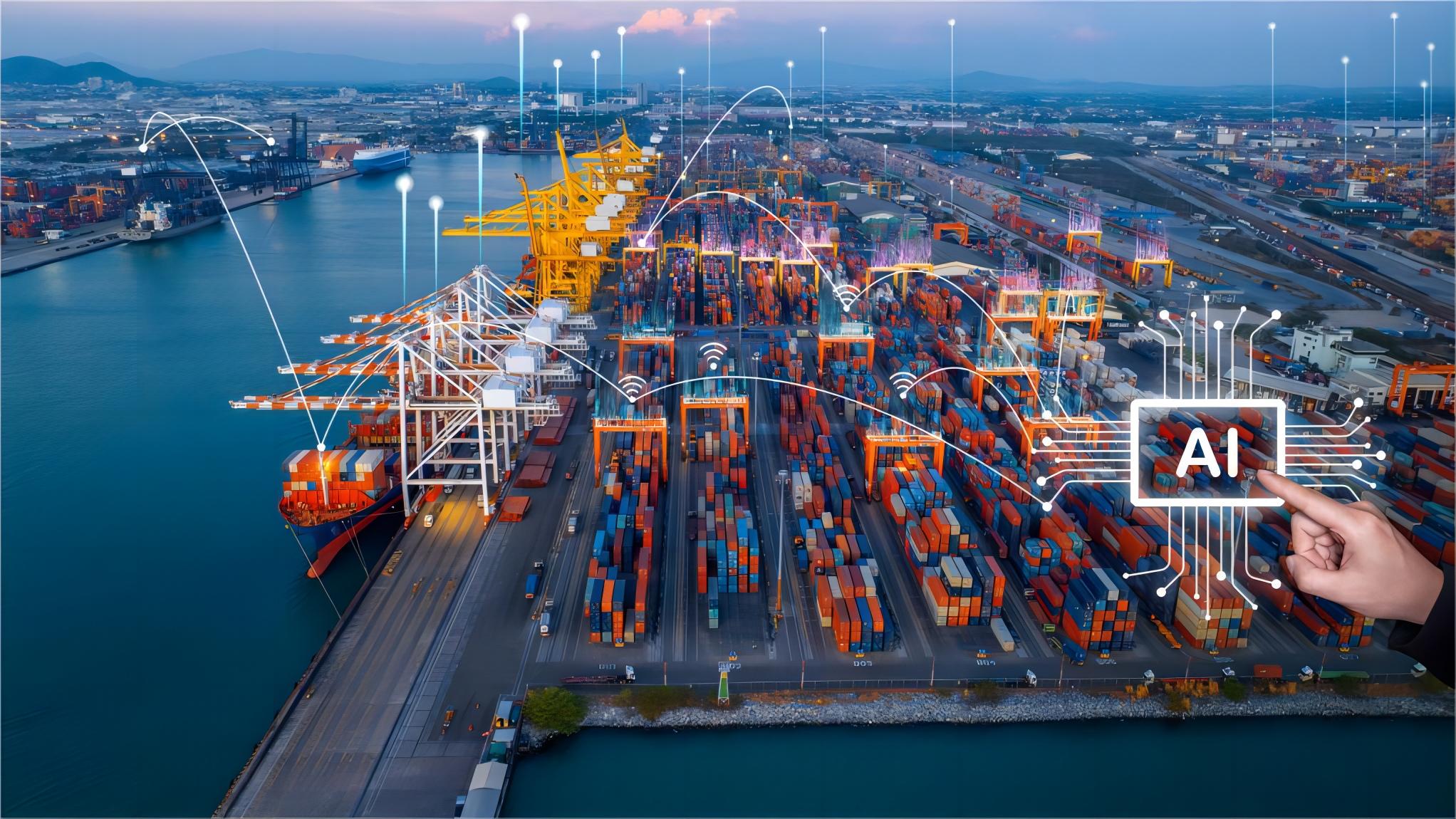
Start Your Shipment
Are you ready to optimize your supply chain and reduce your shipping expenses in 2026? Contact our expert team today for a customized quote on China freight forwarder for ecommerce pricing. Visit: https://msc-logistics-group.com/ and let us handle your global logistics with precision and care. Send Inquiry: Visit our website to get started.
Request Quote