

Professional China Customs Clearance Service Supplier for Global Trade
“Navigating the complexities of international trade requires a dependable partner to handle strict regulatory requirements. Finding the right Logistics From China partner ensures your goods move through borders without unnecessary delays or penalties. A professional china customs clearance service supplier provides the specialized expertise needed to manage documentation, compliance, and tax calculations effectively. This guide explores how to select the best provider to streamline your global supply chain operations.”
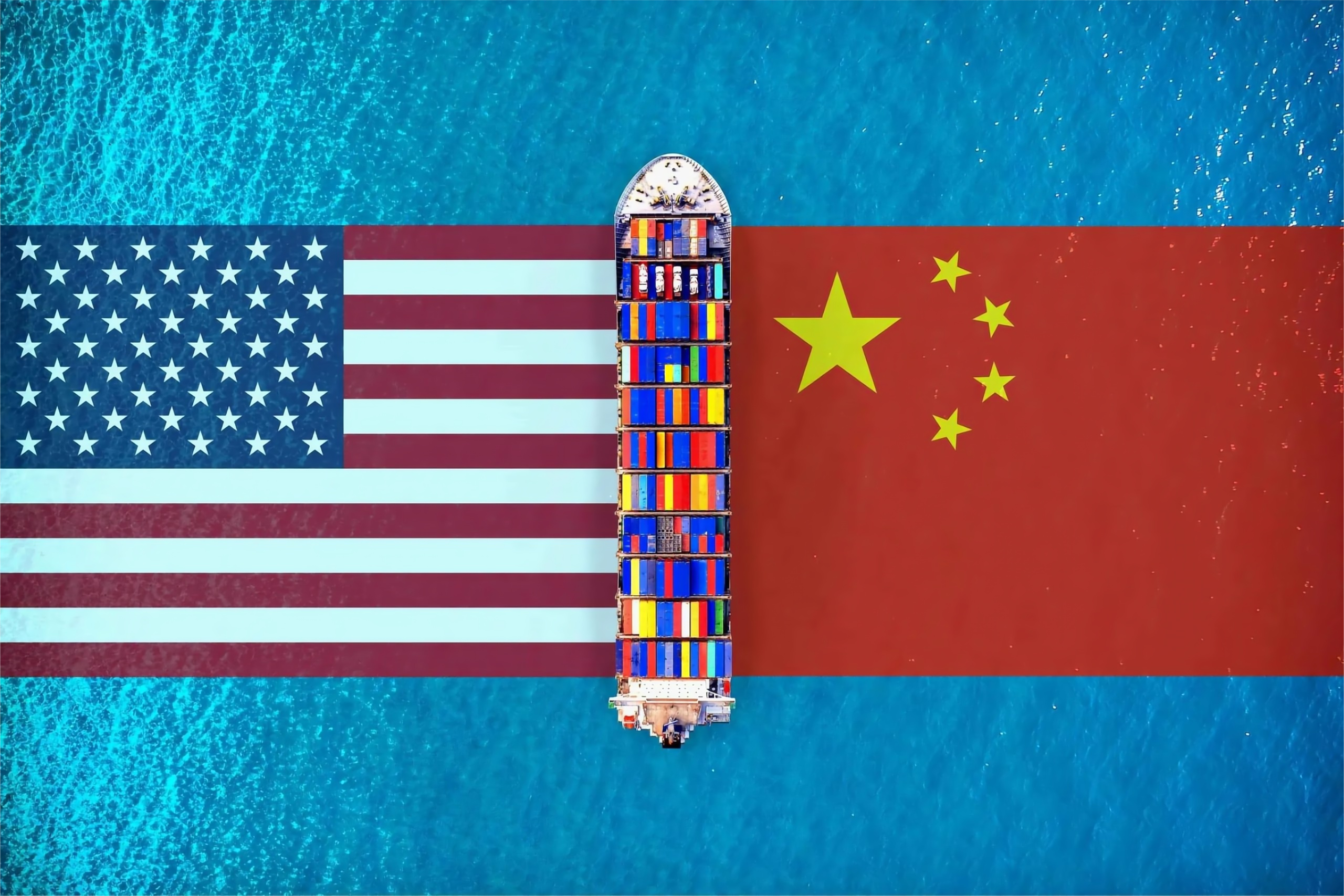
Why You Need a Professional China Customs Clearance Service Supplier
❖International shipping involves a vast array of legal requirements that change frequently based on trade agreements and local laws. Consequently, businesses often struggle to keep up with the specific HS code classification and duty rates required for their products. Hiring an expert ensures that every shipment complies with current international shipping regulations.
Moreover, a specialized provider reduces the risk of cargo being held at the port of entry due to paperwork errors. These delays can lead to significant storage fees and disrupted delivery schedules for your customers. Therefore, investing in professional services is a proactive way to maintain supply chain efficiency and protect your bottom line.
Additionally, a china customs clearance service supplier acts as a bridge between your business and government authorities. They handle the communication with customs officials to resolve any issues that may arise during the inspection process. Indeed, having a local expert on the ground in China provides a significant advantage for western importers.
How Does Customs Brokerage Compare to Other Shipping Options?
❖Choosing the right shipping method is just as important as selecting a reliable sea freight provider for your large volume shipments. While some companies attempt to handle customs in-house, most find that the complexity of modern trade requires external support. For instance, air freight offers speed but demands much stricter documentation compared to ocean transport.
Furthermore, businesses must evaluate the trade-offs between cost and speed when planning their logistics strategy. While air freight is ideal for high-value electronics, it may not be sustainable for bulk commodities. On the other hand, rail freight provides a balanced middle ground for shipments moving from China to Europe.
In contrast, small businesses might prefer express services that include basic clearance in their flat rates. However, for large commercial shipments, a dedicated customs broker is necessary to manage complex tariff rates and customs bond requirements. Use the table below to compare the primary shipping methods available from China.
| Shipping Method | Cost Range | Transit Time | Best For |
|---|---|---|---|
| Sea Freight (FCL) | $1,500 – $4,500 | 18 – 40 Days | Large bulk orders |
| Air Freight | $5 – $12 per kg | 3 – 7 Days | Urgent high-value goods |
| Rail Freight | $2,000 – $3,500 | 15 – 22 Days | Inland European cargo |
| Express Service | $8 – $20 per kg | 2 – 5 Days | Samples and small parcels |
Which Option Should You Choose? Decision Framework
❖Determining the best shipping strategy depends on your specific budget priorities and the nature of your cargo. If your primary goal is cost reduction, sea freight is generally the most economical choice for shipments exceeding 15 CBM. Meanwhile, if you are launching a new product and need it in stock immediately, air freight is the superior option.
Cargo type also dictates the necessary level of customs involvement. For example, hazardous materials or food products require specialized permits that a professional china customs clearance service supplier must verify before departure. Consequently, you should always consult with your broker during the product development phase to avoid future import hurdles.
Volume thresholds often determine when it is time to switch from LCL to FCL shipping. Usually, once a shipment reaches 13 to 15 cubic meters, booking a full 20GP container becomes more cost-effective. Nevertheless, you must ensure your warehouse can handle the volume of a full container before making the switch.
The Essential Role of a Customs Brokerage Partner
❖Professional customs brokerage services go far beyond simply filling out forms. They provide critical market intelligence regarding trade wars, anti-dumping duties, and new environmental regulations. As a result, your business can adapt quickly to changing global conditions without facing unexpected financial penalties.
Furthermore, many suppliers offer integrated door to door solutions that simplify the entire experience for the importer. This model allows the logistics provider to manage every step from the factory floor in China to your final warehouse destination. Indeed, this comprehensive approach minimizes the number of touchpoints and reduces the risk of communication errors.
Without a doubt, the most important task of a broker is ensuring correct HS code classification. Misclassifying a product can lead to overpaying duties or, even worse, being accused of tax evasion by customs authorities. Therefore, having a certified professional review your product specifications is a vital step in the shipping process.
Essential Documentation for China Customs Clearance
❖Documentation serves as the foundation of every successful international shipment. If the commercial invoice does not match the packing list, customs officials will likely flag the cargo for a physical inspection. Consequently, you must work closely with your china customs clearance service supplier to verify all paperwork before the ship leaves the port.
Moreover, certain products require specific certificates of origin or export licenses to leave China legally. For instance, medical equipment and certain high-tech components are subject to strict export controls. Accordingly, your logistics partner should provide a checklist of required documents early in the booking process.
Typical rates as of early 2024 suggest that documentation fees are a small but essential part of the total landed cost. While these fees are minor, the cost of missing a single document can be thousands of dollars in port storage fees. Refer to the following table for a checklist of standard requirements.
| Document Name | Purpose | Issued By | Required For |
|---|---|---|---|
| Commercial Invoice | Value declaration | Seller/Supplier | All shipments |
| Packing List | Content details | Seller/Supplier | All shipments |
| Bill of Lading | Title to goods | Carrier/Forwarder | All shipments |
| Certificate of Origin | Tax/Duty benefits | Chamber of Commerce | Preferential trade |
Realistic Case Studies of China Customs Success
❖Analyzing real-world scenarios helps importers understand the potential challenges and costs associated with global logistics. These examples reflect actual market conditions from late 2023 to early 2024. By reviewing these cases, you can better estimate your own shipping timelines and budgets.
Case Study 1: Electronics from Shenzhen to Hamburg. Route: Shenzhen to Hamburg. Cargo: Consumer Electronics, 18 CBM, 4500 kg. Container: LCL. Shipping Details: Major carrier via Suez Canal. Port of Loading: Shenzhen. Port of Discharge: Hamburg. Cost Breakdown: Ocean Freight $2,100, Origin Charges $450, Destination Charges $600, Customs and Duties $1,200. Total Landed Cost: $4,350. Timeline: Booking to Loading 4 days, Sea Transit 34 days, Customs Clearance 2 days, Total Door-to-Door 42 days. Key Insight: Accurate HS coding saved the client 5 percent in anticipated duties.
Case Study 2: Industrial Machinery from Shanghai to Los Angeles. Route: Shanghai to Los Angeles. Cargo: CNC Machinery, 28 CBM, 8000 kg. Container: 20GP. Shipping Details: Direct service. Port of Loading: Shanghai. Port of Discharge: Los Angeles. Cost Breakdown: Ocean Freight $2,400, Origin Charges $500, Destination Charges $750, Customs and Duties $3,500. Total Landed Cost: $7,150. Timeline: Booking to Loading 5 days, Sea Transit 16 days, Customs Clearance 3 days, Total Door-to-Door 26 days. Key Insight: Pre-filing customs documentation prevented delays during a period of high port congestion.
Note: Freight rates are subject to change based on fuel costs, carrier capacity, and seasonal demand. Contact us for a current quote tailored to your specific shipment.
Market Trends and Data for China Logistics (2024-2025)
❖As of Q1 2024, freight rates from China to Europe have stabilized after the previous year’s disruptions. However, the industry continues to face challenges from fluctuating fuel prices and shifting geopolitical alliances. Consequently, many importers are diversifying their shipping routes to include more rail freight options for better stability.
Industry average for the China to USA route suggests that rates typically increase by 15 to 25 percent during the August to October peak season. Therefore, planning your shipments well in advance of the holiday rush is essential for maintaining your margins. Additionally, the adoption of digital customs platforms is speeding up the clearance process at major Chinese ports like Ningbo and Shanghai.
Market data suggests that sustainability is becoming a key factor in logistics provider selection. Many carriers are now offering carbon-offsetting programs and utilizing LNG-powered vessels to reduce environmental impact. Indeed, choosing a forward-thinking china customs clearance service supplier can help your business meet its own corporate social responsibility goals.
Cost-Saving Strategies for International Shipping
❖Reducing your total landed cost requires more than just finding the lowest freight rate. For example, optimizing your packaging can significantly reduce the volume of your shipment, allowing you to fit more goods into a single container. Furthermore, consolidating multiple small orders into one larger shipment can help you avoid repetitive minimum fees.
Another effective strategy involves utilizing bonded warehouses to defer duty payments until the goods are actually sold. This approach improves your cash flow and provides more flexibility in your distribution network. Meanwhile, always request multiple quotes to ensure you are receiving competitive market rates for your specific lane.
Finally, maintaining a clean compliance record with customs authorities can lead to fewer inspections over time. Because inspections are both time-consuming and expensive, avoiding them through meticulous documentation is a major cost-saving measure. Always verify that your china customs clearance service supplier has a proven track record of high compliance standards.
Partnering for Success in Global Logistics
Successfully managing international trade requires a combination of strategic planning and expert execution. By choosing a qualified china customs clearance service supplier, you gain a partner who understands the nuances of global regulations and port operations. This relationship allows you to focus on your core business while we handle the complexities of moving goods across borders.
To summarize, whether you are shipping by sea, air, or rail, the importance of customs compliance cannot be overstated. Accurate documentation, correct HS code classification, and proactive communication are the keys to avoiding costly delays. We encourage you to utilize the frameworks and data provided in this guide to optimize your shipping strategy for the coming year.
Ready to streamline your logistics?
Streamline your international trade operations today by partnering with a professional china customs clearance service supplier. Our team provides expert guidance on customs brokerage and global logistics to ensure your cargo arrives on time and within budget. Contact us now to request a personalized quote for your next shipment from China. Visit our website to learn more: Get a Quote Today
Request Quote