

Shipping from China for Ecommerce Mexico: The Complete 2025 Guide
Shipping from china for ecommerce mexico has emerged as a vital pipeline for digital entrepreneurs looking to scale their operations in North America. Many businesses now leverage the expertise of Logistics From China to manage complex international supply chains efficiently. However, success in the Mexican market requires a deep understanding of transit modes and local customs regulations. Consequently, choosing the right freight strategy can significantly impact your profit margins and customer satisfaction levels.
Understanding the Growth of Shipping from China for Ecommerce Mexico
Ecommerce in Mexico is currently experiencing an unprecedented boom, driven by increased internet penetration and a growing middle class. Specifically, consumers are looking for diverse product ranges that are often manufactured in Chinese industrial hubs like Shenzhen and Ningbo. Furthermore, the proximity of Mexico to the United States makes it a strategic hub for regional distribution. Therefore, establishing a reliable shipping route from China is no longer optional for competitive online retailers.
Logistics providers have responded by creating specialized services tailored to the needs of small and medium-sized enterprises. Additionally, improved infrastructure in Mexican ports like Manzanillo and Lazaro Cardenas has reduced bottlenecks for incoming cargo. Nevertheless, shippers must remain vigilant about fluctuating freight rates and seasonal demand spikes. Indeed, planning your inventory cycles around Chinese holidays can save thousands of dollars in emergency shipping costs.
Evaluating Air Freight for Urgent Ecommerce Inventory
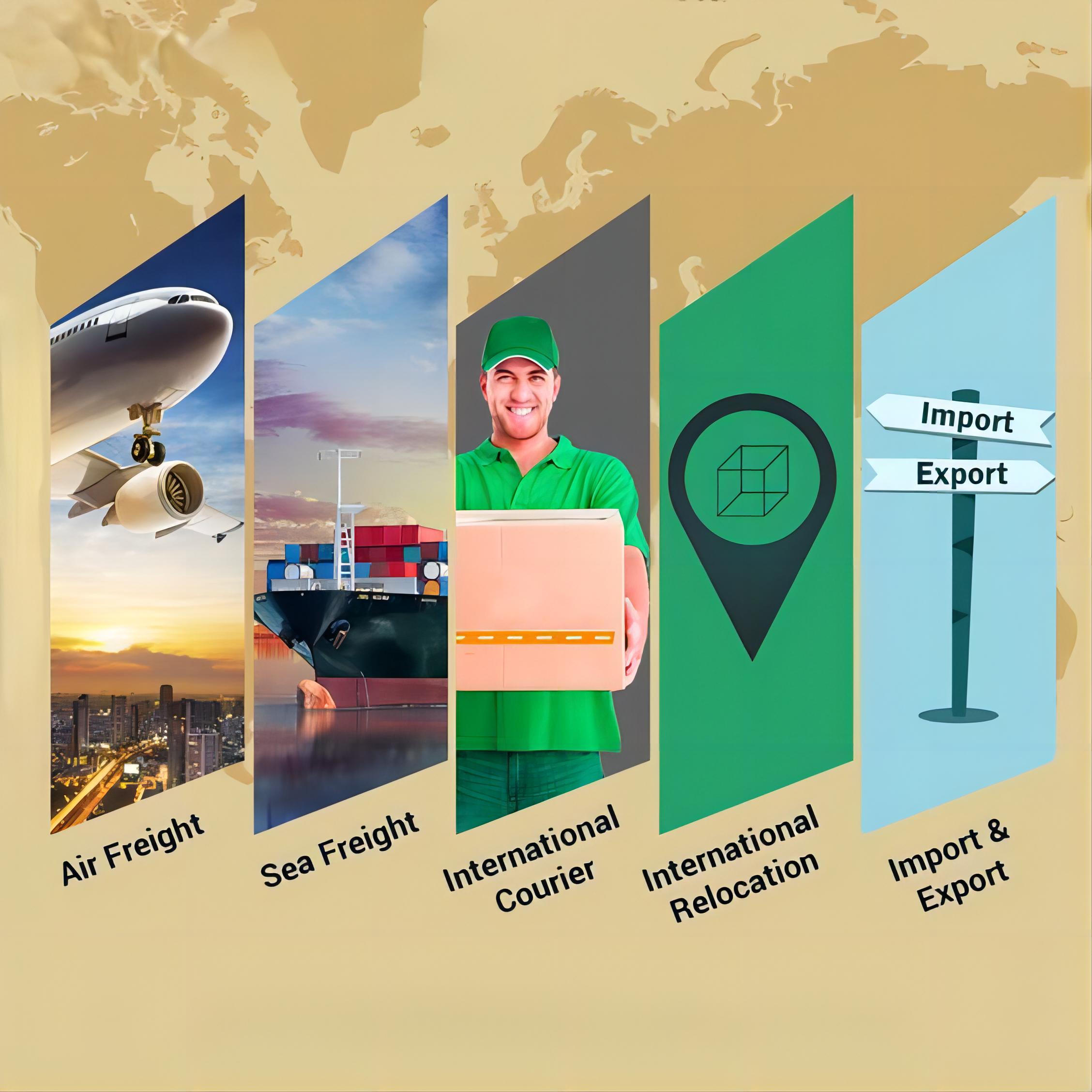
When speed is the primary concern for your online store, air freight offers the fastest transit times available. Most shipments from major Chinese airports reach Mexico City or Guadalajara within five to eight business days. Moreover, air transport provides a higher level of security for high-value items such as electronics or designer apparel. Consequently, this method is ideal for restocking best-sellers or launching new product lines with minimal delay.
Cost considerations remain the biggest hurdle for businesses choosing air transport over sea routes. Typically, air freight is billed by either actual weight or volumetric weight, whichever is greater. For instance, lightweight but bulky items can become quite expensive to ship via plane. Accordingly, many sellers use air freight as a secondary strategy to supplement their main inventory during peak shopping seasons like Buen Fin.
How Does Sea Freight Compare to Other Shipping Options?
For bulk orders and heavy goods, sea freight remains the most cost-effective solution for Mexican importers. While the transit time is significantly longer than air, the price per unit is drastically lower. Specifically, shipping a full container can be up to ten times cheaper than sending the same volume by air. Therefore, sea freight is the foundation of most long-term ecommerce growth strategies.
Choosing between Full Container Load (FCL) and Less than Container Load (LCL) depends on your specific volume. FCL is generally faster and safer as the container is dedicated to your goods alone. On the other hand, LCL allows smaller sellers to share space and costs with other importers. Meanwhile, you must account for the additional time required for consolidating and deconsolidating LCL shipments at the port.
| Shipping Method | Cost Range | Transit Time | Best For |
|---|---|---|---|
| Air Freight | $5.50 – $9.00 per kg | 5-8 Days | High-value, urgent goods |
| Sea Freight (LCL) | $150 – $350 per CBM | 30-45 Days | Small bulk shipments |
| Sea Freight (FCL) | $3,500 – $5,500 per 40HQ | 25-35 Days | Large inventory restocks |
| Express Service | $8.00 – $15.00 per kg | 3-5 Days | Samples and small parcels |
Utilizing Express Services for Small Parcel Delivery
Many startup ecommerce brands begin their journey by using an express service like DHL, FedEx, or UPS. These carriers provide a seamless door-to-door experience that simplifies the complex world of international logistics. Furthermore, express shipping includes basic customs clearance services, which reduces the administrative burden on the seller. Consequently, it is a popular choice for dropshipping or sending product samples to Mexican influencers.
Despite the convenience, express shipping costs can escalate quickly as your business grows. Most express providers use a strict dimensional weight formula that penalizes large packages. Additionally, while the service is fast, you may still face delays if the documentation for Mexican customs is incomplete. Therefore, transition to traditional freight methods once your shipment volumes exceed 100 kilograms per month.
Navigating Customs Brokerage and Mexico Import Regulations
The complexity of Mexican customs is often the biggest challenge for those shipping from china for ecommerce mexico. Every imported product must be classified under a specific HS Code to determine the applicable duties and taxes. Moreover, certain goods require a NOM certification, which proves they meet Mexican safety and quality standards. Without a professional customs brokerage partner, your goods could be held at the port indefinitely.
Import duties in Mexico vary widely depending on the product category and the country of origin. Although Mexico has many trade agreements, imports from China are typically subject to standard Most Favored Nation (MFN) rates. Furthermore, a 16 percent Value Added Tax (IVA) is applied to the total landed cost of the goods. Consequently, accurate calculation of these expenses is essential for maintaining your ecommerce pricing strategy.
| Document Name | Purpose | Required By | Criticality |
|---|---|---|---|
| Commercial Invoice | Proof of transaction | Customs | Mandatory |
| Packing List | Details of cargo | Warehouse/Customs | Mandatory |
| Bill of Lading | Title of goods | Carrier | Mandatory |
| NOM Certificate | Safety compliance | Mexican Govt | Product specific |
Optimizing Amazon FBA Shipping from China to Mexico
Selling on Amazon.com.mx requires a logistics strategy that meets the platform strict delivery windows. Using a specialized Amazon FBA shipping service ensures your products are labeled and packaged correctly before leaving China. Furthermore, these services often include prep work like poly-bagging and suffocation warning labels. As a result, you avoid the costly penalties and storage fees associated with non-compliant shipments.
Direct shipping to Amazon fulfillment centers in Mexico usually involves a Delivered Duty Paid (DDP) arrangement. This means the shipping provider handles all duties and taxes, delivering the goods ready for sale. Additionally, using a freight forwarder with experience in the Mexican market helps navigate the specific delivery appointments required by Amazon warehouses. Consequently, your inventory becomes available for Prime customers much faster than with traditional methods.
Which Option Should You Choose? A Decision Framework
Choosing the right method depends heavily on your budget priority and current inventory levels. If you are operating with low margins and can afford to wait, sea freight is almost always the superior choice. On the other hand, if you are testing a new market or have a stockout on a high-demand item, air freight becomes necessary. Specifically, consider the total landed cost rather than just the shipping rate when making your decision.
Cargo type considerations also play a major role in your selection process. For example, heavy furniture or industrial equipment is physically and financially impossible to ship via air. Meanwhile, perishable goods or fast-fashion items lose value every day they spend at sea. Therefore, a hybrid approach, using sea freight for baseline stock and air freight for top-ups, often provides the best balance of cost and speed.
Real-World Case Studies for Mexico Shipping
Case Study 1: Electronics Restock. Route: Shenzhen to Mexico City. Cargo: 500kg of Bluetooth headphones. Method: Air Freight. Total Landed Cost: $4,800. Timeline: 7 days. Key Insight: Using air freight allowed the seller to capitalize on a viral social media trend before competitors could restock via sea.
Case Study 2: Home Decor Bulk Order. Route: Ningbo to Manzanillo. Cargo: 15 CBM of ceramic vases. Method: Sea Freight LCL. Total Landed Cost: $3,200. Timeline: 38 days. Key Insight: Consolidating multiple small orders into one LCL shipment reduced the shipping cost per unit by 40 percent compared to express options.
Case Study 3: Peak Season Fashion. Route: Shanghai to Guadalajara. Cargo: 40ft HQ Container of apparel. Method: Sea Freight FCL. Total Landed Cost: $7,500. Timeline: 32 days. Key Insight: Booking the container six weeks in advance of the Q4 peak season avoided a 20 percent rate hike implemented by carriers in November.
Cost-Saving Strategies for Ecommerce Imports
Reducing your expenses when shipping from china for ecommerce mexico requires proactive management of your supply chain. One effective strategy is to consolidate shipments from multiple Chinese suppliers into a single container. Furthermore, optimizing your product packaging to reduce dead space can lower your volumetric weight charges. Consequently, you pay only for the space you actually use, improving your overall shipping efficiency.
Negotiating long-term contracts with freight forwarders can also provide stability in a volatile market. While spot rates might occasionally be lower, a fixed contract protects you from sudden price surges during the holidays. Additionally, consider shipping to secondary ports in Mexico if the main hubs are experiencing significant congestion. Indeed, a slightly longer inland transit time can sometimes be faster than waiting for a berth at a crowded port.
Mastering Your Mexico Ecommerce Logistics
In conclusion, shipping from china for ecommerce mexico is a complex but rewarding endeavor for modern retailers. By balancing air and sea freight options, you can maintain high service levels while protecting your bottom line. Moreover, partnering with experienced customs brokers ensures that your goods pass through the border without unnecessary delays. As the Mexican digital market continues to expand, those with the most efficient logistics will ultimately lead the competition. Start planning your 2025 shipping strategy today to secure your place in this thriving economy.

Ready to streamline your logistics?
Ready to streamline your shipping from china for ecommerce mexico? Contact our expert team today to receive a customized quote and optimize your supply chain for the Mexican market. Visit our inquiry page to get started.
Request Quote