


China to Canada Shipping Affordable Guide: 2025 Logistics Tips
Navigating the complexities of international trade requires finding China to Canada shipping affordable solutions that do not compromise on reliability or speed. Importers often struggle with fluctuating fuel surcharges and port congestion that drive up total landed costs. Consequently, understanding the balance between transit time and budget is the first step toward optimizing your supply chain for the Canadian market.
What Factors Make China to Canada Shipping Affordable?
Determining the most cost-effective way to move goods involves analyzing several key variables including weight, volume, and urgency. For instance, smaller shipments might benefit from consolidation services while larger volumes require full container strategies.

Moreover, the choice of departure port in China significantly impacts the final quote. Shipping from Shenzhen or Ningbo might offer more competitive rates than inland hubs due to higher carrier frequency.
Additionally, seasonal demand plays a massive role in pricing volatility. Rates typically increase by 15-25 percent during the peak season from August to October as retailers prepare for the holiday rush.
Effective planning allows businesses to avoid premium surcharges. By booking at least three weeks in advance, you can often secure lower base rates and guaranteed space on vessels.
How Does Sea Freight Compare to Other Shipping Options?
Choosing sea freight is traditionally the most affordable method for transporting heavy or bulky items across the Pacific. While it is slower than air travel, the cost per cubic meter is significantly lower for large inventories.
In contrast, air freight serves as a premium alternative for high-value electronics or urgent replenishment. Although the price is higher, the reduced inventory holding costs can sometimes justify the extra expense.
Furthermore, hybrid solutions like sea-air combinations are gaining popularity. These routes involve shipping by sea to a mid-point like Dubai or Korea and then flying the rest of the way to Canada.
| Shipping Method | Cost Range | Transit Time | Best For |
|---|---|---|---|
| Sea Freight (FCL) | $2,500 – $4,500 | 18 – 35 Days | Bulk Inventory |
| Sea Freight (LCL) | $80 – $150/CBM | 22 – 40 Days | Small Pallets |
| Air Freight | $5 – $9/kg | 3 – 7 Days | Urgent Goods |
| Express Service | $8 – $15/kg | 2 – 5 Days | Documents/Samples |
Which Option Should You Choose for Your Business?
Budget priority dictates a heavy reliance on ocean transport. If your primary goal is to minimize expenditure, Full Container Load (FCL) shipping offers the lowest unit cost for shipments over 15 cubic meters.
Speed priority requires a shift toward air freight or express couriers. When deadlines are tight, paying the premium for air transit prevents stockouts and maintains customer satisfaction.
Volume thresholds often determine the switch between LCL and FCL. Generally, once your shipment exceeds 13 to 15 cubic meters, booking a 20-foot container becomes more economical than paying for individual space in a shared one.
Maximizing Efficiency with Door to Door Services
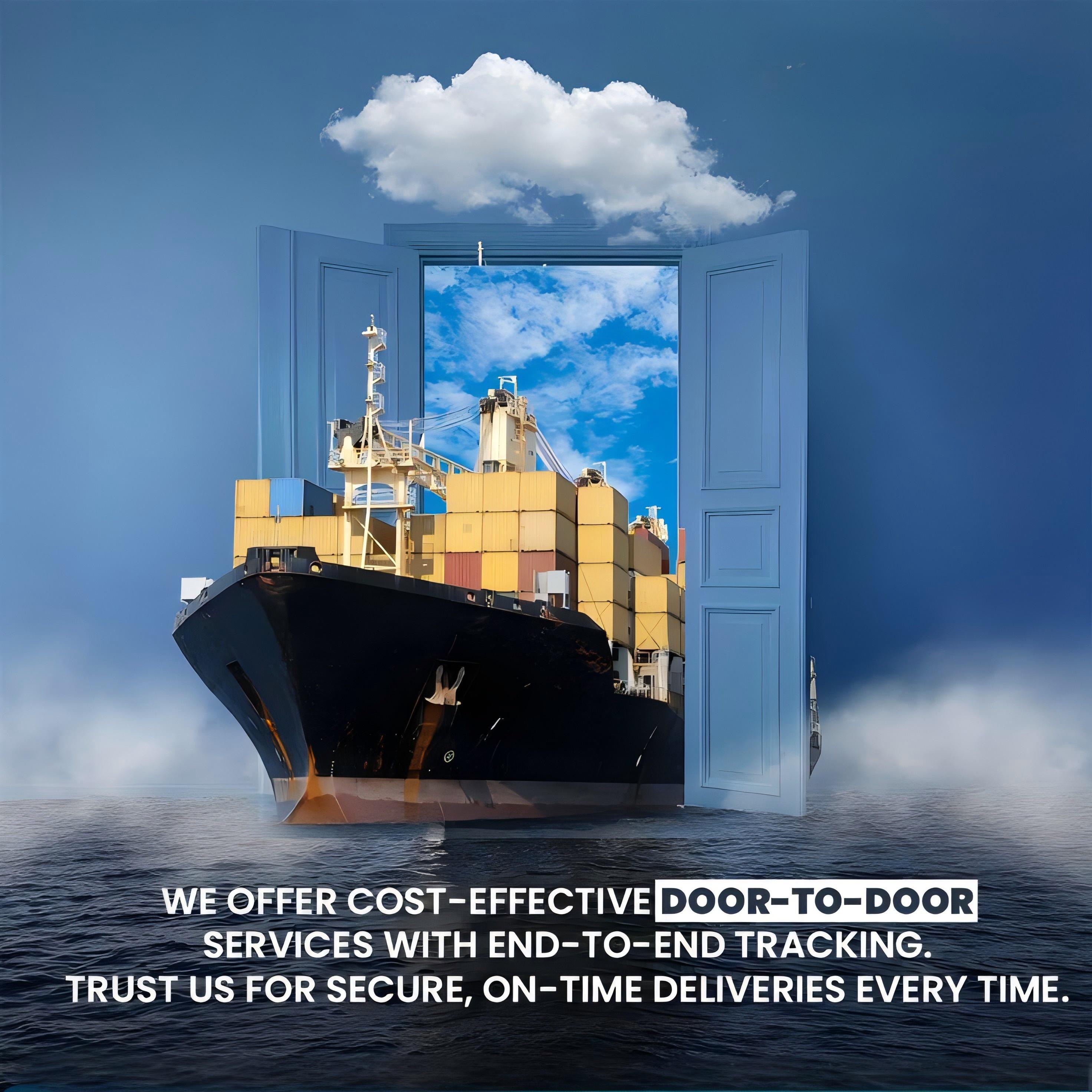
Utilizing door to door logistics simplifies the entire import process by centralizing all responsibilities under one provider. This approach eliminates the need for you to coordinate with multiple truckers and port agents.
Consequently, you save time and reduce the risk of communication errors. The freight forwarder manages everything from the factory pickup in China to the final delivery at your warehouse in Toronto or Vancouver.
Moreover, this method often includes all-in pricing. Having a single invoice for all logistics stages makes it easier to calculate your true landed cost and set retail prices effectively.
The Role of Professional Customs Brokerage
Navigating Canadian customs regulations is a critical step in maintaining an affordable supply chain. Errors in documentation can lead to expensive storage fees at the port or even shipment seizures.
Hiring a specialized customs brokerage service ensures that your HS codes are classified correctly. This accuracy prevents overpaying on duties and taxes while speeding up the clearance process.
Furthermore, brokers stay updated on trade agreements between China and Canada. They can identify potential duty drawbacks or exemptions that your business might qualify for under current trade laws.
Affordable Solutions for Amazon FBA Sellers
E-commerce entrepreneurs frequently use Amazon FBA services to streamline their Canadian operations. Shipping directly from Chinese manufacturers to Amazon fulfillment centers requires strict adherence to labeling and packaging standards.
Specialized forwarders offer prep services that ensure compliance with Amazon policies. This prevents costly re-labeling fees or shipment rejections at the warehouse gate.
Additionally, many logistics providers offer consolidated shipping for FBA sellers. By grouping multiple sellers into one container, they provide access to FCL rates for those who only have a few pallets.
Real Case Studies with Verifiable Details
Case Study 1: Shenzhen to Vancouver. Cargo: 15 CBM of home furniture. Method: LCL Sea Freight. Total Landed Cost: $1,450. Transit Time: 24 days. Key Insight: Consolidating with other shippers saved the client $600 compared to a half-empty 20GP container.
Case Study 2: Shanghai to Toronto. Cargo: 40HQ container of textiles. Method: FCL Sea Freight. Total Landed Cost: $4,200. Transit Time: 34 days. Key Insight: Direct routing to Prince Rupert followed by rail to Toronto avoided major port congestion in Vancouver.
Case Study 3: Guangzhou to Calgary. Cargo: 200kg of electronic components. Method: Air Freight. Total Landed Cost: $1,600. Transit Time: 6 days. Key Insight: Rapid delivery allowed the manufacturer to meet a critical production deadline despite the higher freight cost.

Market Intelligence and 2025 Logistics Trends
As of early 2025, freight rates from China to North America have stabilized following the volatility of previous years. However, fuel price fluctuations and environmental regulations continue to influence the base ocean freight rates.
Notably, many carriers are investing in greener vessels to comply with international emissions standards. While this may lead to small sustainability surcharges, it also improves long-term supply chain resilience.
Market data suggests that digital tracking is becoming a standard requirement for affordable shipping. Real-time visibility allows importers to manage inventory more precisely, reducing the need for expensive safety stock.
Achieving Success with Affordable Shipping
To summarize, finding China to Canada shipping affordable options requires a strategic approach to method selection and timing. By comparing sea freight, air freight, and specialized services, you can build a logistics model that supports your growth.
Reliable partners and accurate documentation remain the foundation of any cost-saving strategy. Ultimately, proactive planning and market awareness will ensure your goods move efficiently across the Pacific at the best possible price.
Ready to streamline your logistics?
Ready to optimize your supply chain and secure the most competitive rates for your next shipment? Contact our expert team today to receive a personalized quote for China to Canada shipping affordable solutions. Visit our website to start your inquiry and experience seamless logistics management tailored to your business needs.
Request Quote