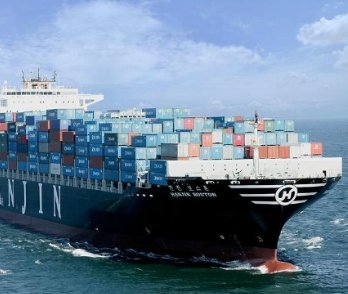
For large shipments, sea freight offers an economical and secure transport option. Our team coordinates container assignments, handles careful loading, and plans optimized shipping routes so your cargo reaches Cape Verde ports efficiently and intact.

When delivery speed is essential, our air freight services provide fast and reliable transit. Msc-Logistics-Group manages all logistics, from flight scheduling and cargo handling to documentation, ensuring your shipment arrives promptly and securely.

Our end-to-end door-to-door service takes care of every step—from pickup in China to final delivery in Cape Verde. We handle customs clearance, international shipping, and last-mile transport, giving you a hassle-free experience.

For dedicated container shipments, FCL services provide exclusive transport and precise monitoring. Our team supervises loading, transit, and delivery schedules, guaranteeing security and punctuality
For smaller consignments, LCL services consolidate cargo efficiently, minimizing costs while maintaining careful handling. Msc-Logistics-Group ensures reliable and timely delivery to Cape Verde.
Msc-Logistics-Group provides dependable and eco-friendly pickup services across China, designed to simplify cargo collection, optimize routes, and reduce both shipping costs and environmental impact.

Msc-Logistics-Group offers complimentary warehousing support, providing secure, organized, and efficient storage solutions to protect your goods throughout the logistics journey.

Msc-Logistics-Group provides comprehensive cargo insurance, giving full protection for your goods throughout the entire journey to any Amazon FBA warehouse.

Msc-Logistics-Group takes care of all documentation and administrative tasks on your behalf, ensuring a seamless and stress-free shipping experience.
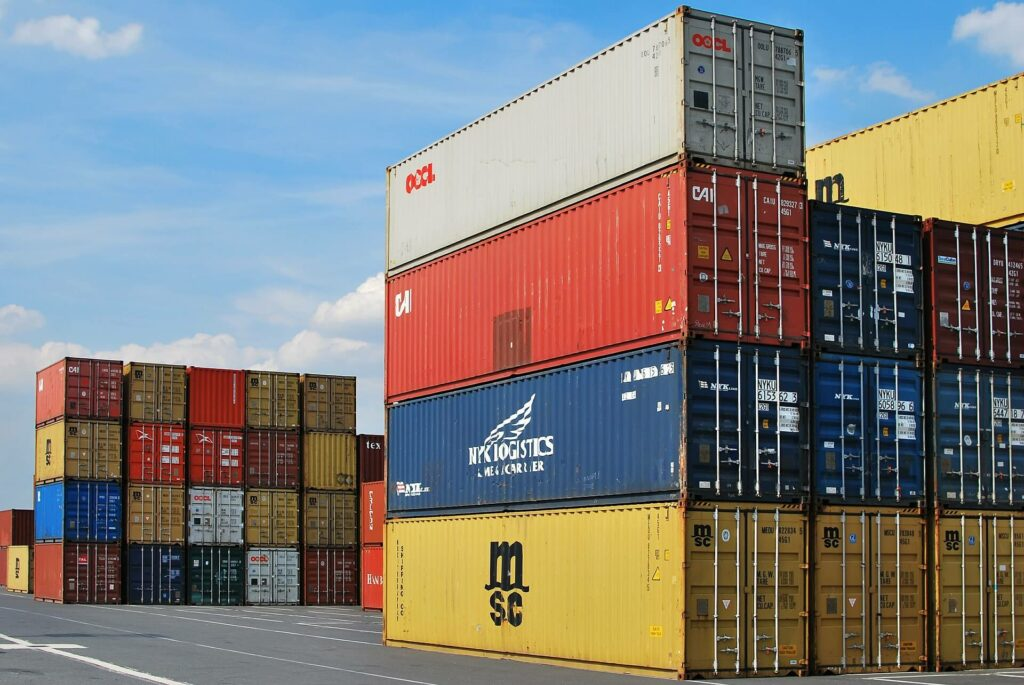
Msc-Logistics-Group ensures secure packaging and accurate loading of your cargo directly at your supplier’s facility, protecting your goods throughout the entire transit.
The most common shipping methods are sea freight and air freight. Sea freight is more economical but slower, taking about 30 to 45 days. Air freight is faster, usually between 7 to 15 days, but more expensive. Each method has its own set of advantages depending on urgency and budget.
Customs clearance can impact shipping times significantly. Delays at customs can extend delivery times due to inspections, paperwork, and possible tariff or tax issues. Properly preparing and submitting required documentation can help minimize delays.
Sea freight is generally much cheaper than air freight, making it a cost-effective choice for larger shipments or less urgent deliveries. Air freight is more expensive due to its speed and is often used for smaller, high-priority shipments.
Major global shipping carriers like DHL, FedEx, and UPS offer reliable services for air freight. For sea freight, companies like Maersk and MSC are well-regarded. Carrier choice can influence delivery speed and cost, so it's beneficial to compare services.
Required documentation typically includes a commercial invoice, packing list, bill of lading, and possibly certificates of origin or conformity. Ensuring all paperwork is accurate and complete helps avoid customs delays and potential fines.
Most shipping carriers provide tracking services. You can track your shipment using a tracking number provided by the carrier on their website or through their customer service. This allows you to monitor the progress of your shipment in real-time.
Potential delays can include customs processing, shipping route disruptions, weather conditions, or logistical issues at ports. Understanding these factors and staying informed through your carrier can help manage expectations and mitigate delays.
Cape Verde may have specific import regulations, tariffs, or restrictions depending on the type of goods being shipped. It’s important to check with local customs authorities or a customs broker to ensure compliance with import regulations and avoid unexpected costs.
Freight forwarders can streamline the shipping process by handling logistics, customs documentation, and coordination between different carriers. They offer expertise in navigating international shipping complexities and can often provide cost-effective solutions.
Yes, consolidating shipments can reduce costs by combining multiple orders into one shipment. This approach minimizes the per-unit shipping cost and is often used for bulk orders or frequent shipments. However, it requires careful planning to ensure timely delivery.
Operations deal with the way the vehicles are operated, and the procedures set for this purpose, and policies. In the transport industry, operat ions and ownership of infrastructure can be either country.