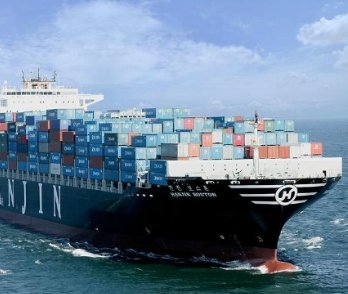
When shipping from China to Chad, it’s essential to partner with a logistics provider who ensures efficiency, security, and timely delivery. Msc-Logistics-Group offers flexible and tailored solutions for all kinds of shipments, from commercial cargo to personal items and specialized freight. We take care of every detail of the shipping process, ensuring a seamless experience that meets all your needs.
For bulk or large shipments, sea freight offers a secure and economical transport method. Our experienced team manages container selection, optimized loading, and route planning to guarantee that your cargo arrives safely and on time at Chad's nearest ports.

When speed is a priority, our air freight services ensure rapid, reliable delivery. Msc-Logistics-Group handles flight bookings, cargo coordination, and all necessary documentation, ensuring a smooth customs process and timely delivery to Chad.

Our comprehensive door-to-door service handles everything from pickup in China to final delivery in Chad. We manage customs clearance, international transit, and local delivery, making the entire process effortless for you.

FCL shipping gives you exclusive use of the container, offering maximum security and control over your shipment. Our team oversees the entire process to ensure safe and on-time delivery.
For smaller shipments, LCL services offer cost-effective solutions by consolidating cargo, reducing shipping costs while maintaining high levels of care and timely delivery.
Msc-Logistics-Group provides dependable and eco-friendly pickup services across China, designed to simplify cargo collection, optimize routes, and reduce both shipping costs and environmental impact.

Msc-Logistics-Group offers complimentary warehousing support, providing secure, organized, and efficient storage solutions to protect your goods throughout the logistics journey.

Msc-Logistics-Group provides comprehensive cargo insurance, giving full protection for your goods throughout the entire journey to any Amazon FBA warehouse.

Msc-Logistics-Group takes care of all documentation and administrative tasks on your behalf, ensuring a seamless and stress-free shipping experience.
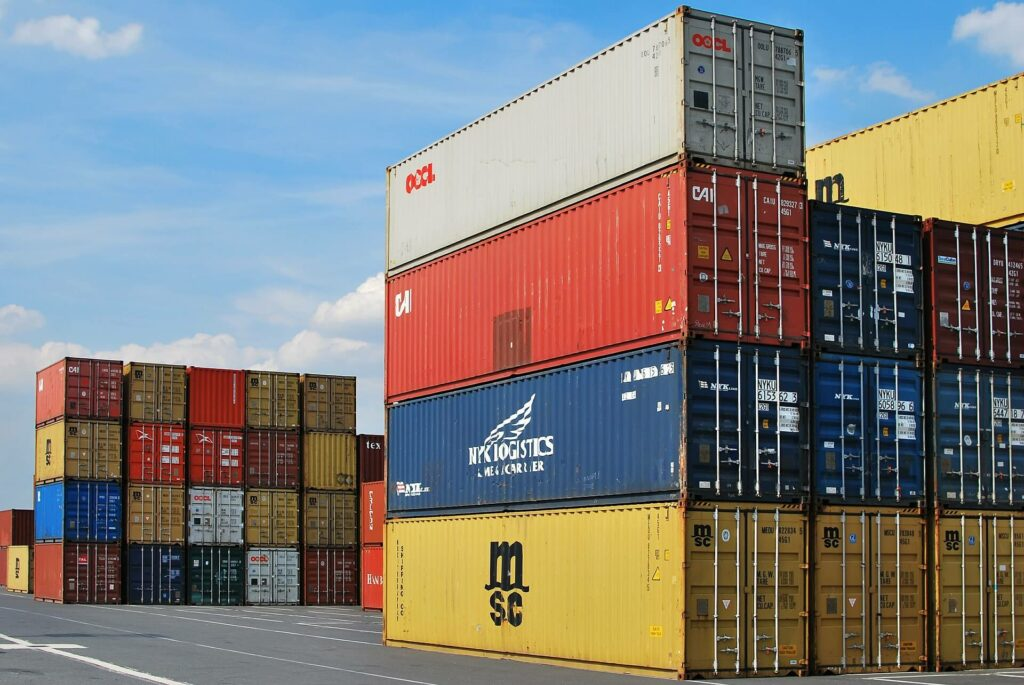
Msc-Logistics-Group ensures secure packaging and accurate loading of your cargo directly at your supplier’s facility, protecting your goods throughout the entire transit.
The average shipping time from China to Chad varies between 20 to 60 days, depending on the shipping method chosen. Sea freight generally takes longer, approximately 40 to 60 days, whereas air freight is quicker, usually around 20 to 30 days. Factors like customs clearance and transit routes can also impact delivery time.
The primary shipping methods are sea freight, air freight, and express courier services. Sea freight is economical for large shipments but slower. Air freight offers a balance between cost and speed, suitable for medium-sized shipments. Express couriers, like DHL or FedEx, provide the fastest delivery but at a higher cost, ideal for urgent or smaller packages.
Customs processing can significantly impact the total shipping time. Delays often occur due to the need for thorough inspections, document verification, and compliance with import regulations. Efficient preparation and accurate documentation can help mitigate delays, ensuring a smoother and faster customs clearance process.
Major Chinese ports like Shanghai, Shenzhen, and Ningbo handle most shipments to Chad. On the Chad side, N'Djamena International Airport is the primary entry point for air freight, while sea freight typically arrives at ports in neighboring countries like Cameroon or Nigeria, followed by land transport to Chad.
Shipping times can be extended during peak seasons and holidays due to increased demand and congestion. Chinese New Year, Golden Week, and Western holidays like Christmas see significant shipping volume spikes, potentially causing delays. Planning shipments well in advance of these periods can help avoid such delays.
Essential documents include a commercial invoice, packing list, bill of lading or air waybill, certificate of origin, and any required import permits or licenses. Accurate and complete documentation ensures compliance with customs regulations and reduces the risk of delays in transit.
Shipping costs depend on the method chosen. Sea freight is the most cost-effective for large volumes but has the longest transit time. Air freight is more expensive but offers quicker delivery, making it suitable for time-sensitive goods. Express courier services are the most expensive but provide the fastest shipping times, ideal for urgent deliveries.
Freight forwarders manage logistics and shipping arrangements, including documentation, transportation, customs clearance, and delivery coordination. They provide expertise in navigating international shipping regulations and offer services that streamline the shipping process, ensuring efficiency and reliability.
Shipping insurance protects against potential losses or damages during transit. Coverage options vary, from basic coverage included in the shipping cost to comprehensive insurance policies. It's crucial to assess the value of the goods and potential risks to choose the appropriate insurance level, ensuring financial protection in case of unforeseen events.
When shipping goods from China to Chad, you'll need to prepare several documents to comply with customs regulations and facilitate the smooth transit of your shipment. Here is a list of common documents required for international shipments:
Commercial Invoice: This document provides details about the goods being shipped, including their description, quantity, value, and other relevant information. It's essential for customs clearance and valuation purposes.
Packing List: A packing list itemizes the contents of the shipment, including details such as weight, dimensions, and packaging type for each item. This document helps customs officials verify the contents of the shipment and ensures accurate handling and processing.
Bill of Lading (B/L): The bill of lading is issued by the carrier or freight forwarder and serves as a receipt for the goods, evidence of the contract of carriage, and a document of title. It includes details about the shipment, such as the parties involved, the goods being transported, and the terms of the agreement.
Certificate of Origin: This document certifies the country of origin of the goods being shipped. It may be required to determine eligibility for preferential trade agreements, assess applicable duties and taxes, and comply with import regulations.
Customs Declaration: A customs declaration form provides detailed information about the goods being shipped and is used for customs clearance purposes. It includes essential details such as the value of the goods, their classification, and other relevant information required by customs authorities.
Import License or Permit: Certain goods may require import licenses or permits to facilitate their entry into Chad. It's essential to verify whether your products fall under any such regulations and obtain the necessary licenses or permits before shipping.
Insurance Certificate: While not always mandatory, an insurance certificate provides evidence of insurance coverage for the goods during transit. It offers protection against loss, damage, or other risks that may occur during shipping.
Other Documentation: Depending on the nature of the goods and specific regulatory requirements, additional documents such as certificates of compliance, sanitary certificates, phytosanitary certificates (for agricultural products), or other regulatory documents may be necessary.
It's crucial to consult with your freight forwarder, shipping company, or customs broker to ensure that you have all the necessary documentation for your specific shipment from China to Chad. Additionally, customs regulations and documentation requirements may change over time, so it's essential to stay updated with the latest information from relevant authorities.
Operations deal with the way the vehicles are operated, and the procedures set for this purpose, and policies. In the transport industry, operat ions and ownership of infrastructure can be either country.