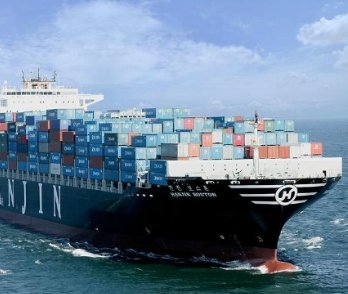
Shipping cargo from China to the Fiji Islands requires reliable planning, efficient transport solutions, and expert handling to ensure safe and timely delivery. Msc-Logistics-Group provides end-to-end logistics services tailored to your cargo type, schedule, and budget. From commercial shipments to personal goods, we focus on secure handling, regulatory compliance, and on-time delivery, making us a dependable partner for Pacific trade.
Msc-Logistics-Group offers reliable sea freight services, ideal for bulk cargo, machinery, and general goods. Our team manages container planning, secure loading, and optimized sailing schedules to ensure smooth and cost-efficient transport to Fiji.

For urgent or high-value shipments, our air freight services provide fast, secure, and reliable delivery. Msc-Logistics-Group coordinates flight schedules, priority handling, and documentation management to guarantee your cargo reaches Fiji safely and on time.

Our door-to-door shipping solutions cover every step—from pickup in China to final delivery in Fiji. Msc-Logistics-Group handles all logistics, customs clearance, and last-mile delivery, ensuring a seamless and stress-free shipping experience.
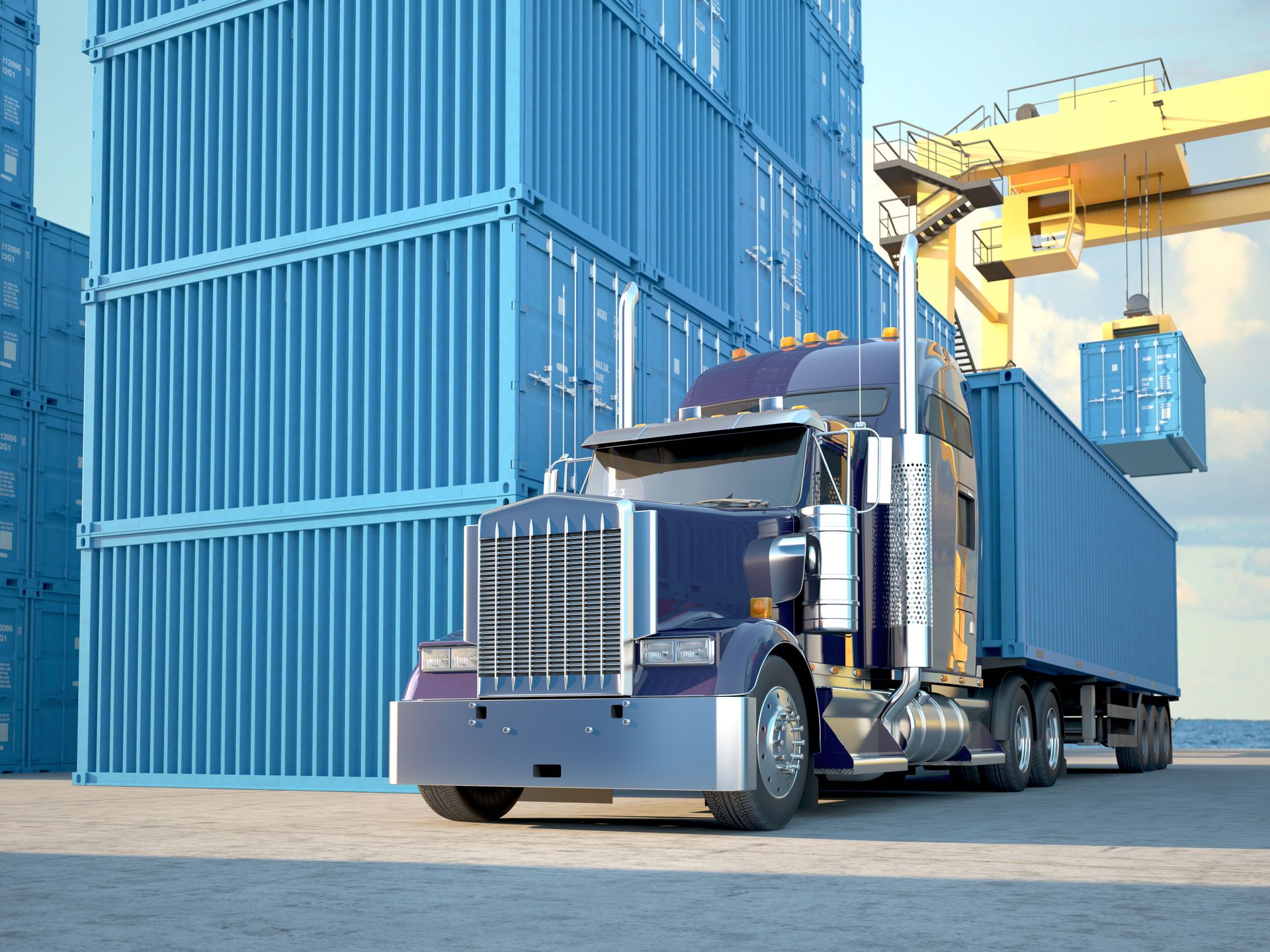
We provide Full Container Load (FCL) shipping for customers requiring dedicated container space. Msc-Logistics-Group ensures secure container loading, efficient transit coordination, and timely delivery, backed by competitive pricing and professional oversight throughout the journey.
For smaller shipments, our LCL services offer an economical and flexible solution. Msc-Logistics-Group consolidates cargo efficiently, reduces costs, and maintains careful handling to ensure timely and safe delivery to destinations across Fiji.
Msc-Logistics-Group provides dependable and eco-friendly pickup services across China, designed to simplify cargo collection, optimize routes, and reduce both shipping costs and environmental impact.

Msc-Logistics-Group offers complimentary warehousing support, providing secure, organized, and efficient storage solutions to protect your goods throughout the logistics journey.

Msc-Logistics-Group provides comprehensive cargo insurance, giving full protection for your goods throughout the entire journey to any Amazon FBA warehouse.

Msc-Logistics-Group takes care of all documentation and administrative tasks on your behalf, ensuring a seamless and stress-free shipping experience.
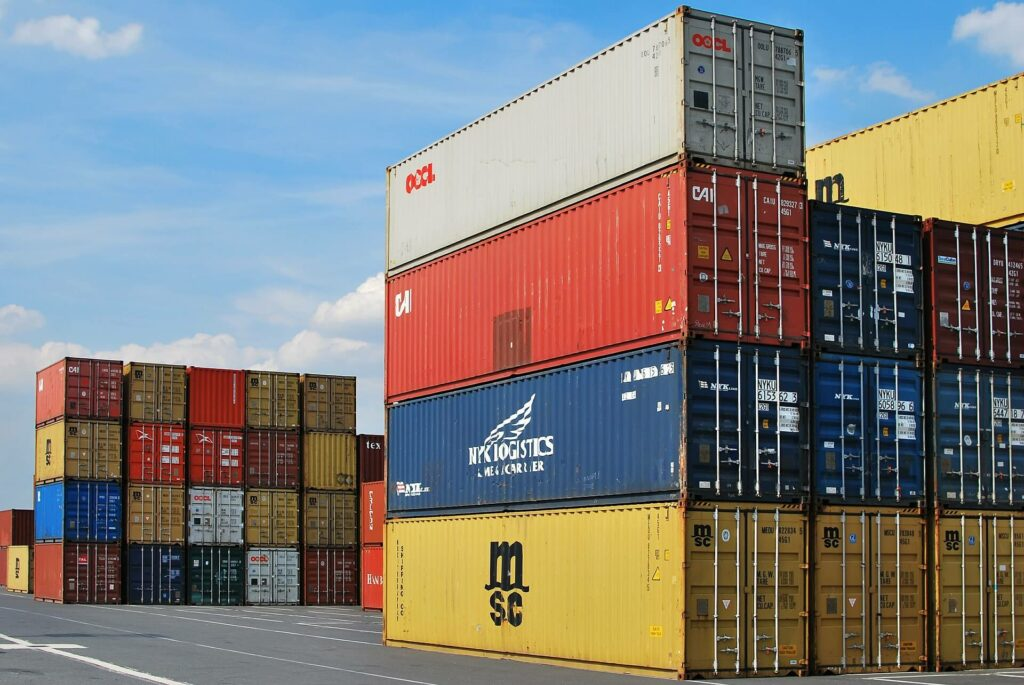
Msc-Logistics-Group ensures secure packaging and accurate loading of your cargo directly at your supplier’s facility, protecting your goods throughout the entire transit.
The shipping duration from China to Fiji Islands depends on the mode of transport (air or sea), route efficiency, and potential delays caused by port congestion or adverse weather. Sea freight is generally slower, taking 20 to 30 days, while air freight is quicker, typically 7 to 14 days. Customs processing and transit times may also impact the overall delivery schedule.
To track your shipment from China to Fiji Islands, use the tracking system provided by your freight forwarder or carrier. Most offer online platforms where you can enter your tracking number to get real-time updates. Regularly check these updates to monitor the shipment's progress and stay informed about any potential issues.
If your shipment is delayed, contact your freight forwarder or carrier immediately for information on the cause and expected resolution time. They can provide updates and may suggest actions to expedite the process. Additionally, review any documentation or requirements that might need adjustment to resolve the delay.
To reduce shipping costs, consider consolidating shipments to lower expenses and choosing cost-effective transport options like sea freight. Negotiate rates with your freight forwarder and optimize packaging to minimize weight and volume. Regularly compare quotes from different service providers to ensure you’re getting the best rate.
Essential documents for shipping include a commercial invoice, packing list, and bill of lading. Depending on the shipment, additional documents like import permits or certificates of origin may be required. Ensure all paperwork is complete and accurate to facilitate smooth customs processing and avoid delays.
Importing goods into Fiji requires compliance with local customs regulations, including accurate declaration of goods and payment of applicable duties and taxes. Necessary documents often include import permits, certificates of origin, and compliance with safety standards. Consulting a customs broker can help ensure adherence to all regulatory requirements.
To safeguard your cargo, use high-quality, appropriate packaging materials and secure items properly to prevent damage. Consider insuring your shipment against potential loss or damage. Employ tracking systems for real-time monitoring and work with experienced carriers known for their safety practices.
A freight forwarder provides several advantages, including expert management of logistics, access to competitive shipping rates, and handling of complex customs procedures. They coordinate all aspects of the shipping process, from booking to delivery, ensuring a streamlined and efficient experience.
Shipping hazardous materials from China to Fiji Islands is possible but requires strict adherence to international and local regulations. Proper labeling, packaging, and documentation are essential. Consult with your freight forwarder to ensure compliance with safety and regulatory standards for hazardous goods.
To prepare shipments effectively, ensure goods are accurately labeled and packed with durable materials suitable for the cargo type. Verify that all regulatory requirements are met and documentation is complete. Consulting with your freight forwarder and following their guidelines can help ensure a smooth shipping process and prevent issues.
Operations deal with the way the vehicles are operated, and the procedures set for this purpose, and policies. In the transport industry, operat ions and ownership of infrastructure can be either country.